Immediate Procurement Options for High-Durability Landscaping, Cultivation, and Forestry Implementations
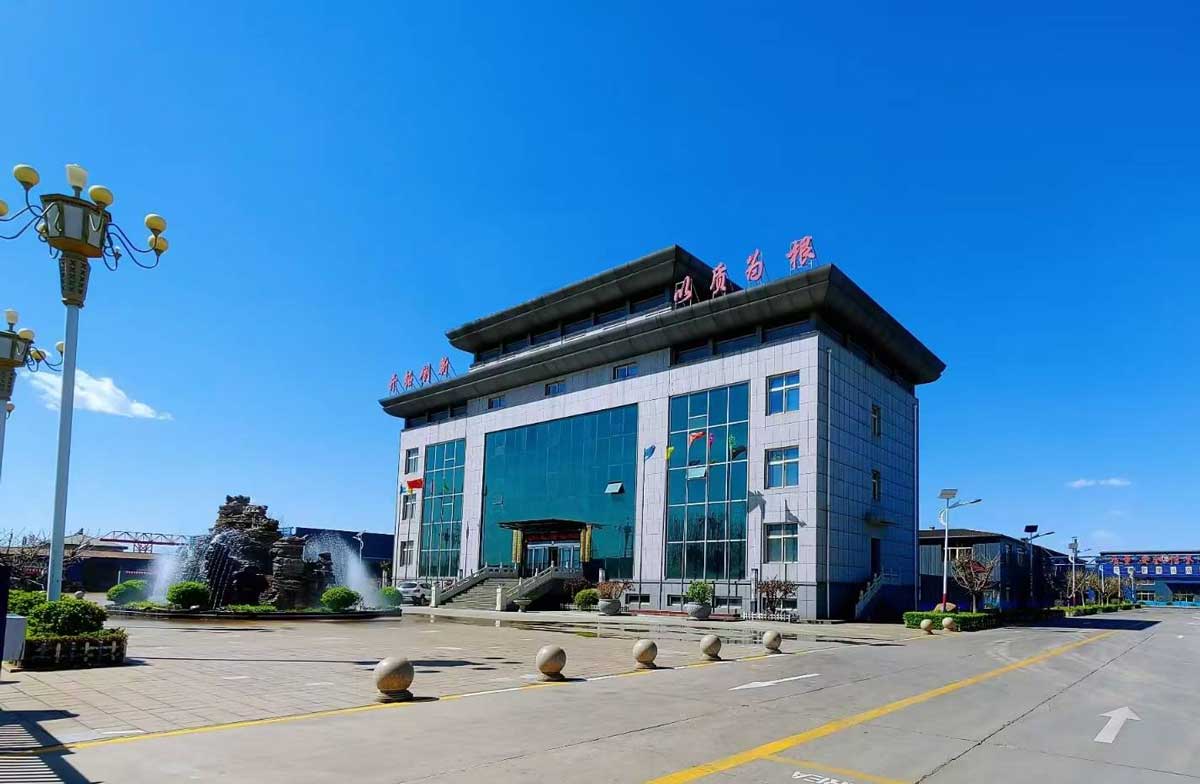
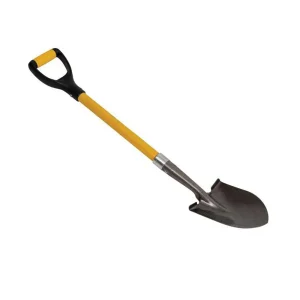
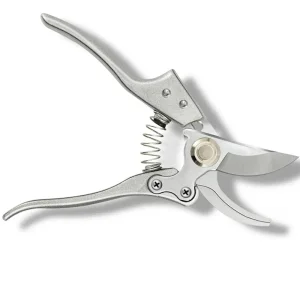
Tianjin Jinyuan International Ltd stands at the forefront of agricultural engineering, operating as a premium global manufacturer and strategic exporter of heavy-duty garden tools, precision hand implements, and advanced smart farming equipment. Our extensive production portfolio covers drop-forged steel shovels, tactical clearing axes, shock-absorbent hammers, high-efficiency lawn mowers, cordless SK5 electric pruning shears, structural chainsaws, and specialized vineyard weeding devices.
Our core mission revolves around delivering resilient, field-tested structural systems to commercial growers, foresters, and municipal procurement teams across both hemispheres. Every implement undergoes rigorous stress-testing and alloy quality verification (including tempering and hardness evaluations), guaranteeing optimized performance metrics inside harsh operating environments.
Strict carbon steel & raw material selection controls.
Custom branding, packaging, and ergonomic configurations.
New Zealand's agricultural and horticultural sector acts as a pivotal pillar of the national economy. With over 12 million hectares of agricultural land and a reputation for producing high-value food and fiber exports, the country places strict demands on the durability and reliability of commercial-grade agricultural hand tools and smart gardening equipment.
The regional challenges are highly distinct. From the heavy clay loams of the Northland region to the stone-studded alluvial soils of the Canterbury Plains and Central Otago, tools encounter extreme mechanical stress. Traditional residential garden tools routinely fail under these conditions. Local landscaping contractors, orchard managers, and viticulturalists require specialized agricultural implements constructed from high-carbon tempered steels and reinforced composites. Tianjin Jinyuan International Ltd supplies direct industrial-grade solutions engineered to resist deformation under high-torque manual operations.
The global horticultural tool supply chain is undergoing structural transitions. Key vectors include:
Our roadmap focuses on blending metallurgical durability with smart, connected field machinery. By deploying high-strength polymers alongside optimized tool steel tempering processes, we address the critical pain points of industrial land management.
Applying the correct metallurgical specification to regional soils ensures cost-effective tool lifecycles:
Engineered to Support Professional Landscape Contractors and Commercial Distributors
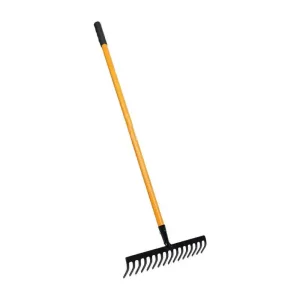
Consolidate your orders. We house full catalog options spanning manual steel spades, rakes, robotic brush cutters, and electric pruners in a single supply channel, reducing shipping overheads to Auckland, Lyttelton, and Tauranga ports.
All load-bearing tools utilize premium high-carbon manganese steels, oil-quenched for optimal hardness limits (HRC 48-52). This provides maximum structural strength under heavy prying pressures.
Access our team of technical experts and mechanical designers for OEM customizations. We match specific design criteria to align with AS/NZS workplace safety expectations.
Heavy-Duty Hardware Custom-Tailored for New Zealand Distributors, Nurseries, and Agricultural Outlets
Our structured inspection processes guarantee reliability across all agricultural tools shipped to New Zealand
At Tianjin Jinyuan International Ltd, every steel shipment undergoes visual inspection and chemical composition analysis before forging. We maintain trace records for all alloy batches to ensure uniform carbon, manganese, and silicon distributions. This rigorous approach prevents brittle failure when tools are used on rocky substrates.
Our automated tempering kilns feature precise temperature zones. Shaft attachments, handles, and tool heads undergo strict pressure testing to match or exceed international standards for manual horticultural tools. When you purchase from our wholesale catalog, your cargo arrives protected by anti-rust coatings and moisture-barrier packaging, ensuring tools are ready for immediate inventory distribution or direct field service.
Detailed Answers Regarding Customization, Importing, and Quality Standards for the New Zealand Market
Our standard manufacturing lead time is 30 to 45 days upon deposit confirmation. Shipping from Tianjin Port to major New Zealand destinations (such as Auckland, Tauranga, or Lyttelton) typically takes between 18 and 25 days, depending on route availability and seasonal demand.
Yes. The Ministry for Primary Industries (MPI) enforced within New Zealand requires all wood components to be free of bark, boring insect indicators, and fungal pathogens. We provide certified heat treatment (ISPM 15 standards) and supply fully compliant hardwood or synthetic ash handles, complete with all necessary customs documentation.
We primarily utilize high-carbon manganese steels (such as 50Mn and 65Mn) and hardened SK5 steel for cutting blades. This combination provides a surface hardness rating of HRC 48-52, which delivers excellent resilience, impact resistance, and edge retention.
Yes, we specialize in OEM/ODM production. We can print or laser-engrave corporate logos, paint tool heads in custom colors, and produce retail-ready packaging with barcodes to fit your brand identity.
Our standard MOQ is 500 units per individual product line to ensure cost-effective manufacturing runs. However, for initial market trials, we can accommodate smaller quantities when ordered as part of a mixed-container shipment.
All exposed metal components receive a protective coating, such as anti-corrosive oil, electrostatic powder coat, or rust-resistant varnish. Additionally, we use moisture-absorbent desiccant packs inside the export cartons to prevent moisture damage during transit.
 Jinyuan