Industrial hand tools engineered for structural integrity, heavy-duty deployment, and ergonomic safety.
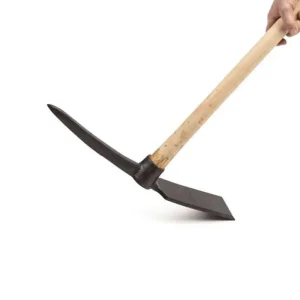
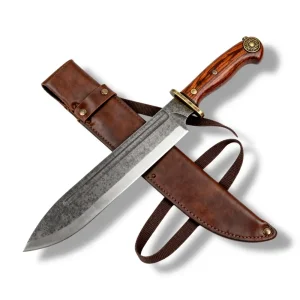
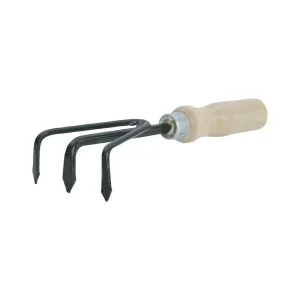
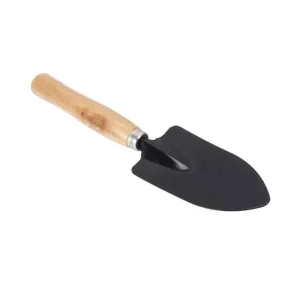
In the modern consumer landscape, the demand for high-utility, space-efficient, and multi-functional gear has transformed the outdoor survival sector. Once treated as simple mechanical tools, camping axes have undergone extensive R&D to meet the needs of tactical outdoor survivalists, overland travelers, and ecological emergency services. Key drivers behind the exponential growth of multi-functional axes include shifting demographics in wilderness exploration and a macro-industry transition toward consolidated tool architectures.
For global enterprise buyers, supply chain sourcing is no longer merely a transaction of volume. The key concerns are metallurgical consistency, batch customization capacity, and adherence to shifting international environmental and safety standards. B2B procurement heads are increasingly demanding OEM/ODM solutions that combine high carbon steel drop-forged tool heads with impact-resistant composite handles. By consolidating multiple utilities—such as hammer heads, magnesium fire starters, survival saws, and line cutters—into a single modular axe assembly, factories are helping brands achieve significant shipping cost reductions and consumer value add.

How modern OEM factories combine chemical precision with structural physics to achieve the ultimate strength-to-weight ratio.
We primarily utilize high-carbon forged steel (such as 1055, 1080, and 1095 grades) that goes through vacuum heat treatment. This process creates a martensitic micro-structure on the cutting edge, securing a hardness scale of 50-55 HRC to prevent edge deformation.
Replacing heavy standard solid steel shafts, modern camping axes leverage reinforced glass-filled nylon composites. This structure provides a shock absorption coefficient 3x higher than natural hickory wood, greatly lowering physical strain.
To resist salt-fog corrosive degradation in marine or humid forest microclimates, our heads undergo electrophoretic painting, Teflon sealing, or chemical black oxidation, creating a highly resilient molecular barrier.
| Material Class | Tensile Strength (MPa) | Hardness Range (HRC) | Impact Resistance (J) | Optimal Application Scenarios |
|---|---|---|---|---|
| High Carbon Steel (1055/1095) | 850 - 1050 | 52 - 56 | ≥ 28 | Heavy splitting, tactical cutting edges, chopping tools |
| SK5 Tool Steel | 900 - 1100 | 55 - 58 | ≥ 24 | Integrated survival saws, precision cutting inserts |
| Glass-Filled Nylon (PA66-GF30) | 160 - 200 | N/A (Durometer 85D) | ≥ 65 kJ/m² | Structural handles, insulation, survival gear storage |
| Thermo-Plastic Rubber (TPR) | 15 - 25 | Shor A 65 - 75 | N/A | Secondary slip-resistant handle grips and dampeners |
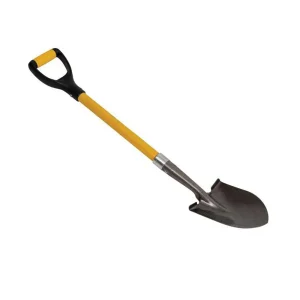
As a prominent leader in the global tool manufacturing landscape, Tianjin Jinyuan International Ltd stands as a premier manufacturer and supplier of top-tier garden tools, hand tools, and smart agricultural equipment. With a product portfolio ranging from precision-machined steel shovels, axes, and claw hammers to modern lawn mowers, cordless electric pruning shears, and portable chainsaws, we cater to the full spectrum of forestry, landscaping, and farming requirements.
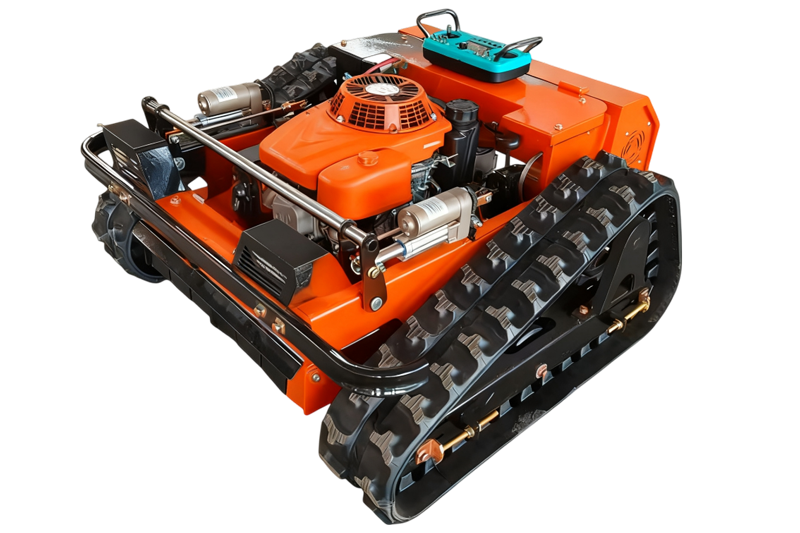
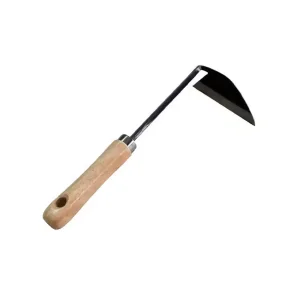
Operating with a mission to equip agricultural practitioners and camping enthusiasts alike, we emphasize durability, efficiency, and safety. Every piece of equipment, from a simple manual weeding hoe to an autonomous crawler lawn mower, is built to withstand hostile operational environments. Our state-of-the-art testing facility checks structural loading, drop stability, cutting retention, and thermal resistance before any shipment departs. In doing so, we ensure that global retailers, commercial landscaping groups, and hardware brands receive products that elevate their market reputation and consumer trust.
Understanding that global B2B procurement requires extensive customization, Tianjin Jinyuan offers a structured OEM/ODM framework. Our design studio works directly with client engineers to calibrate custom head weights, introduce specialized branding, design display boxes, and optimize shipping volume configurations.
Ensuring compliance across diverse jurisdictions and minimizing shipping risk through rigorous quality control.
Importing hand tools and outdoor survival axes involves navigating strict safety regulations in target markets. In Europe, compliance with the GS (Geprüfte Sicherheit) standards and REACH regulations for chemical toxins in rubber handles is mandatory. In the United States, ANSI (American National Standards Institute) regulations govern the impact-testing tolerances for hand-held chopping tools.
Tianjin Jinyuan International Ltd handles quality assurance through a systematic five-stage protocol:

ANSI & GS Compliance
Monthly Factory Capacity
Exporting Nations
Defect Tolerance Rate
Tailoring tool parameters to match localized microclimates and specific cultural preferences.
Targeted toward dense coniferous forests, tools for this region emphasize heavy wedge designs, high-carbon steel splitting axes, and survival additions like integrated fire starters (ferrocerium rods) and heavy-duty hammering surfaces.
Highly focused on strict weight limits, dynamic swing balance, and certified FSC wood or fully recyclable PA66 composite handles. Surface treatment must withstand persistent moisture without environmental runoff.
Optimized for humid equatorial climates, these models require high-corrosion-resistant coatings and hybrid blade geometries. Tool configurations often combine a weeding hoe, cutting edge, and a coconut-splitting tool.
How automation, IoT, and eco-materials are reshaping the landscape of physical and smart tools.
Integrating bio-based plastics and recycled carbon fibers into tool shafts to reduce carbon footprint while boosting tensile strength limits.
Implementing smart CNC laser tempering to selectively heat localized zones of tool heads. This creates hard cutting edges with highly ductile cores to absorb heavy impacts.
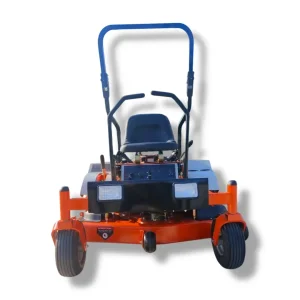
Developing autonomous tool fleets, such as zero-turn electric robotic lawn mowers, solar chargers, and intelligent agricultural spraying platforms, controlled by central GIS systems.
Addressing primary engineering, logistics, and supply chain concerns of global commercial buyers.
Engineered for commercial contractors, municipal landscaping, and heavy-duty field use.
Contact our B2B procurement and engineering team today to receive metallurgical test reports, custom prototype designs, and detailed bulk order quotes.
Inquire Now Jinyuan