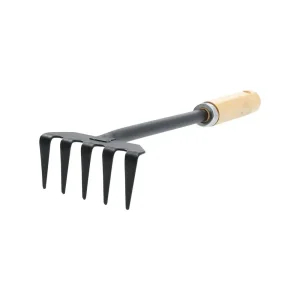
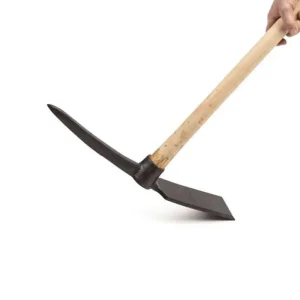
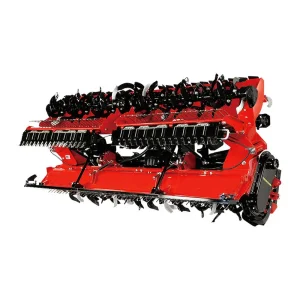
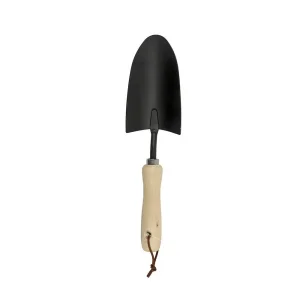
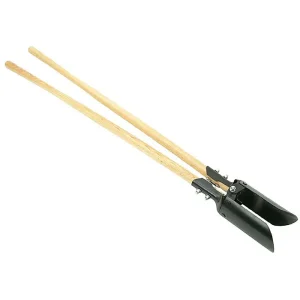
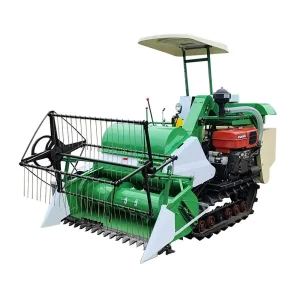
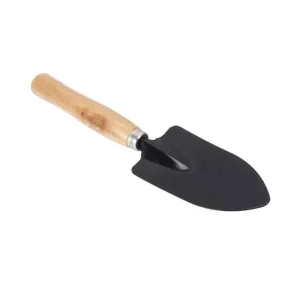
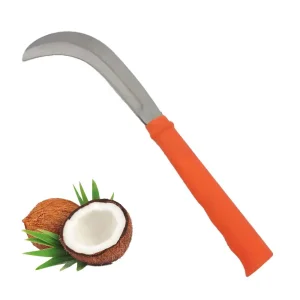
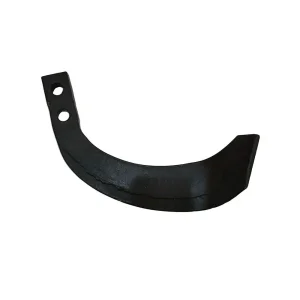
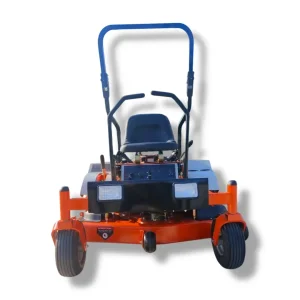
Explore our premium product line, designed to meet rigorous farming and weeding specifications. Direct factory sourcing for commercial B2B procurement.
Modern commercial agriculture, municipal landscaping, and large-scale horticultural operations demand precision soil preparation tools that maximize efficiency while minimizing manual fatigue. The global handheld cultivator market has transitioned from simple hobbyist weeding implements to high-tensile, ergonomically optimized machinery subcomponents. When enterprise-level buyers select an OEM manufacturing partner, their criteria extend beyond mere unit costs. The search for a reliable cultivator involves evaluating material fatigue testing, corrosion resistance under variable geographic humidity, and consistent metallurgical sourcing.
In regions such as North America and the European Union, regulatory requirements like the GS Certification, CE Mark, and strict REACH compliance direct procurement protocols. Distributors need an OEM partner capable of managing large-scale stamping and heat treatment processes. Our tools at Tianjin Jinyuan International Ltd are engineered to meet these regulatory standards, utilizing verified steel sourcing and eco-friendly manufacturing technologies to guarantee that each shipment adheres strictly to target market import guidelines.
A deep look into the structural engineering and manufacturing processes behind commercial agricultural hand tools.
Cultivator tines are subjected to constant cyclic loading and impact stresses when encountering compressed soils, root systems, and stones. To address these stresses, our manufacturing process utilizes premium grades of High-Carbon Steel (such as SAE 1045 to 1065) and Austenitic Stainless Steel. High-carbon steel variants undergo controlled induction hardening to reach a hardness matrix of 45 to 52 HRC (Rockwell Hardness Scale). This thermal treatment profile delivers optimal elasticity to prevent bending under high stress, combined with the structural hardness required to resist wear from abrasive soils.
In addition to raw alloy selection, our anti-corrosion processes include Electrostatic Powder Coating and Electrophoretic Deposition (EPD). EPD provides a uniform coat over complex geometries, including inside the weld seams of multi-tine cultivators. This finish provides resistance against salt spray testing for over 240 hours, ensuring the tools remain rust-free throughout retail display cycles and long-term field use.
Furthermore, handle engineering is vital to tool durability. We source high-grade, straight-grain Ashwood (Fraxinus excelsior) certified by the FSC, as well as lightweight carbon-fiber composite shafts. Ashwood is selected for its natural vibration dampening, reducing mechanical strain on users during extended work periods. Fiberglass shafts are engineered with UV-stabilized resins to prevent environmental degradation when exposed to direct sunlight in commercial settings.
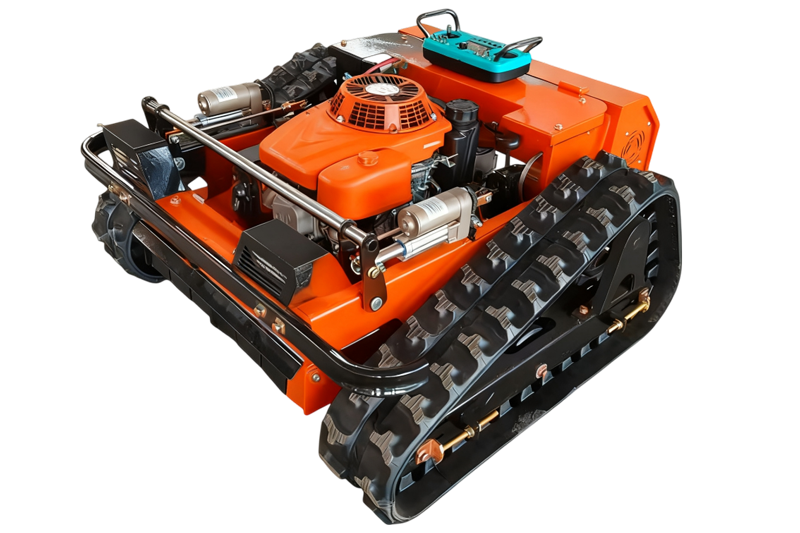
Our ongoing development focus for agricultural hand tools and smart gardening solutions.
Your reliable global supplier of commercial agricultural equipment and professional hand tools.
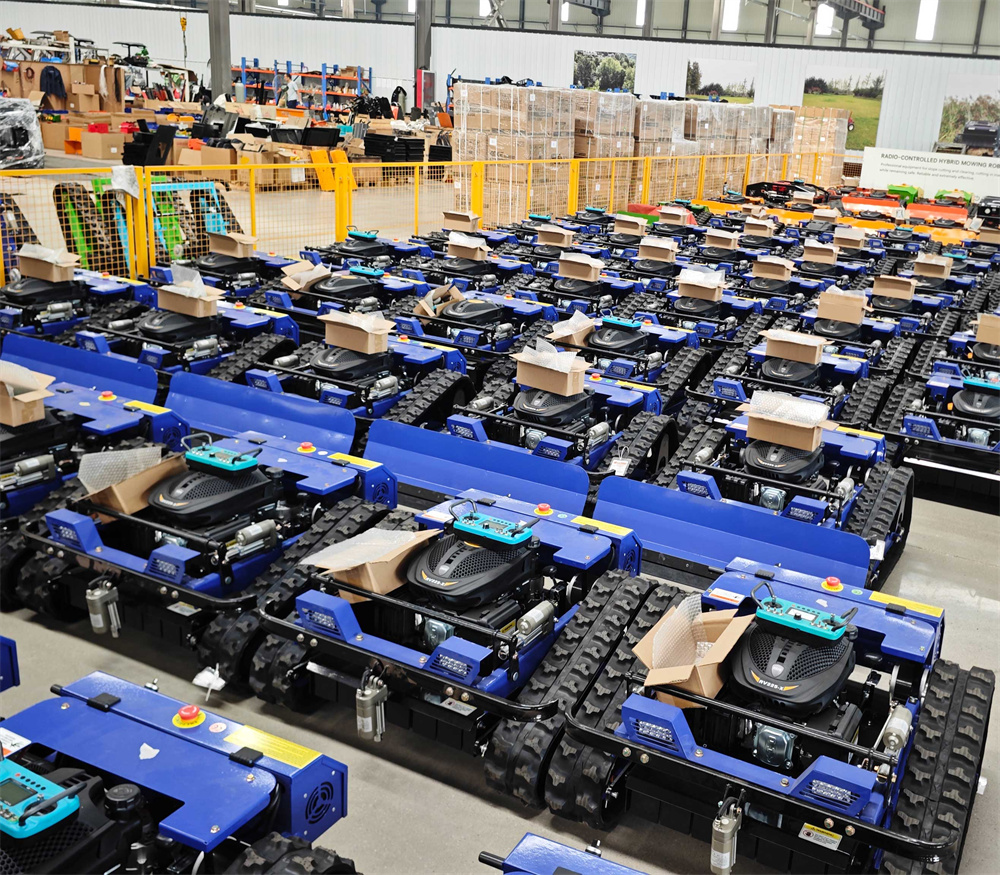
Tianjin Jinyuan International Ltd specializes in supplying garden tools, hand tools, and smart horticultural equipment to global markets. Our diverse catalog includes steel shovels, axes, hammers, lawn mowers, electric pruning shears, chainsaws, and customized cultivation tools. Our core focus is delivering durable agricultural implements that support agricultural professionals, retail chains, and municipal procurement departments worldwide.
Each tool undergoes testing to ensure reliable performance under varied fieldwork environments. By leveraging precise heat treatment, stamping, and assembly lines, we support B2B clients with product customization, custom branding, and optimized bulk packaging. We partner with international distributors to streamline procurement, ensure timely supply chains, and maintain consistent quality across all production runs.
Providing high-volume capabilities and reliable logistics to streamline international procurement.
Our agricultural and horticultural tools undergo load testing and metallurgy audits. This structural integrity verification ensures dependable field performance for retail end-users.
We supply a broad range of agricultural hand tools, specialized implements, and smart equipment. This consolidated catalog simplifies regional logistics and inventory replenishment for global importers.
Our logistics and service teams manage custom packaging, container optimization, and regulatory compliance. We work to keep international shipments reliable and worry-free.
A view into our high-volume production areas, material handling, and quality inspection workflows.
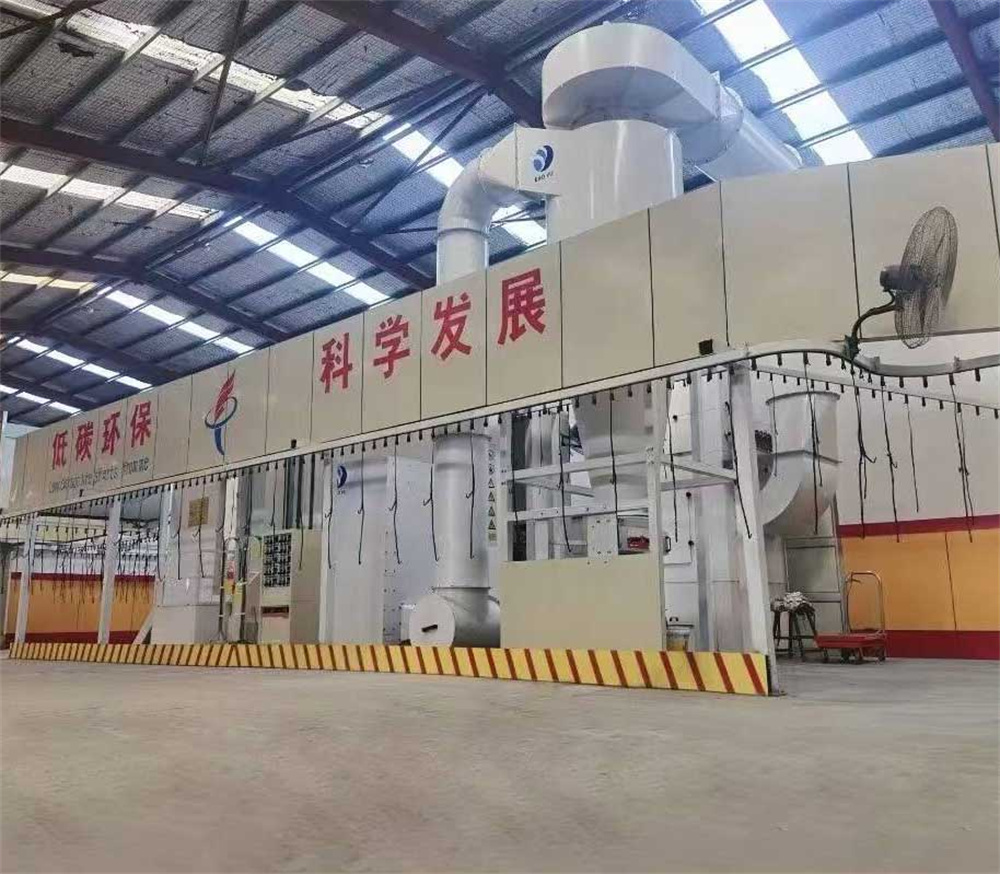
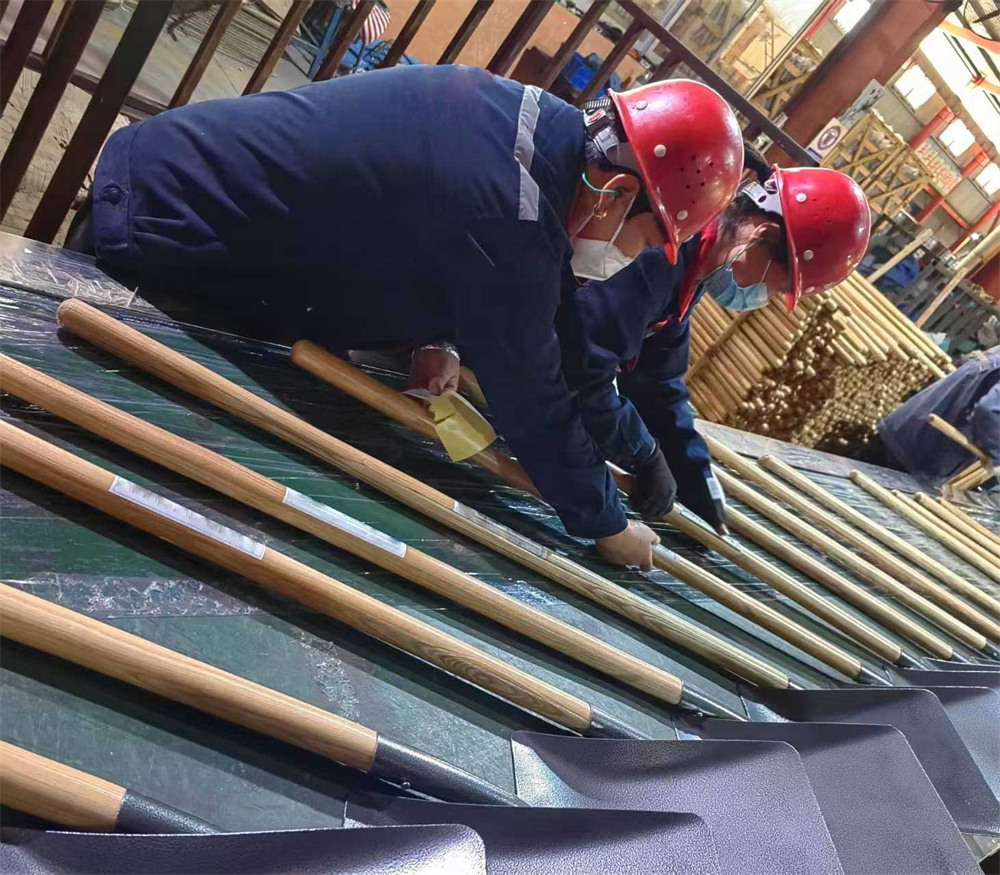
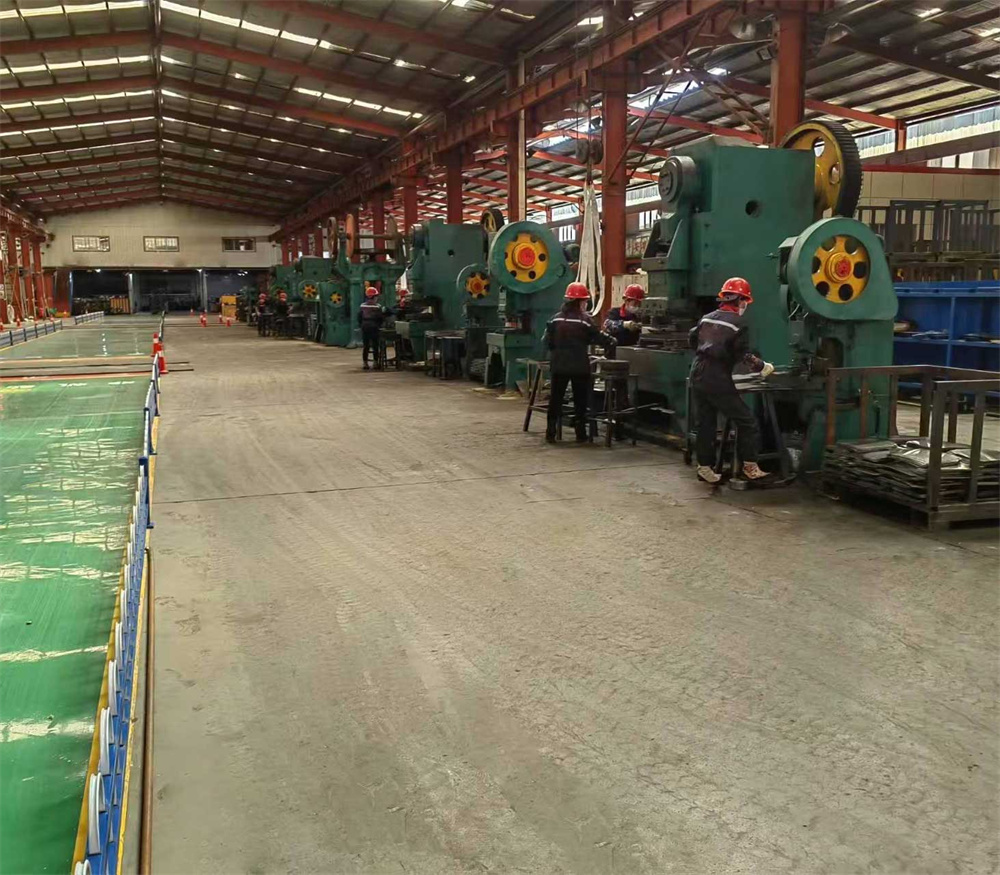
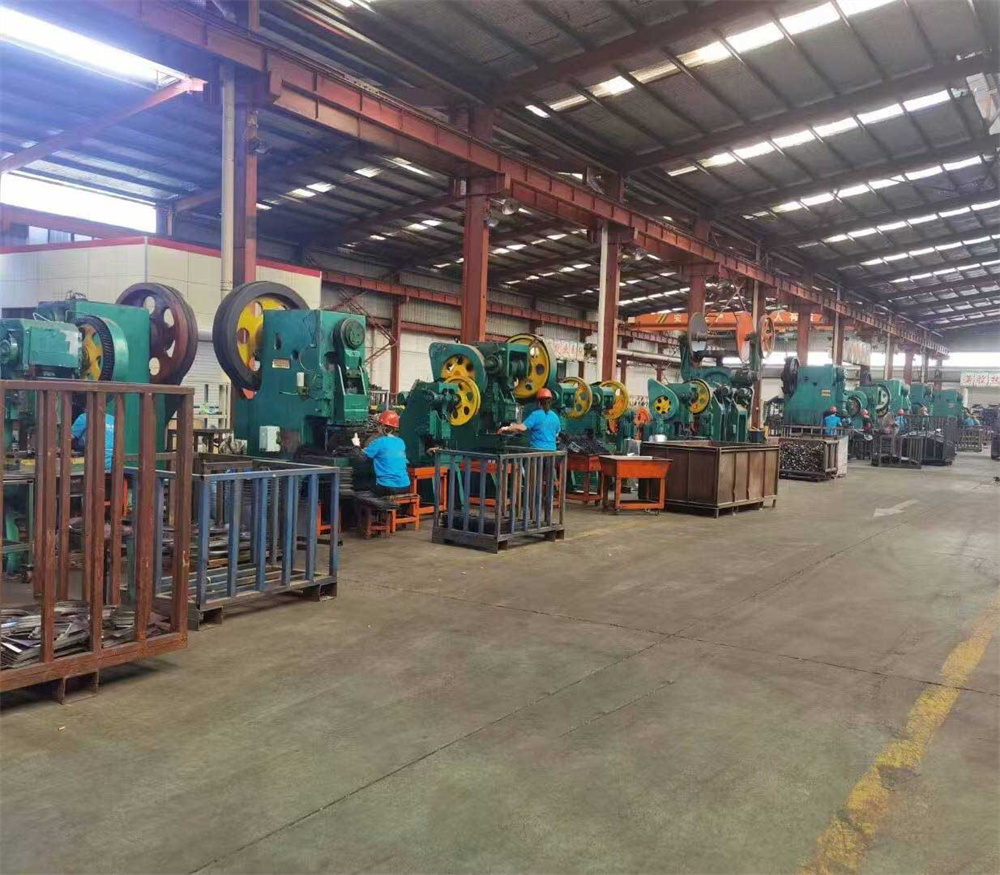
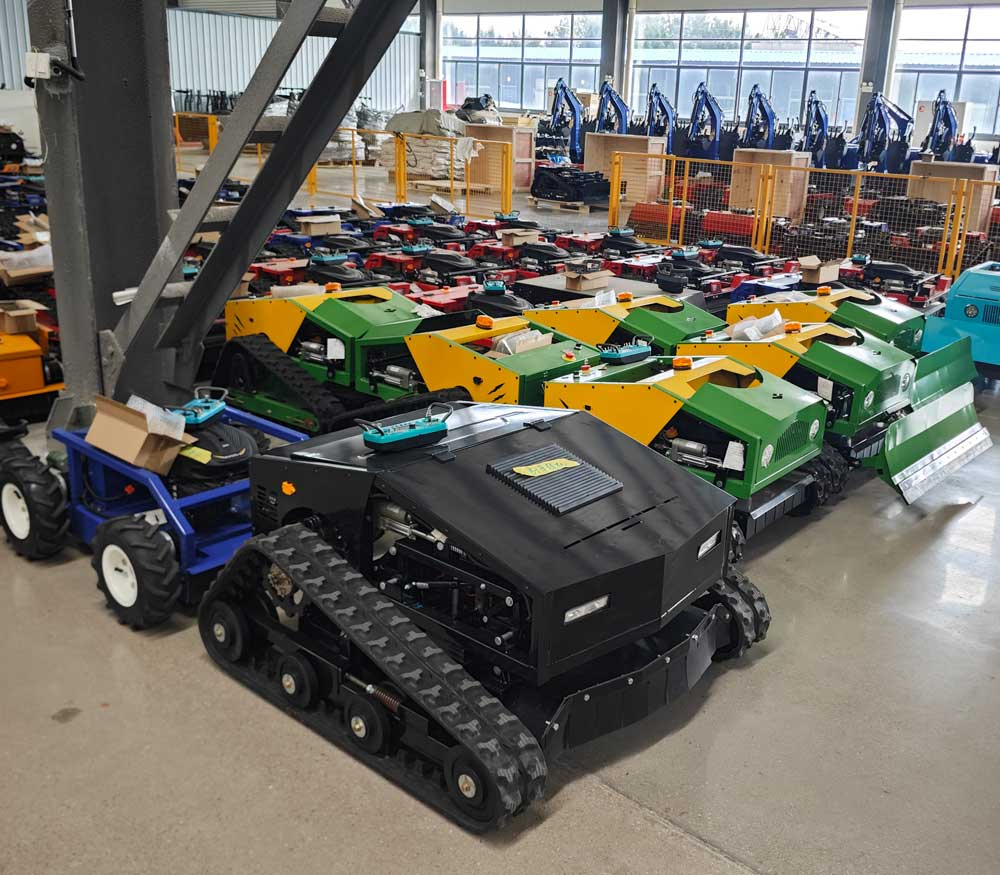
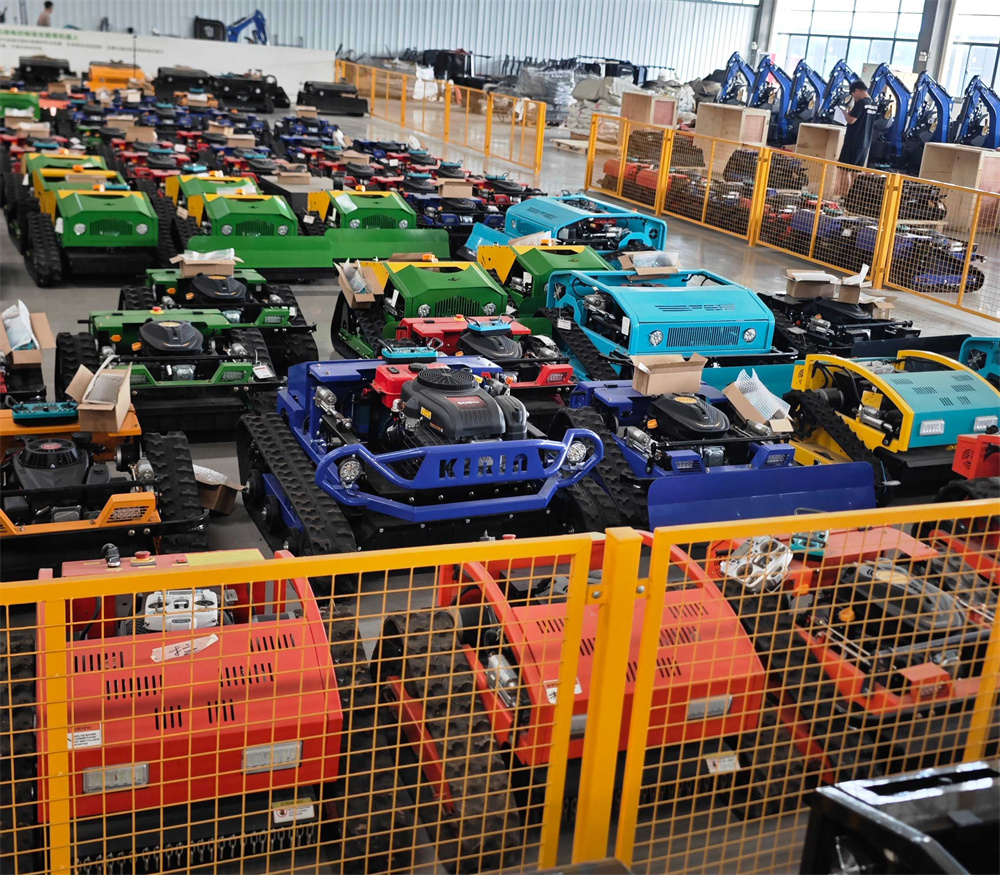
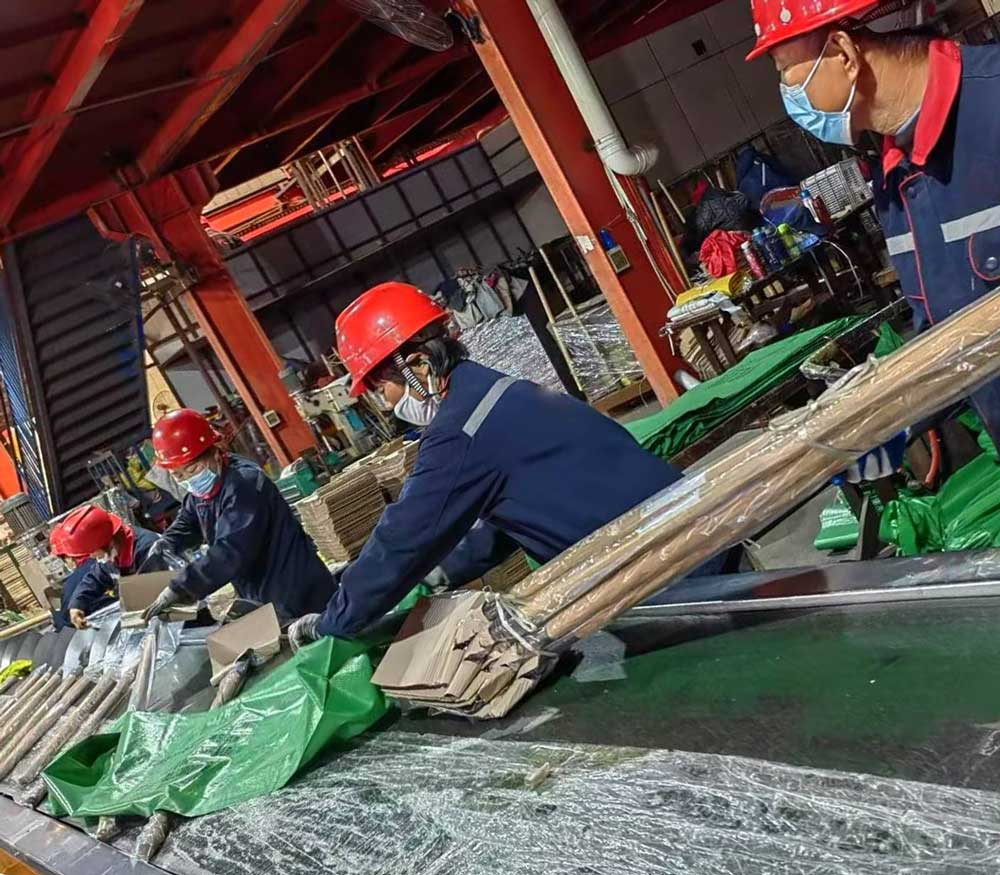
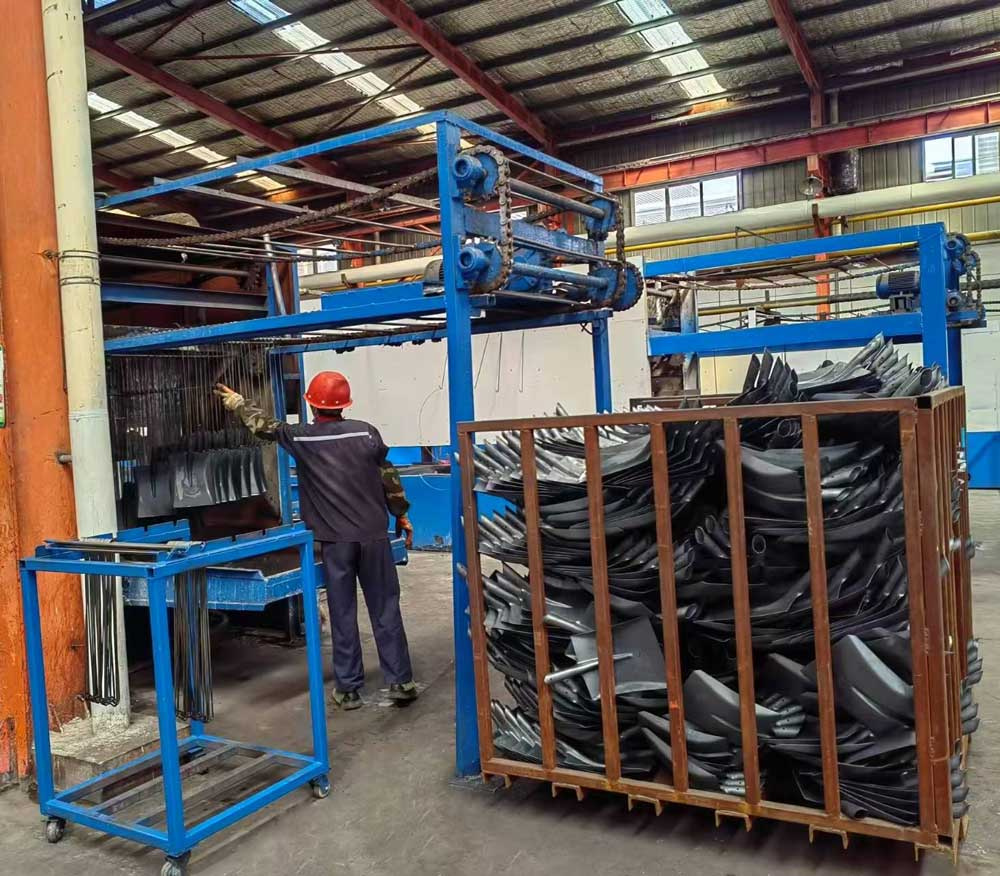
Managing order staging and packaging for container export to ensure clean transits.
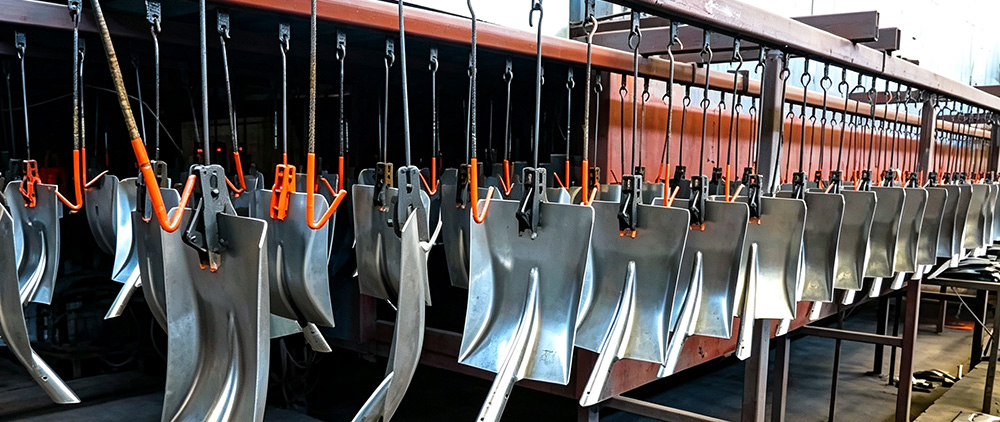
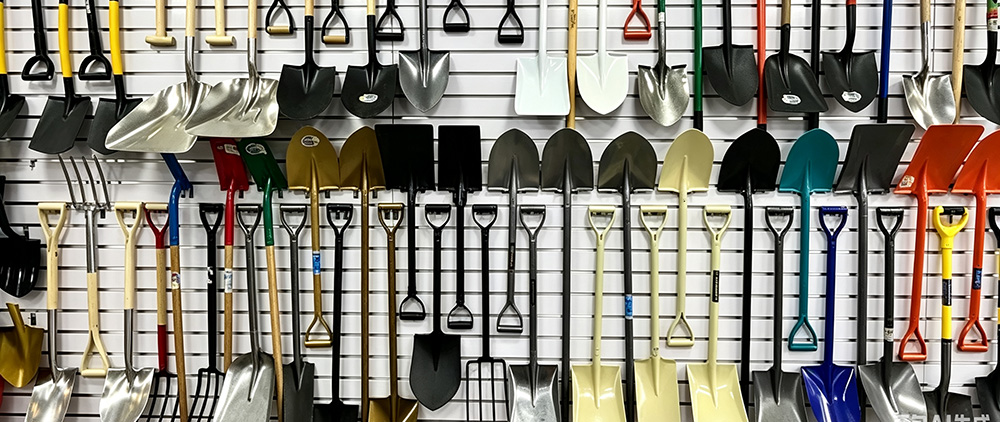
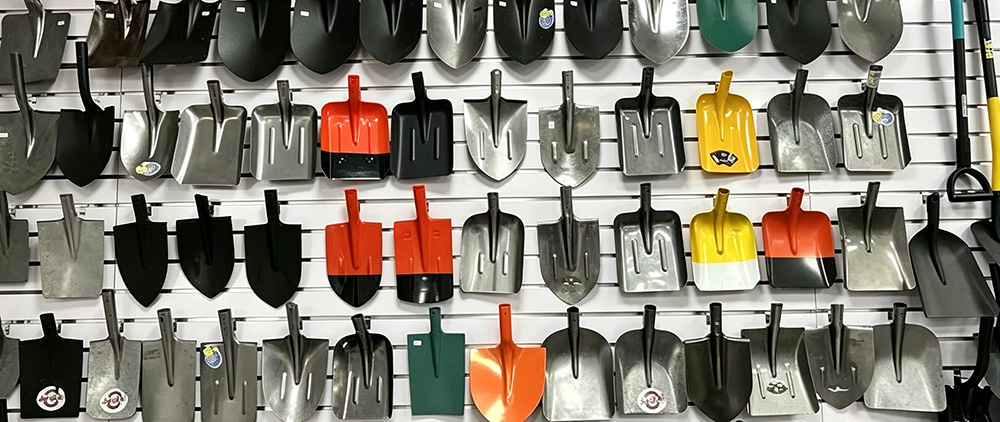
We provide supply chain systems designed to meet the requirements of retail chains, importers, and agricultural distributors.
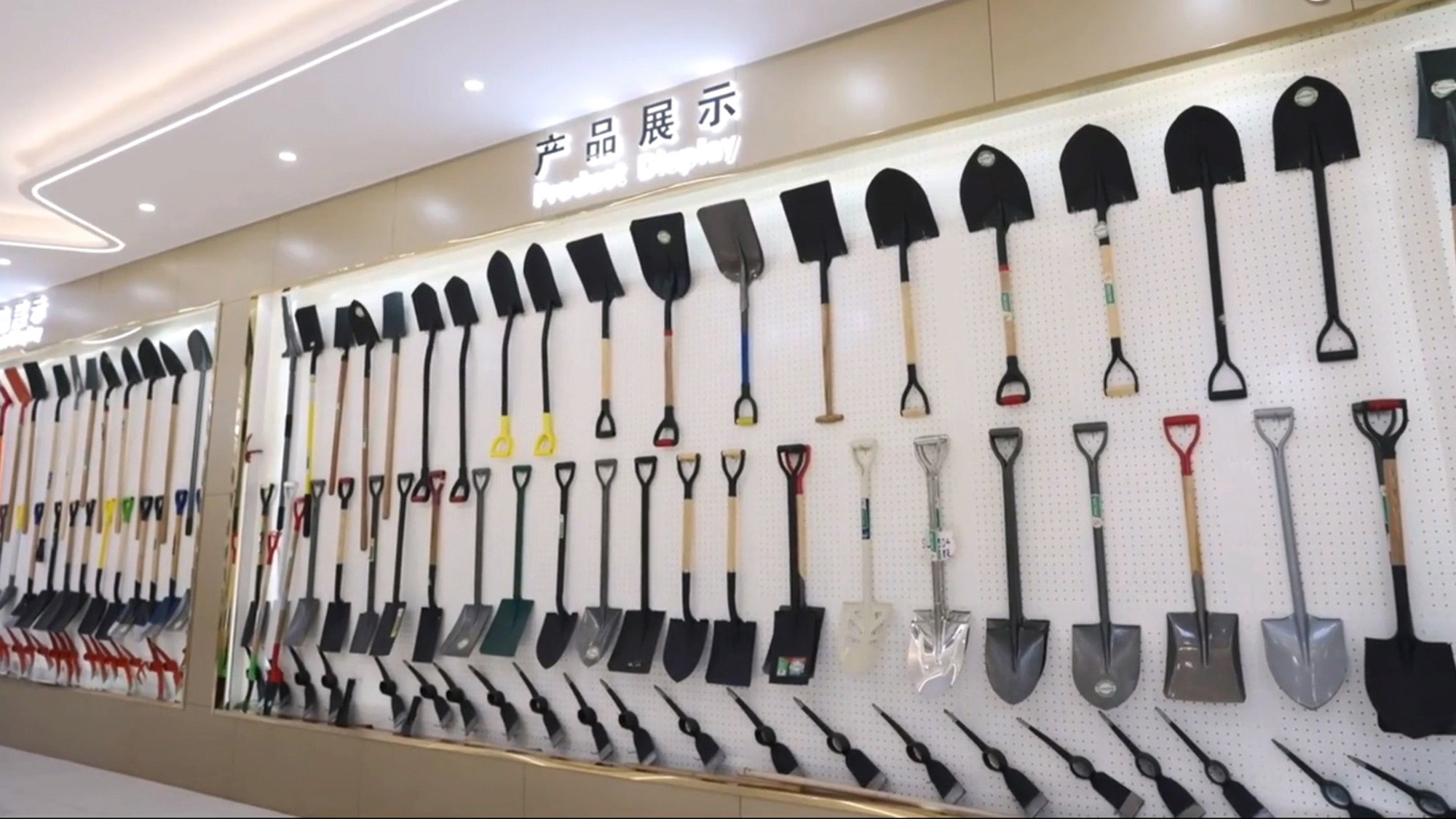
Managing multiple tool manufacturers can introduce logistical challenges and quality variations. We address this by offering a consolidated catalog of hand tools, smart machinery, and wear parts. This one-stop approach helps simplify purchase orders and lower import overheads for B2B distributors.
Our technical team provides design, prototyping, and customized packaging services. By optimizing container layouts, we help minimize ocean freight costs per unit, improving supply chain efficiency for global buyers.
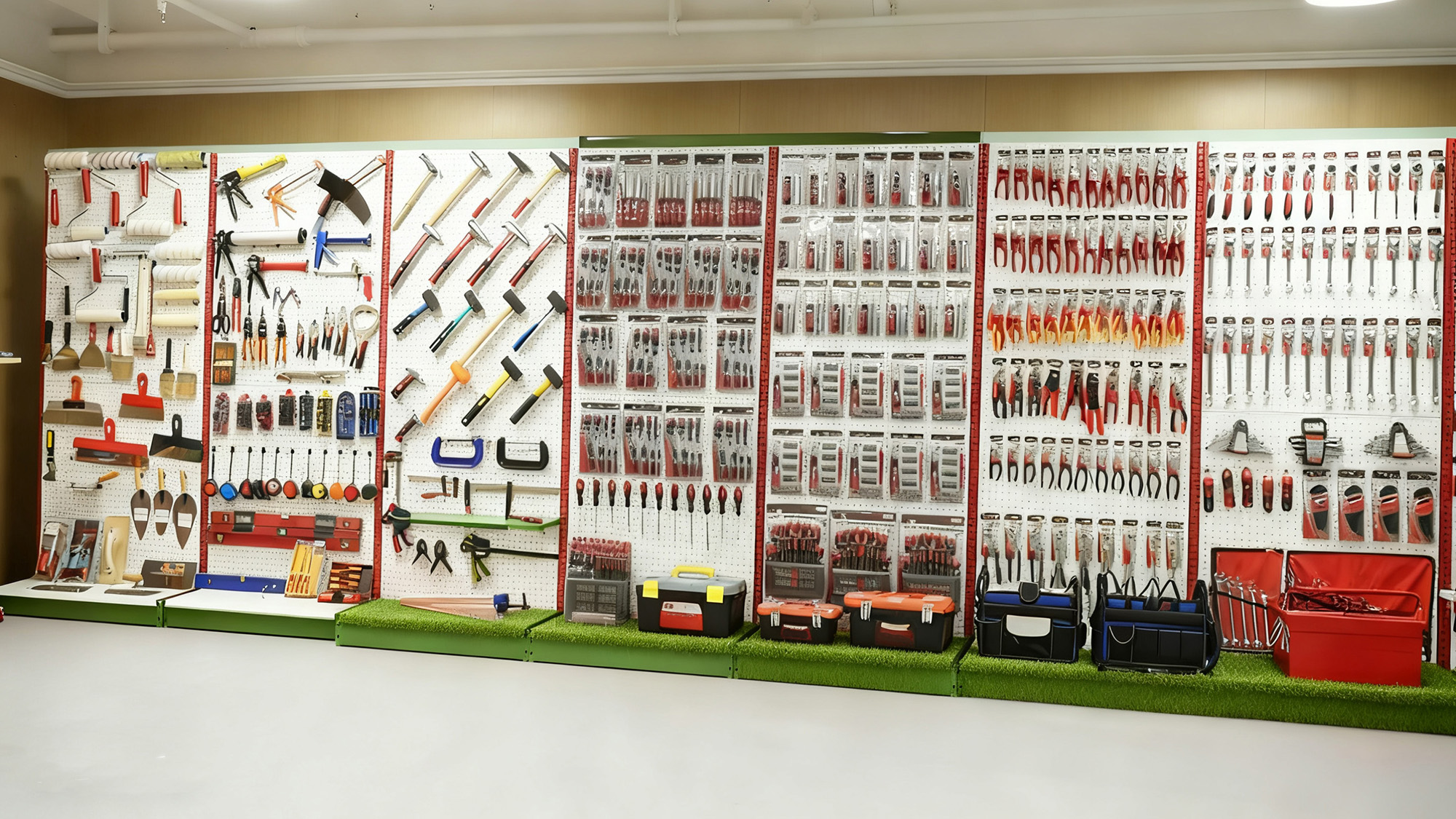
Our tools are engineered to handle demanding ground conditions. We use high-carbon steel drop-forging and induction hardening to produce products that withstand regular soil resistance and leverage stresses.
We manage consistent quality levels through systematic production testing, including load-bearing tests and fatigue evaluations. This structural reliability helps reduce returns and supports positive customer feedback for our retail partners.
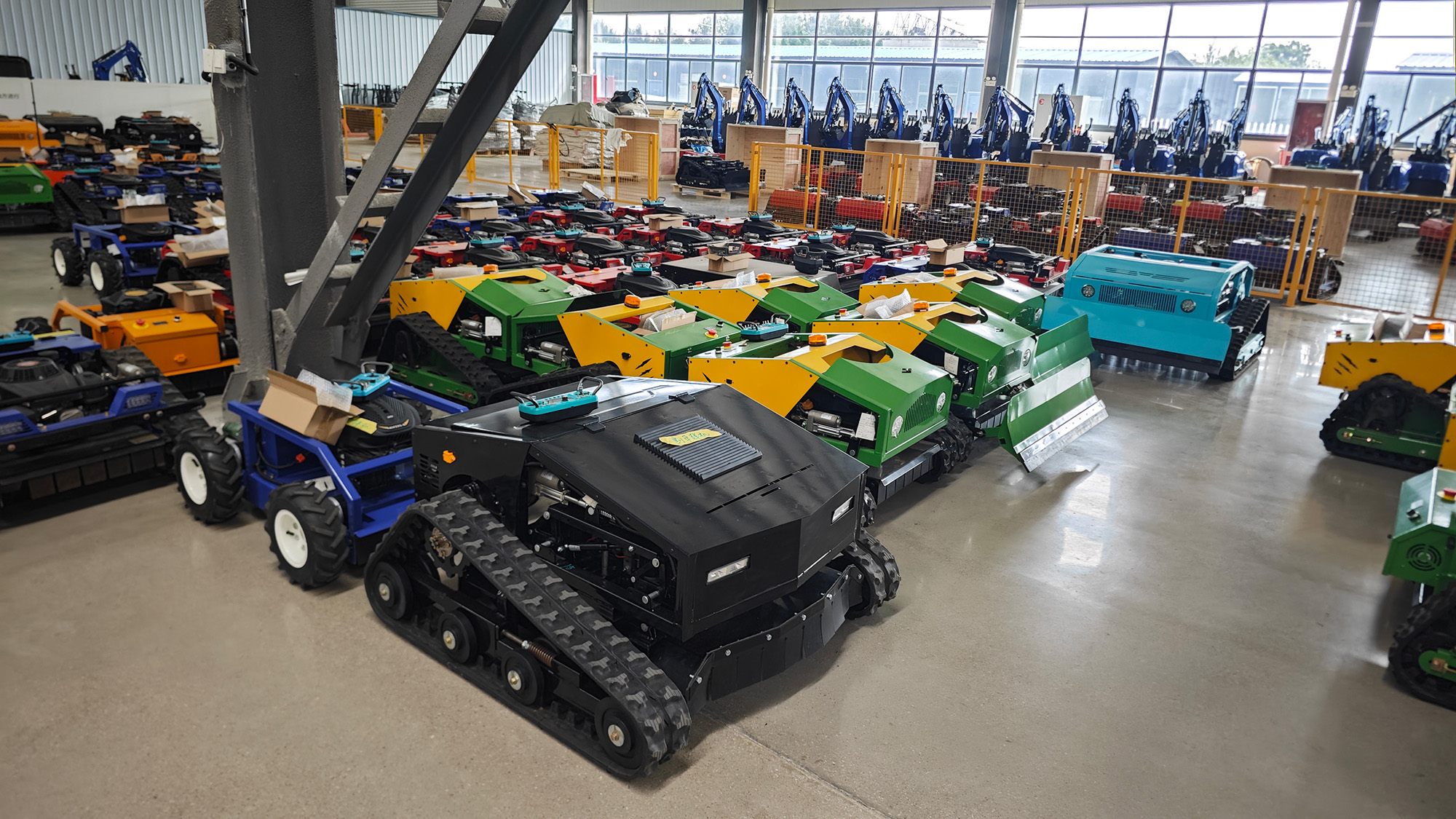
Different agricultural soils require specific cultivator and rake geometries. Hard clay soils benefit from narrow, sharp tines, while sandy loam is better served by wider, flat tines for soil mixing.
We support B2B clients with custom OEM design options. Our engineers can develop tailored tine designs, custom handles, and unique color schemes to match your brand specifications and local crop needs.
Explore our complete catalog of professional weeding, tilling, and planting implements designed for long-term field use.
Detailed information regarding minimum order quantities, metallurgical processes, customizing services, and global delivery logistics.
 Jinyuan