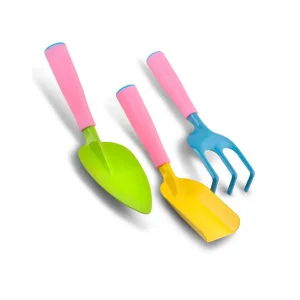
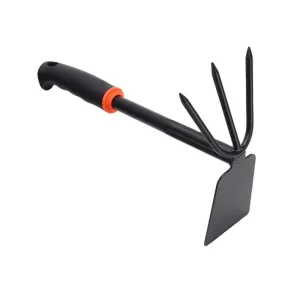
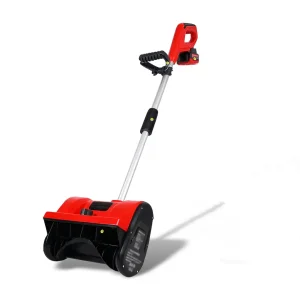
OEM Hand Trowel Farm Tools Factories & Factory

Premium Sourcing Guide & Technical Whitepaper for Global Hardware Distributors, Agriculture Cooperatives, and Professional Brands

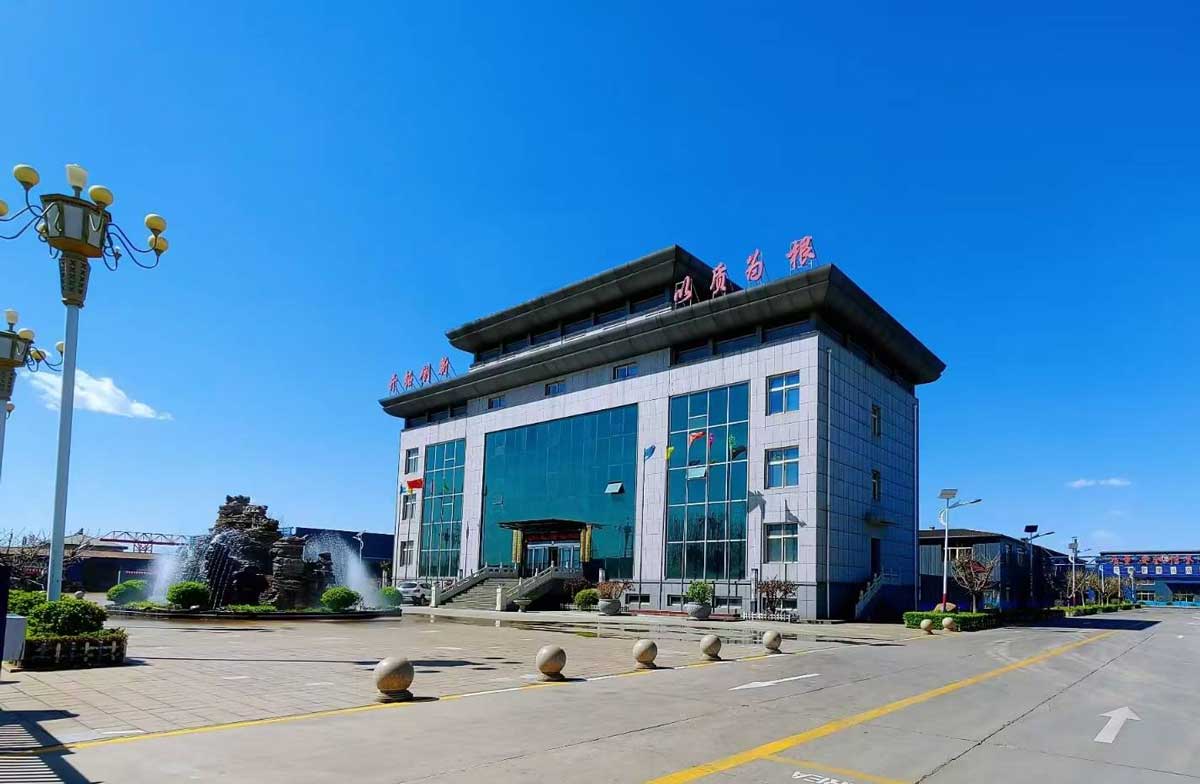
Tianjin Jinyuan International Ltd Manufacturing Facility

Company Profile & Manufacturing Power

Tianjin Jinyuan International Ltd is your premier global partner and reliable supplier of garden tools, hand tools, and smart garden and farming equipment. We specialize in providing high-quality steel shovels, axes, hammers, lawn mowers, electric pruning shears, chainsaws, and a wide range of other agricultural tools. Our core mission is to deliver optimized, resilient products and services to every agricultural enterprise, commercial distributor, and farming enthusiast, ensuring that you have the right tools to succeed in your endeavors.

Our products are globally renowned for their exceptional durability, precision, and efficiency. Each hand tool and machine undergoes rigorous quality testing to ensure that it performs excellently in various harsh environmental conditions, whether you are tilling, planting, harvesting, or maintaining commercial landscapes. With our industrial-grade tools in hand, users can tackle any task with ease, significantly enhancing agricultural productivity while supporting sustainable development in the field.

Global OEM Hand Trowel & Farm Tools Industrial Blueprint

In the modern landscape of smart agriculture and intensive gardening, the demand for high-strength, ergonomically designed hand trowels and hand-held farming tools has scaled dramatically. Commercial importers, large hardware retail chains, and agricultural cooperatives face a pressing issue: sourcing products that balance raw durability with cost-effective bulk manufacturing. Finding the right OEM hand trowel farm tools factories requires a deep understanding of metallurgy, production engineering, supply chain logistics, and compliance frameworks.

Information Gain Insight: The difference between a consumer-grade trowel and an industrial-grade farm trowel lies primarily in the heat treatment process of the blade. Most generic manufacturers use low-carbon Q235 steel without heat treating, resulting in a blade that bends at a force of less than 35 kg. Premium OEM factories utilize high-carbon steel (50Mn or C1055) and rigorous tempering cycles, achieving a minimum bending strength threshold of 75 kg and a surface hardness ranging from 42 to 48 HRC.

1. Technical Anatomy of High-Performance OEM Hand Trowels

A hand trowel may appear simple, but its structural geometry determines its longevity and user efficiency. High-quality manufacturing involves several crucial design details:

  • Blade Geometry: An optimized blade has a variable thickness design—thicker near the tang (stem) to absorb torque during prying, and tapering down to a sharp leading edge for clean soil penetration.
  • Tang Design (Over-mold vs. Welded vs. Solid Forged): Solid-forged models, where the blade and the tang are one single piece of steel, offer the highest reliability. For cost-effective OEM production, automated robotic welding of the tang is preferred over manual spot welding to eliminate micro-fractures in the weld seam.
  • Ergonomics and Material Interfaces: Modern handles utilize dual-material injection (PP and TPE) to provide a soft grip with non-slip textures. For traditional markets, premium sustainable FSC-certified ash wood or beech wood handles are dried to a strict 12% moisture content to prevent shrinkage and looseness.

2. Macro Industry Challenges & Strategic Procurement Solutions

Globally, supply chain managers face three primary macro-level challenges: escalating shipping costs, steel raw material price volatility, and tightening chemical safety regulations (such as REACH and California Proposition 65 for heavy metals in paints and plastic handles).

To mitigate these risks, leading agricultural tool factories like Tianjin Jinyuan International Ltd implement systemic solutions:

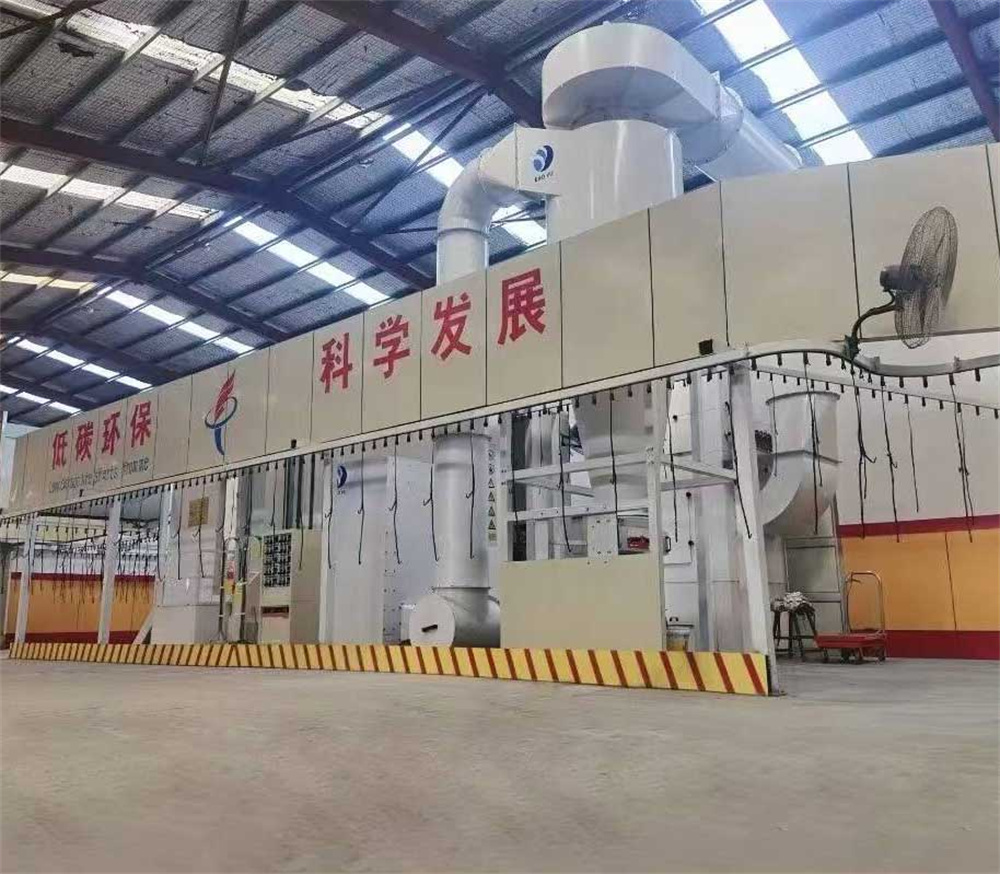
  1. Anti-Corrosion Surface Innovations: Moving away from standard wet paints to electrostatic thermosetting powder coatings. This reduces Volatile Organic Compounds (VOCs) to zero and provides a scratch-resistant barrier that passes a standard 100-hour salt spray corrosion test.
  2. Modular Tooling Systems: Instead of casting completely custom molds for every OEM client, factories deploy modular tooling. Interchangeable mold inserts allow variations in length, width, and blade teeth configurations without incurring full tooling costs (reducing setup fees by up to 60%).
  3. Carbon Footprint Mitigation: Using recycled high-carbon steel alloys and bio-based plastics in handle assemblies to align with European and North American corporate green procurement initiatives.

Advanced Metallurgy

Utilizing high-grade carbon steel, tempered and heat-treated to ensure maximum tensile strength, resilience, and resistance to bending under heavy clay loads.

Custom Tooling & Mold

Offering OEM/ODM processing capabilities, including custom blade shapes, localized handles, and laser-etched branding to build your private label.

Strict Quality Control

From chemical composition verification via spectrometers to automated drop tests and hardness evaluations, ensuring zero-defect output before shipment.

Key Performance Indicators (KPIs) in OEM Tool Manufacturing

45-52

HRC Hardness Index

<0.05%

Structural Defect Rate

75 kg+

Blade Bend Resistance

100 hrs

Salt Spray Test Approved

OEM Manufacturing Pipeline & Technical Roadmap

Distributors and commercial buyers need to understand what happens inside a top-tier manufacturing facility. A robust OEM contract manufacturing process involves five main phases to transform raw steel sheets or bars into finished, high-performing tools:

Phase 1: Steel Blanking & Cold Stamping

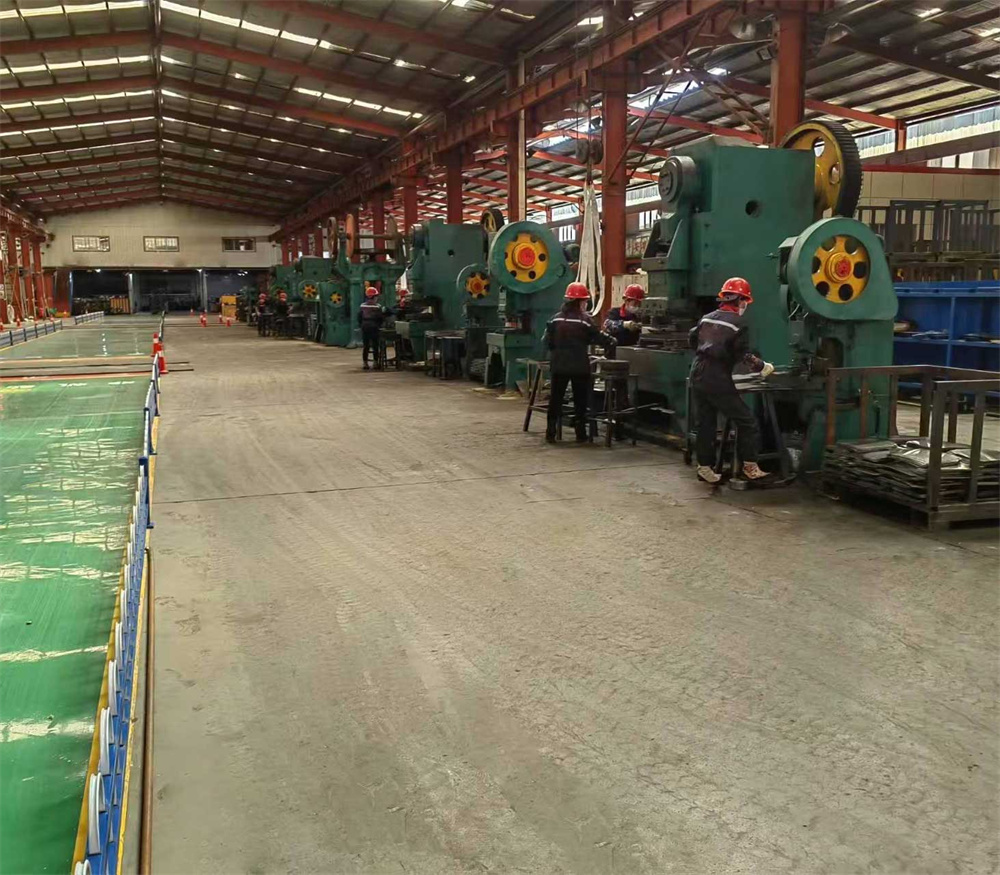
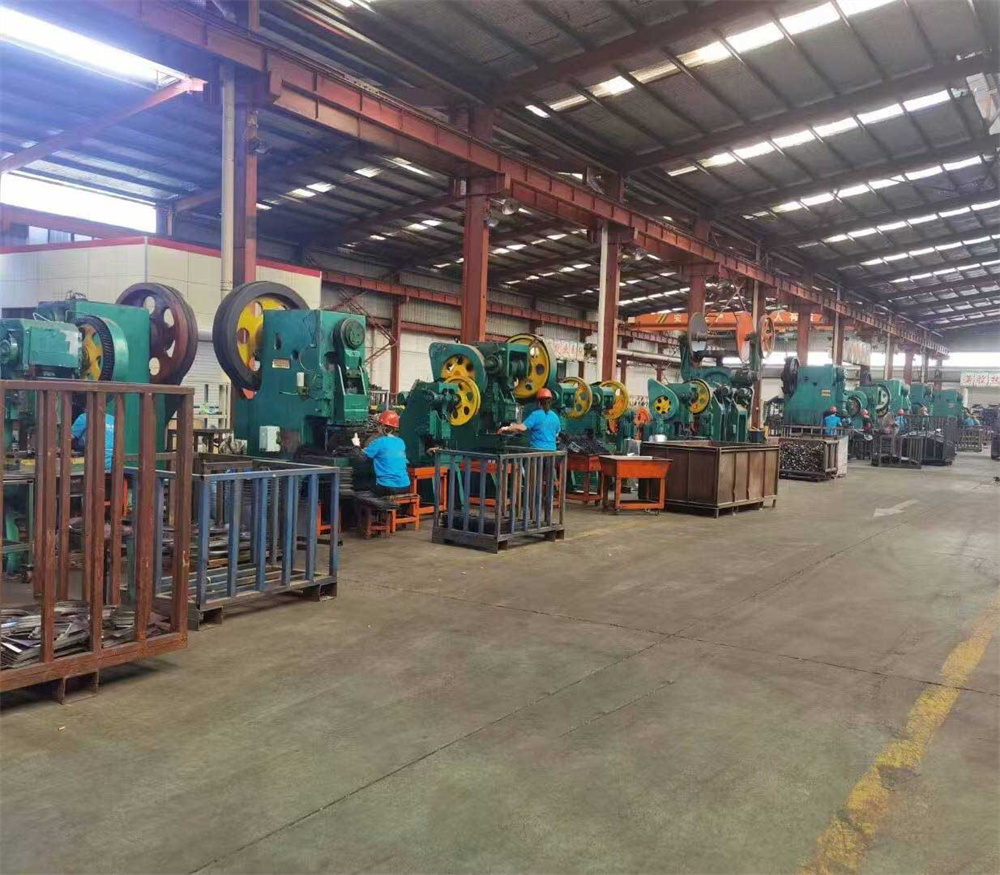
High-carbon steel plates are fed into massive hydraulic stamping presses. Progressive dies cut the flat silhouette of the hand trowel blade. At this stage, thickness is absolutely uniform, and the steel's structural integrity remains undamaged by heat.

Phase 2: Hot Forging & Forming

For premium series, the steel blank is heated via high-frequency induction and forged under mechanical hammers to create a variable thickness profile. This places more material at the neck of the tool to prevent the common structural failure where the blade joins the tang.

Phase 3: Isothermal Quenching & Tempering

The formed metal undergoes a precise heat treatment. It is heated past the critical transformation temperature and quenched in a controlled oil bath. Next, it is tempered at a lower heat to reduce brittleness, balancing ultimate hardness with impact resilience.

Phase 4: Automatic Polishing & Powder Coating

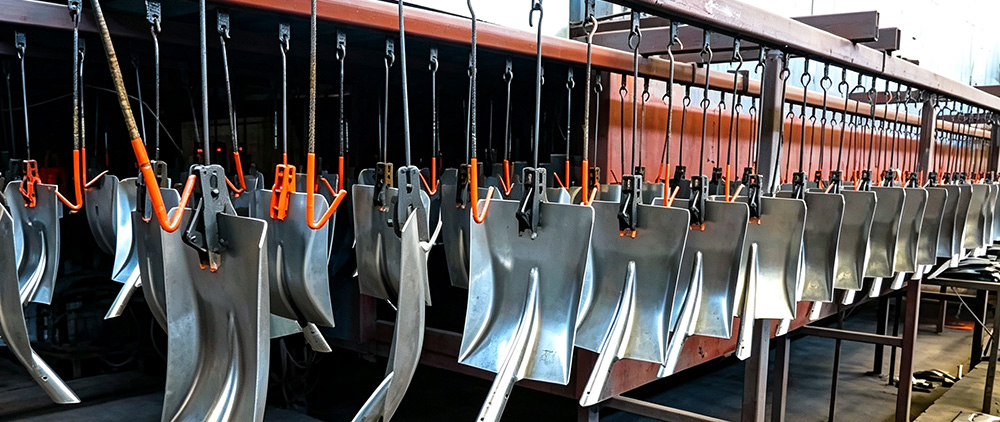
Robotic arms polish the edges and clean the surface. The blades are then electrostatically charged and coated with a protective epoxy-polyester powder. This is baked at 200°C to create a smooth, rust-resistant, highly durable outer layer.

Why Choose Us: Tianjin Jinyuan International Ltd

Our business processes are designed around customer satisfaction, reliable delivery, and absolute clarity. We recognize that every B2B customer has distinct specifications, so we offer a diverse range of agricultural solutions designed for various operational scenarios:
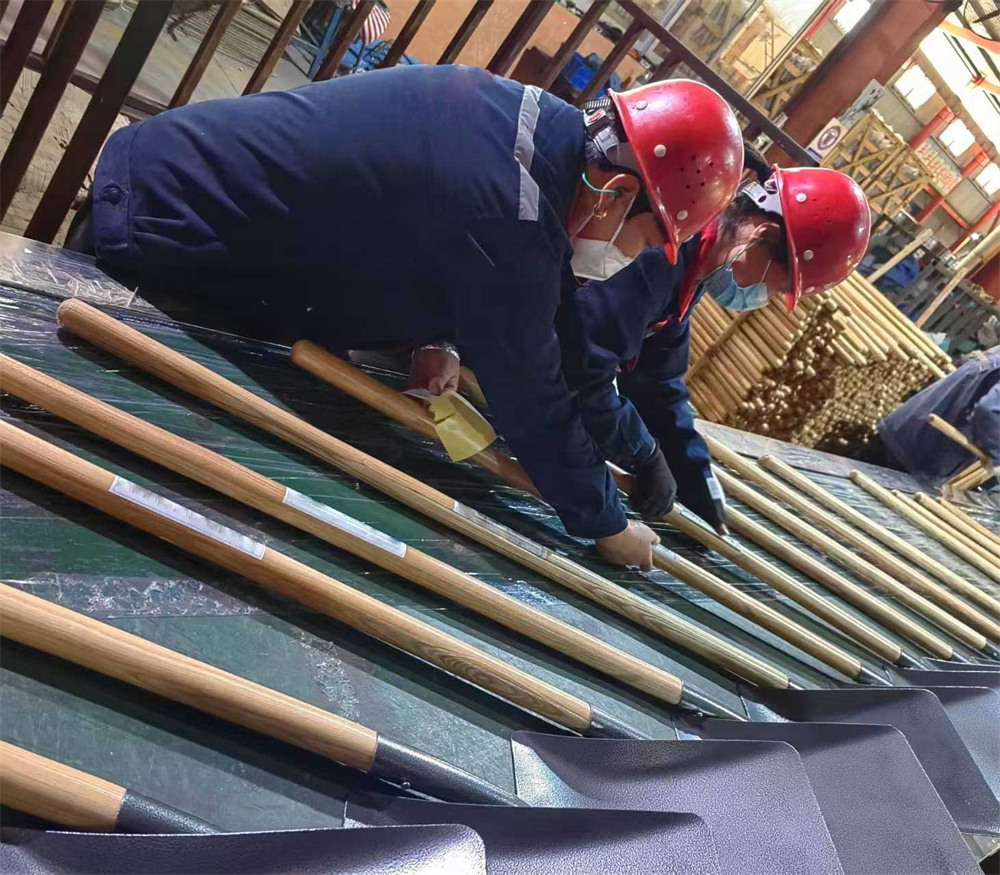
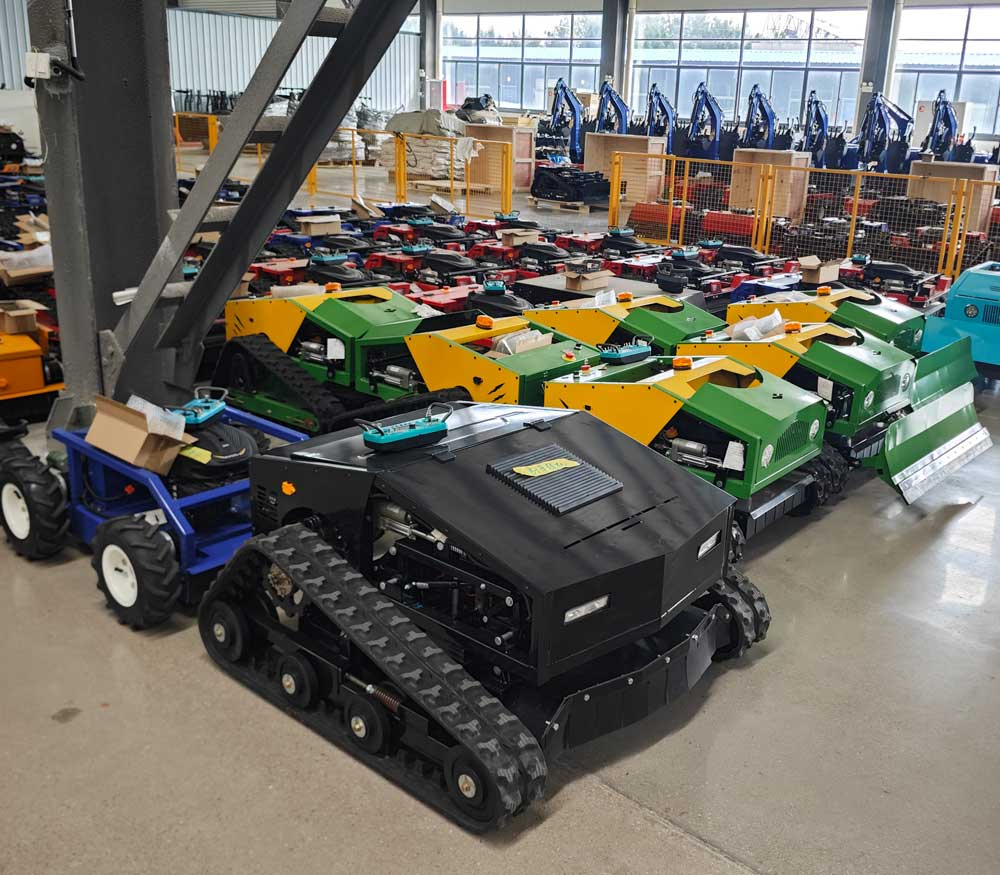
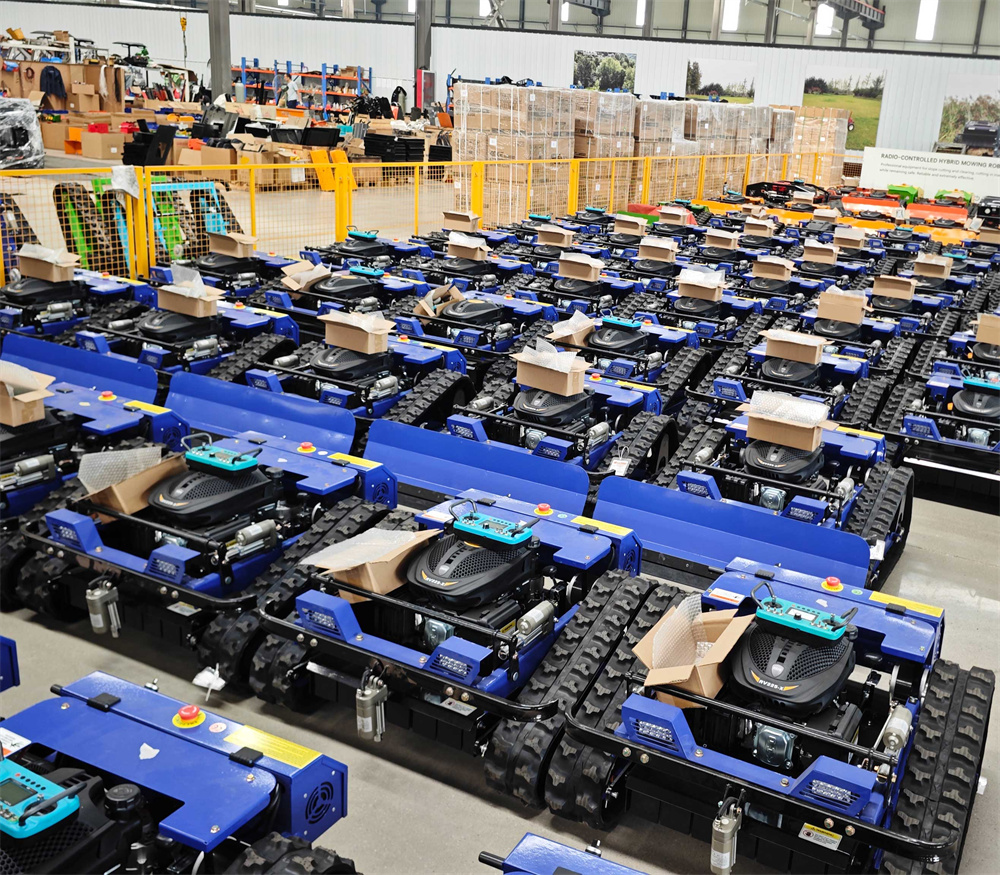
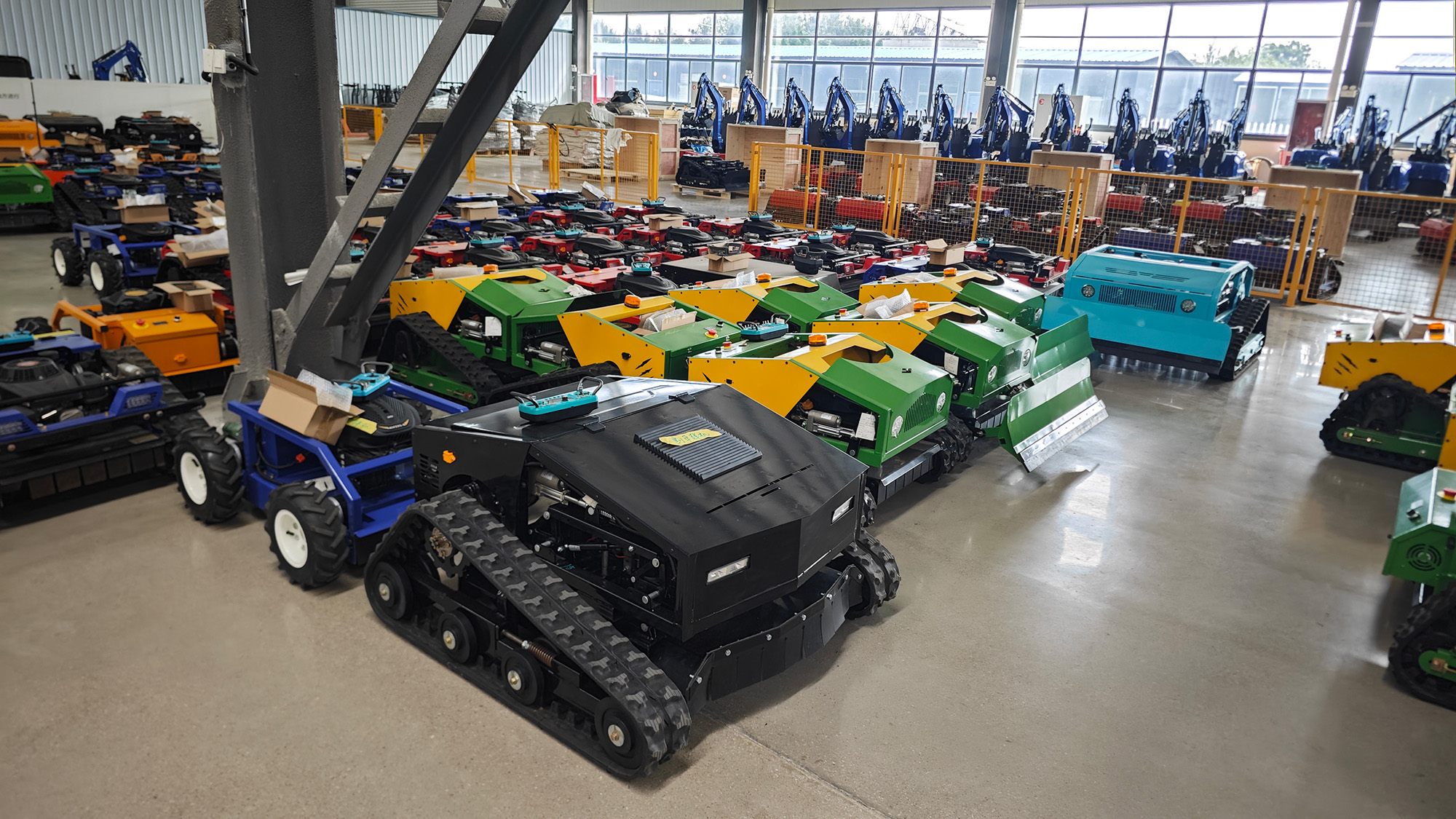
  • One-Stop Sourcing Hub: Instead of managing relationships with dozens of fragmented manufacturers, you can source everything—from high-strength hand trowels and shovels to remote-control lawn mowers and smart garden machinery—under one roof.
  • Quality Guarantee: Every batch is backed by certified lab test reports detailing chemical compositions and mechanical load limits. We match or exceed global standards (including GS, ISO, and DIN certifications).
  • Professional Support & R&D Guidance: Our engineering team can help modify existing designs, suggesting adjustments to handle angles or steel alloys to optimize performance in your target market.
  • Custom-Tailored Solutions: Whether you require bespoke retail packaging, custom private labels for Amazon, or special rust-resistant coatings for high-humidity coastal climates, we adapt to your requirements.
Automated Forging Line Robot Welding Station Powder Coating Line Tool Assembly Area Packaging & Storage Precision Testing Lab

Global Logistics Optimization & Localization Support

B2B shipping requires strict adherence to international shipping standards. Standard packaging methods for hand trowels often lead to moisture damage during long-distance maritime transit. Hand tools are dense and heavy, meaning standard cartons are prone to collapse under high humidity.

Tianjin Jinyuan International Ltd resolves this issue through professional packaging engineering:
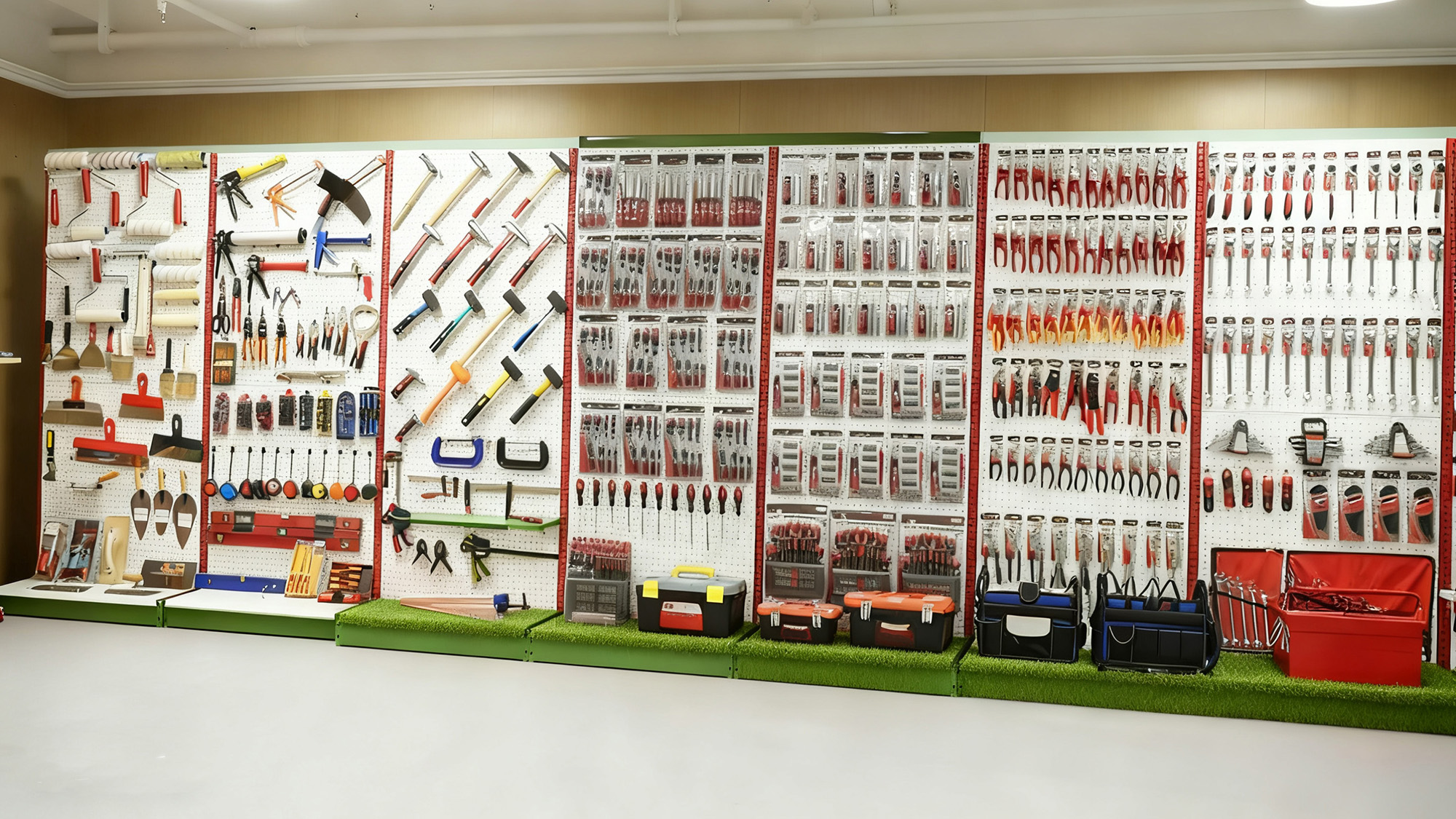
  • VCI (Volatile Corrosion Inhibitor) Polybags: Every steel tool is wrapped in an anti-rust VCI film that continuously releases protective vapors to prevent oxidation inside the container.
  • Heavy-Duty Corrugated Cartons: We use double-wall five-ply cartons (BC flute configuration) rated for up to 250 lbs to prevent crushing.
  • Standardized Palletization: All pallets are IPPC-certified ISPM-15 heat-treated wood or plastic, tightly stretch-wrapped with corner guards to facilitate safe forklift handling at receiving warehouses.
Warehousing Facilities Tool Showroom Testing Equipment

Frequently Asked Questions (FAQ) - Sourcing & Manufacturing

Q1: What is the typical Minimum Order Quantity (MOQ) for custom OEM hand trowels?
For standard designs with custom pad-printed logos, the MOQ typically starts at 1,000 units. For completely custom steel shapes that require new stamp tooling or specialized handle injection molds, the MOQ is generally 3,000 to 5,000 units, depending on the complexity of the design.
Q2: How do you guarantee the quality and durability of the tools?
Our quality control protocol involves several checks. We inspect incoming steel for chemical compliance, check hardness (HRC) after heat treatment, perform drop-tests on handles to ensure impact resistance, and carry out 3-point bending tests to verify structural strength. Clients receive inspection reports before loading.
Q3: Can you manufacture tools to comply with REACH and Prop 65?
Yes. We can formulate plastic handle grips (using virgin PP and TPE raw materials) to exclude restricted phthalates and heavy metals. We can also provide lead-free powder coatings, ensuring hassle-free clearance in European and North American markets.
Q4: What is the average lead time for production and delivery?
For repeat orders, our standard production lead time is 30 to 45 days. For first-time OEM orders, please allow an additional 15 to 20 days for prototype verification and custom tooling adjustments.
Q5: What wood options do you offer for handle assemblies?
We offer FSC-certified ash wood (known for its excellent shock-absorption qualities), premium beech wood, birch, and cost-effective mixed hardwoods. All wood handles are dried to a 10-14% moisture range and sealed with a clear lacquer coating to prevent water absorption and rot.

Accelerate Your Tool Brand's Market Position

Collaborate with Tianjin Jinyuan International Ltd for reliable manufacturing, strict quality control, and optimized supply chain support.

Send Inquiry & Request Samples