China Garden Tiller Blades Factories & Quotes

High-End Metallurgical Engineering, OEM/ODM Integration, and Direct Industrial Pricing for Global Agricultural Distributors

1. Executive Summary: The Critical Tribology of Agricultural Soil-Engaging Tools

In the global agricultural machinery sector, tillage performance is fundamentally constrained by the wear life of the soil-engaging components. Garden tiller blades, rotavator tines, and power harrow teeth operate under extreme conditions, characterized by intense abrasive friction, high-frequency impacts from subsurface granite structures, and continuous chemical exposure from soil minerals and organic fertilizers. Because tiller blades are high-wear components, choosing the correct engineering partner in China's manufacturing centers is vital for global agricultural equipment brands, OEMs, and heavy spares importers looking to maintain high field uptime and favorable unit costs.

"The interaction between tiller blade steel and mineral matrices is not merely a question of structural friction; it is a complex thermodynamic and abrasive kinetic challenge. A high-efficiency blade must balance surface hardness with elastic core toughness to survive shear pressures."

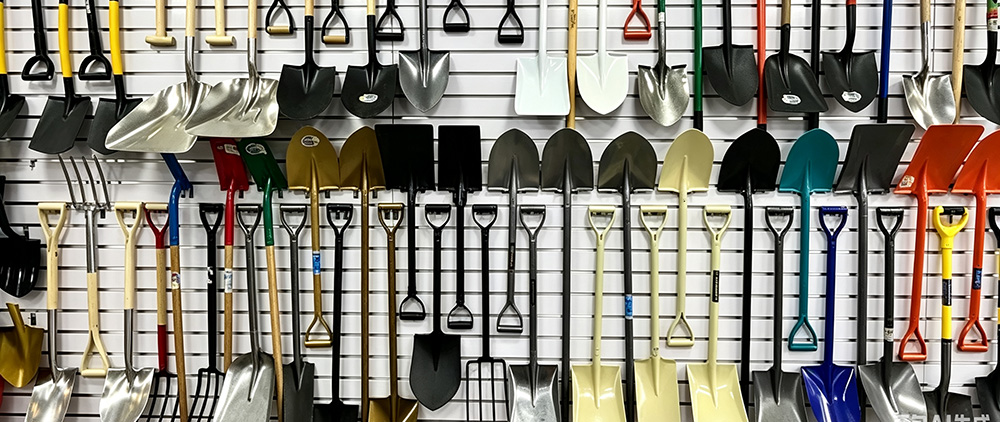
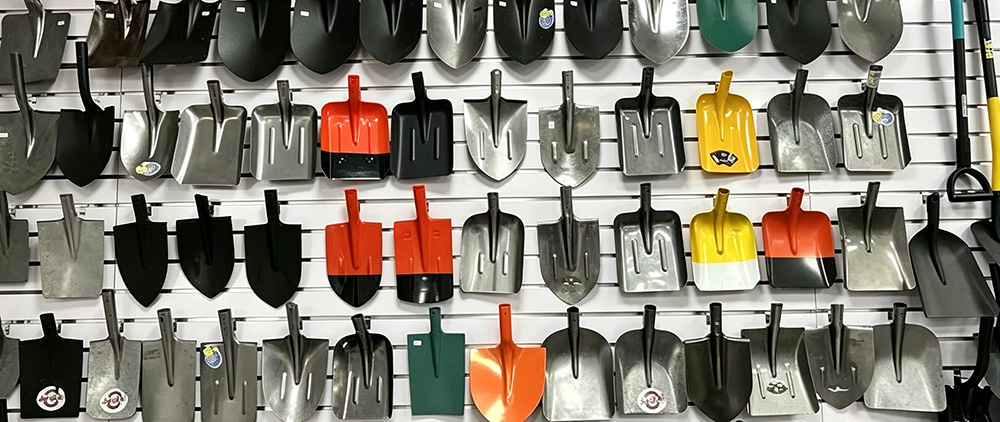
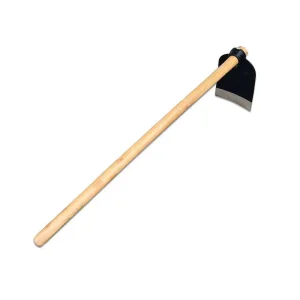
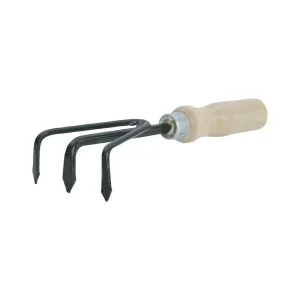
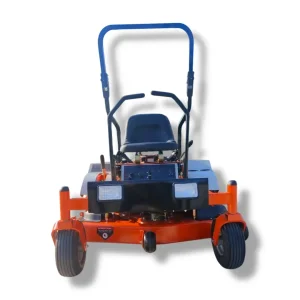
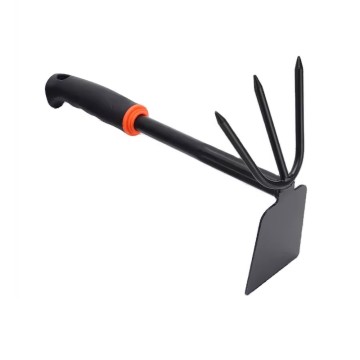
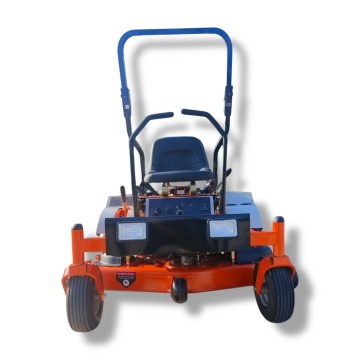
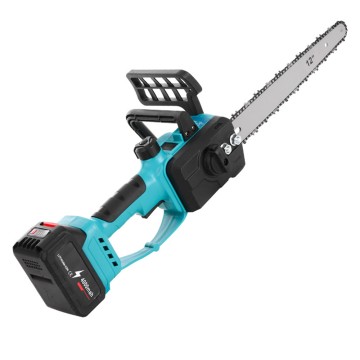
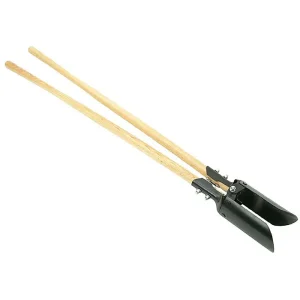
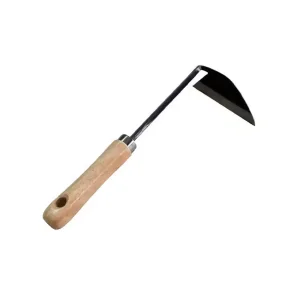
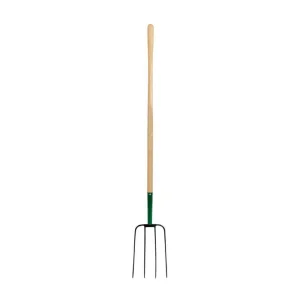
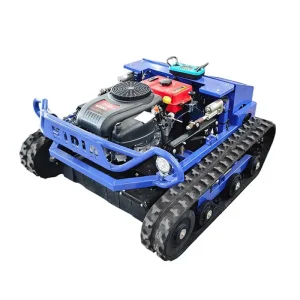
Tianjin Jinyuan International Ltd has emerged as a key B2B partner in this space. Our extensive product portfolio features direct-factory items such as carbon steel hoes, heavy-duty post hole diggers, zero-turn lawn mowers, and high-strength rotary tiller blades. By linking metallurgy to modern agricultural engineering, our factory produces tines and blades that minimize draft force, lower tractor fuel consumption, and increase overall tool service life.

Tianjin Jinyuan International Ltd: Professional Spares & Agricultural Tooling

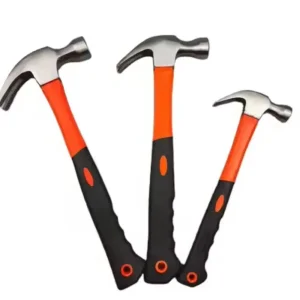
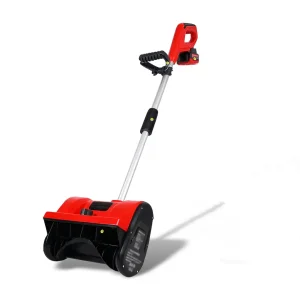
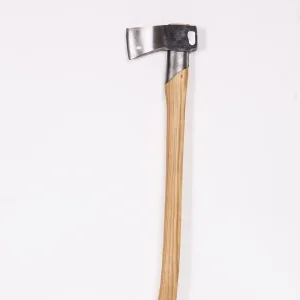
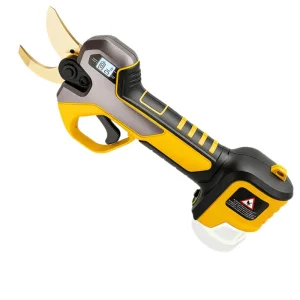
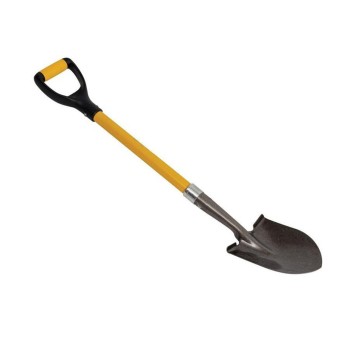
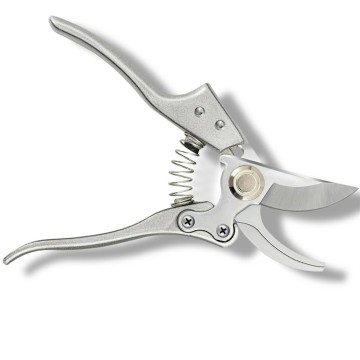
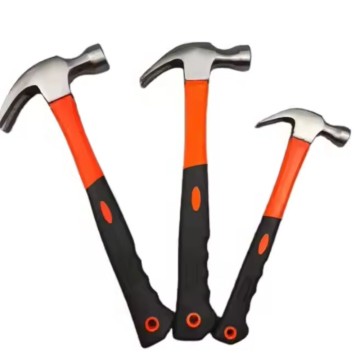
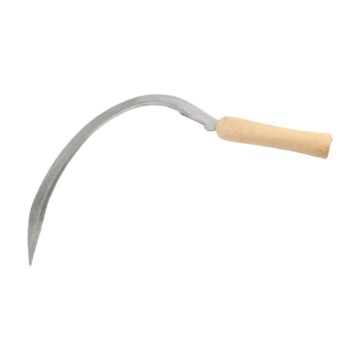
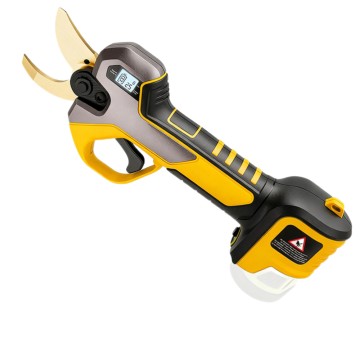
Tianjin Jinyuan International Ltd is a reliable manufacturer and supplier of garden tools, hand tools, and smart garden and agricultural equipment. We specialize in providing high-quality steel shovels, axes, hammers, lawn mowers, electric pruning shears, chainsaws, and a wide range of other agricultural tools. Our mission is to deliver the best products and services to every farmer and gardening enthusiast, ensuring you have the right tools to succeed in your endeavors.

Our products are renowned for their exceptional durability and efficiency. Each tool undergoes rigorous quality testing to ensure that it performs excellently in various environments, whether you are tilling, planting, or maintaining your garden. With our tools in hand, you can tackle any task with ease, significantly enhancing your productivity and supporting your every effort in the field or garden.

We prioritize customer satisfaction by providing attentive after-sales service. Should you encounter any issues during the use of our products, our dedicated customer service team is ready to assist you promptly, ensuring that every purchase is worry-free and enjoyable. By choosing us, you are not just buying tools; you are empowering your agricultural endeavors and investing in your success. Let us work together to create a fruitful future and achieve a brighter tomorrow for all.
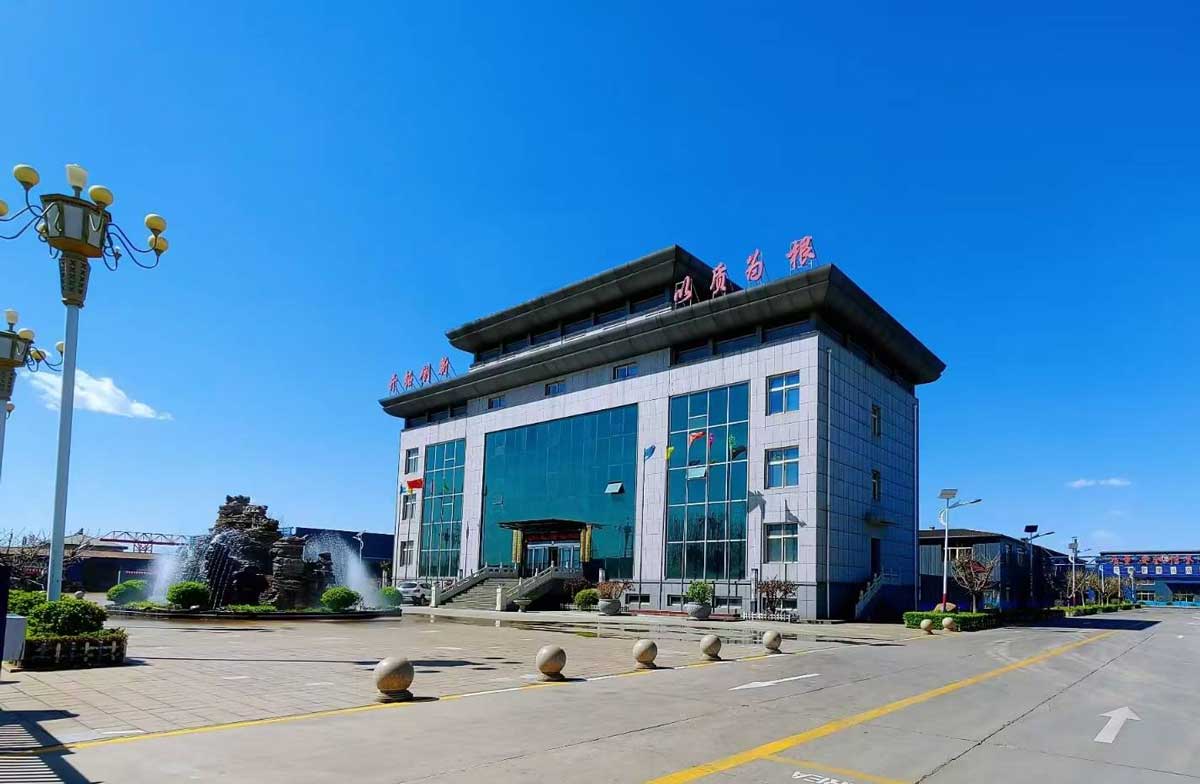
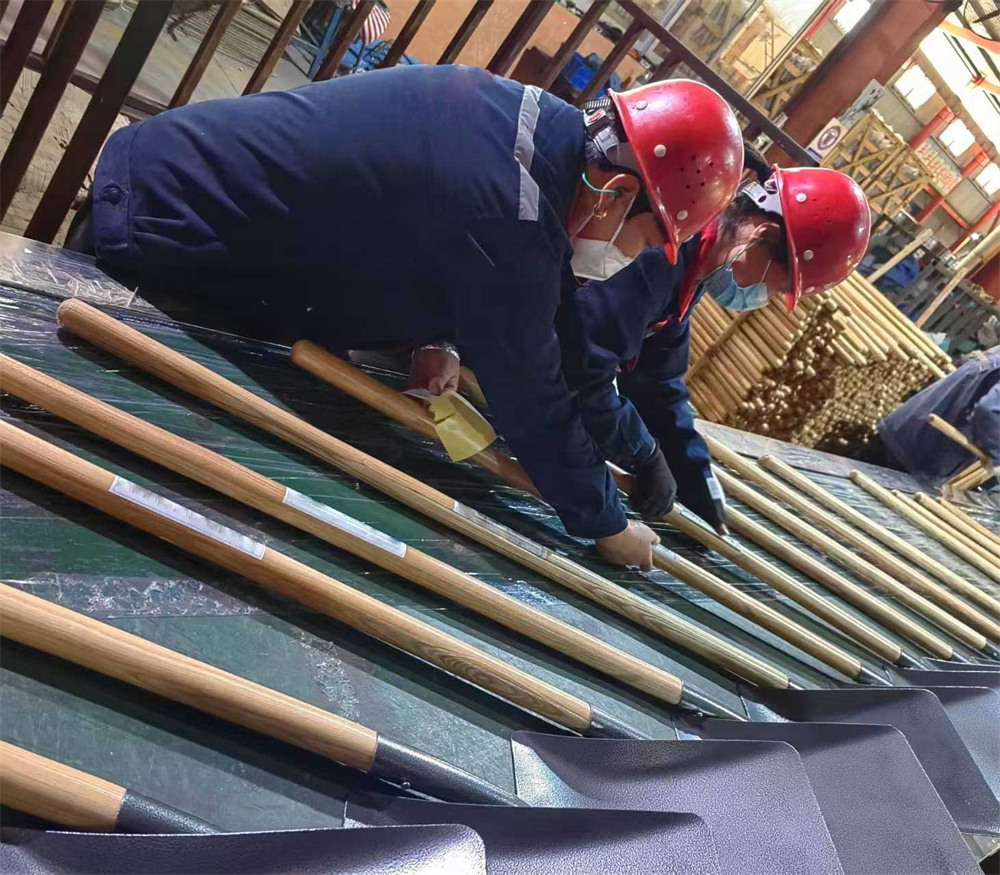
Tianjin Jinyuan International Ltd Factory Operations

2. Material Science & Heat Treatment: 65Mn vs. Boron Steel (28MnB5 & 30MnB5)

The metallurgical composition of tiller blades directly determines their yield strength and wear resistance. In Chinese forging factories, three primary steel alloys dominate production. Understanding their mechanical profiles is critical to making cost-effective B2B sourcing decisions:

  • 65Mn Carbon Steel: This high-manganese carbon steel is the global benchmark for cost-efficiency. With a carbon content of 0.62%–0.70% and manganese content of 0.90%–1.20%, it offers an exceptional balance between price and initial hardness. When properly oil-quenched and tempered, 65Mn achieves a Rockwell hardness of HRC 40–46. It performs best in rock-free, dry loam soils where abrasive wear is minimal.
  • 60Si2Mn Spring Steel: Enhanced with silicon (1.50%–2.00%) and manganese (0.60%–0.90%), this spring steel excels in elastic recovery. It absorbs high impact energies without cracking, making it ideal for tillers operating in stony clay soils. Our factory tempers 60Si2Mn to HRC 44–48, preventing blade bending under mechanical load.
  • Boron Steel (28MnB5 & 30MnB5): Boron steel represents the premium tier of modern agricultural spares. Adding even trace amounts of boron (0.0005%–0.003%) dramatically increases the material's hardenability without compromising weldability or impact toughness. Quenched in oil or salt bath solutions, our boron steel tiller blades achieve HRC 48–52. They last up to 2.5 times longer than 65Mn under abrasive friction, making them a preferred choice for commercial OEMs.
HRC 48-52
Boron Steel Surface Hardness
2.5X
Service Life vs. Standard Carbon Steel
>15 J/cm²
Charpy V-Notch Impact Energy
0.01%
Field Structural Failure Rate

Beyond material chemistry, our automated heat-treatment furnaces employ a state-of-the-art isothermal salt bath quenching process. This method avoids the micro-cracking and thermal distortion associated with standard water quenching. The resulting tempered martensite/bainite microstructure provides the blade with high surface hardness to resist sand-soil scratching while maintaining a tough core that absorbs heavy rock impacts.

Industrial Advantages: Why Source from Tianjin Jinyuan

Providing custom, high-durability solutions that reduce operational downtime and optimize agricultural productivity.

Professional Manufacturing

Our agricultural tools are rigorously tested to ensure durability and efficiency, delivering reliable, high-performance operation on every pass.

Diverse Sourcing Catalog

From rotary tiller blades and premium cultivators to shovels and electric pruning shears, we provide a complete lineup to meet varied field requirements.

Customer-First Service

We combine high-performance agricultural equipment with prompt after-sales support to ensure a reliable and streamlined B2B purchasing experience.

3. Engineering Optimization: Matching Blade Geometry to Soil Mechanics

Soil structure varies significantly by geographic region, requiring specific blade designs. Selecting the wrong blade geometry leads to high drag resistance, soil clogging, and premature mechanical wear. The three primary geometric profiles manufactured in our Tianjin facility include:

  • L-Shaped Blades: The L-shape features a sharp 90-degree bend. This configuration is engineered for shallow weeding, pasture renovation, and precision seedbed preparation. The horizontal cutting edge slices roots and flips weed systems to the surface, where they quickly dry. Because of its flat profile, it minimizes soil clod size. However, it is prone to clogging in wet, heavy clay.
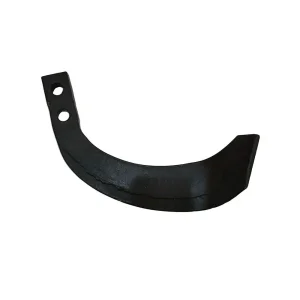
  • C-Shaped Blades: The curved C-shape is the industry standard for general tillage, heavy soil inversion, and deep penetration. The smooth curve reduces drag resistance when cutting through heavy organic residue and clay. The shape promotes self-cleaning, preventing weeds from wrapping around the rotor shaft.
  • J-Shaped Speed Blades: Combining aspects of both L and C profiles, J-shaped blades are designed for high-speed secondary tillage. They provide excellent soil inversion and breakdown with minimal impact shock, reducing tractor fuel consumption.

By working directly with our factory, B2B clients can customize blade thickness (ranging from 6mm to 10mm), mounting hole spacing, and cutting edge bevel angles. This ensures the components are fully compatible with major global rotary tiller brands.

4. Supply Chain & Manufacturing Efficiency: The Tianjin Advantage

Tianjin Jinyuan International Ltd leverages our proximity to the major industrial port of Tianjin to deliver distinct structural pricing advantages for B2B buyers. The efficiency of our Chinese production lines is built on three main pillars:

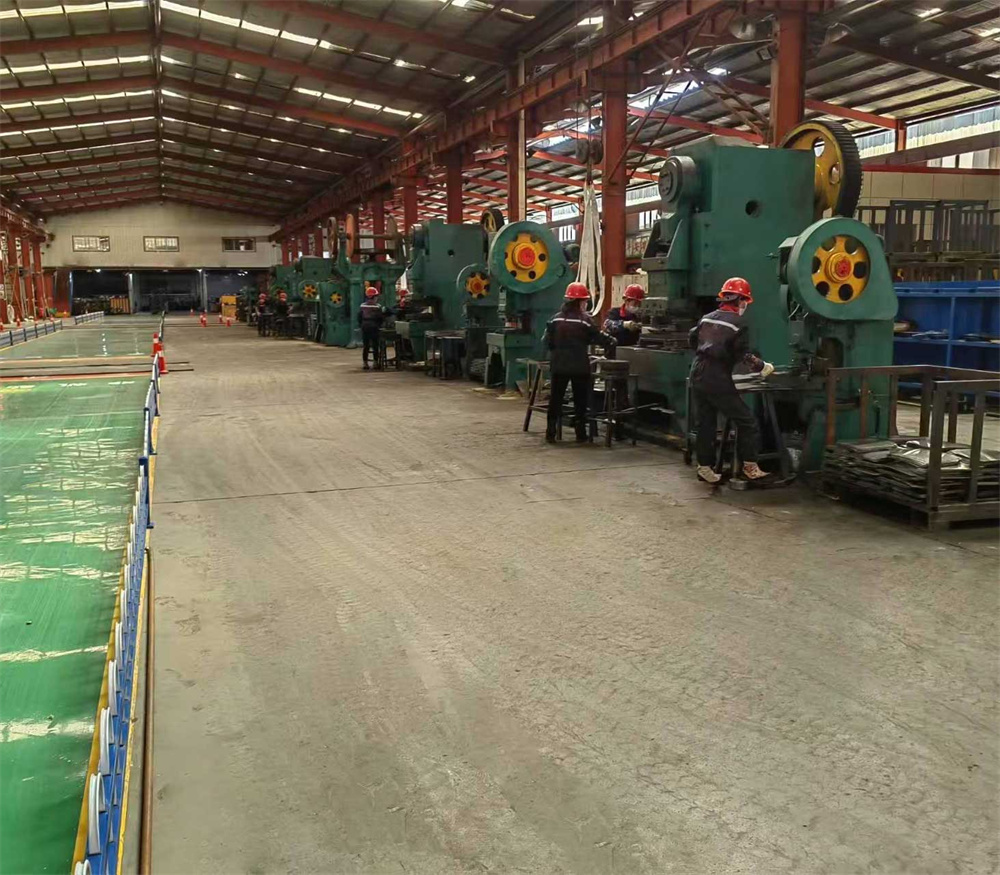
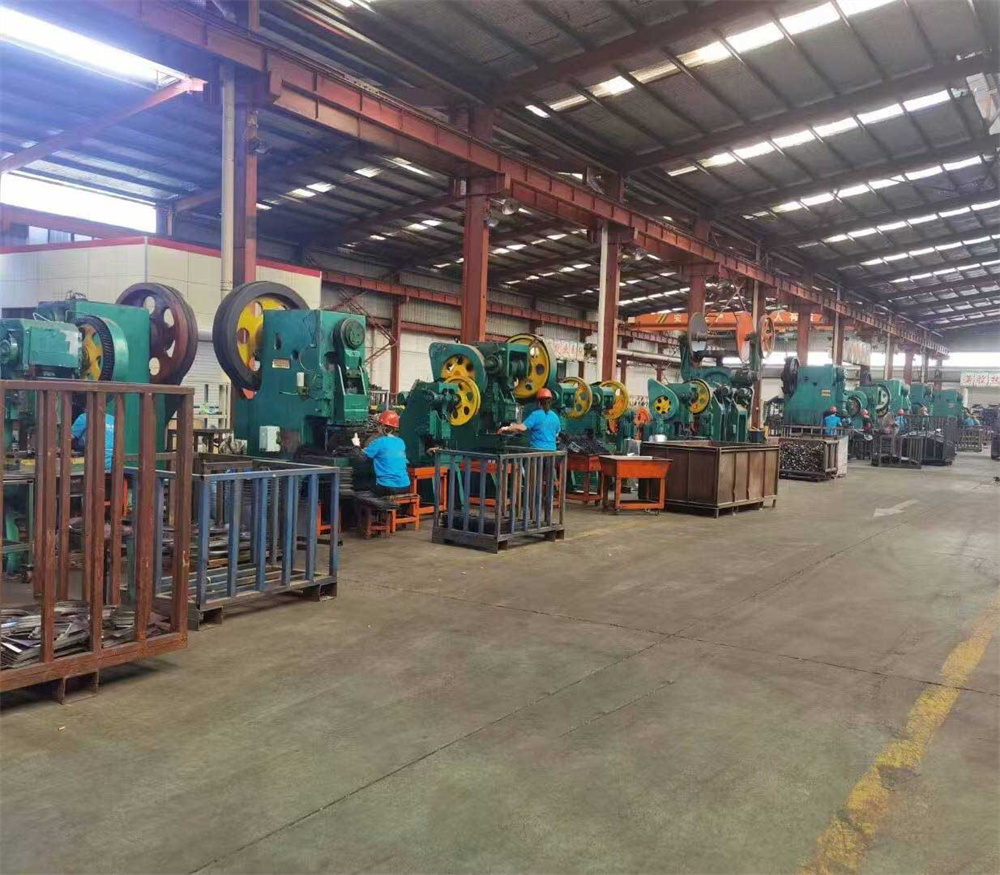
  1. Automated Forging & Stamping: Our factory operates heavy progressive stamping lines and automated forge presses. These systems form raw steel bar stock into finished blade shapes in a single heating cycle, maintaining precise mechanical alignment and minimizing steel waste.
  2. Proximity to Raw Materials: Located near northern China's steel mills, we secure bulk manganese and boron alloy steel at favorable baseline rates. This direct material access protects our clients from the price volatility common in regional metal markets.
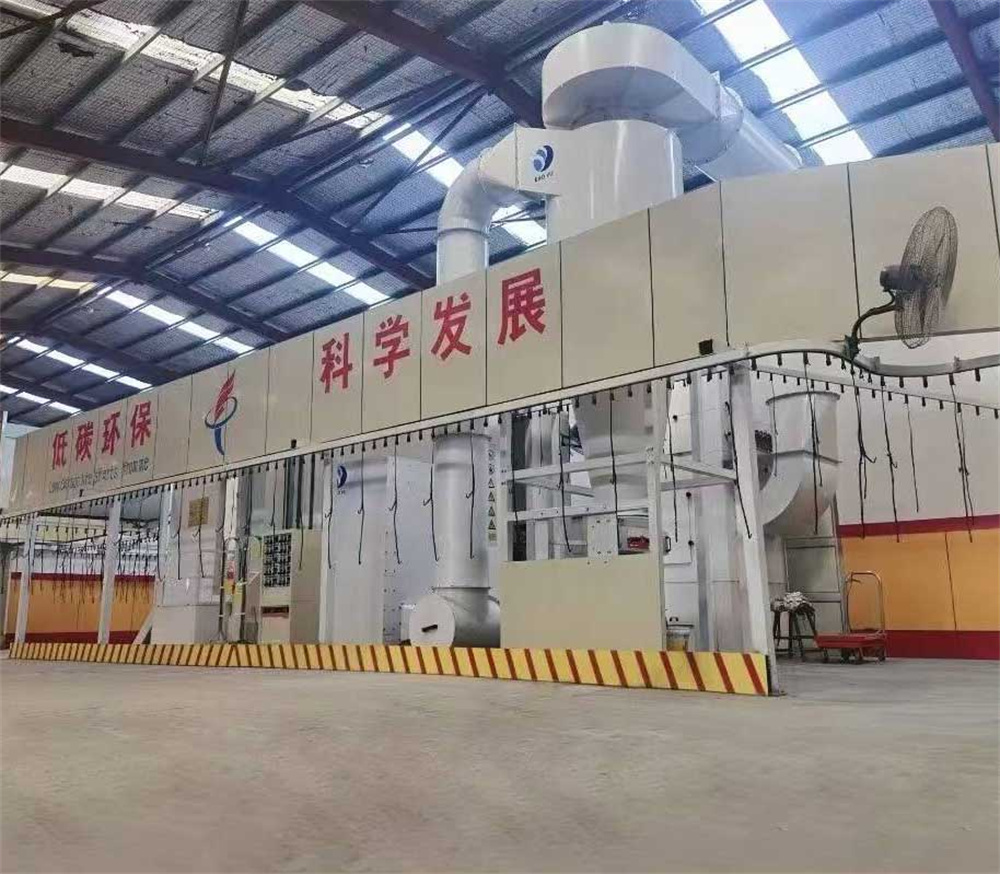
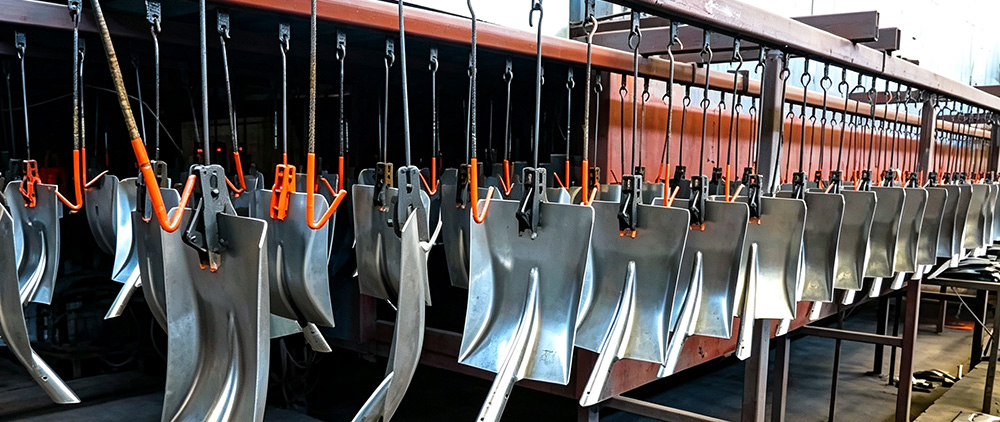
  3. Advanced Surface Coating: We finish our blades using automated electrostatic powder coating lines. This process applies a thick, corrosion-resistant paint layer that is baked at 200°C. The resulting finish protects the bare steel from oxidation during storage and oceanic transit, arriving ready for direct commercial retail.

Advanced Manufacturing Infrastructure

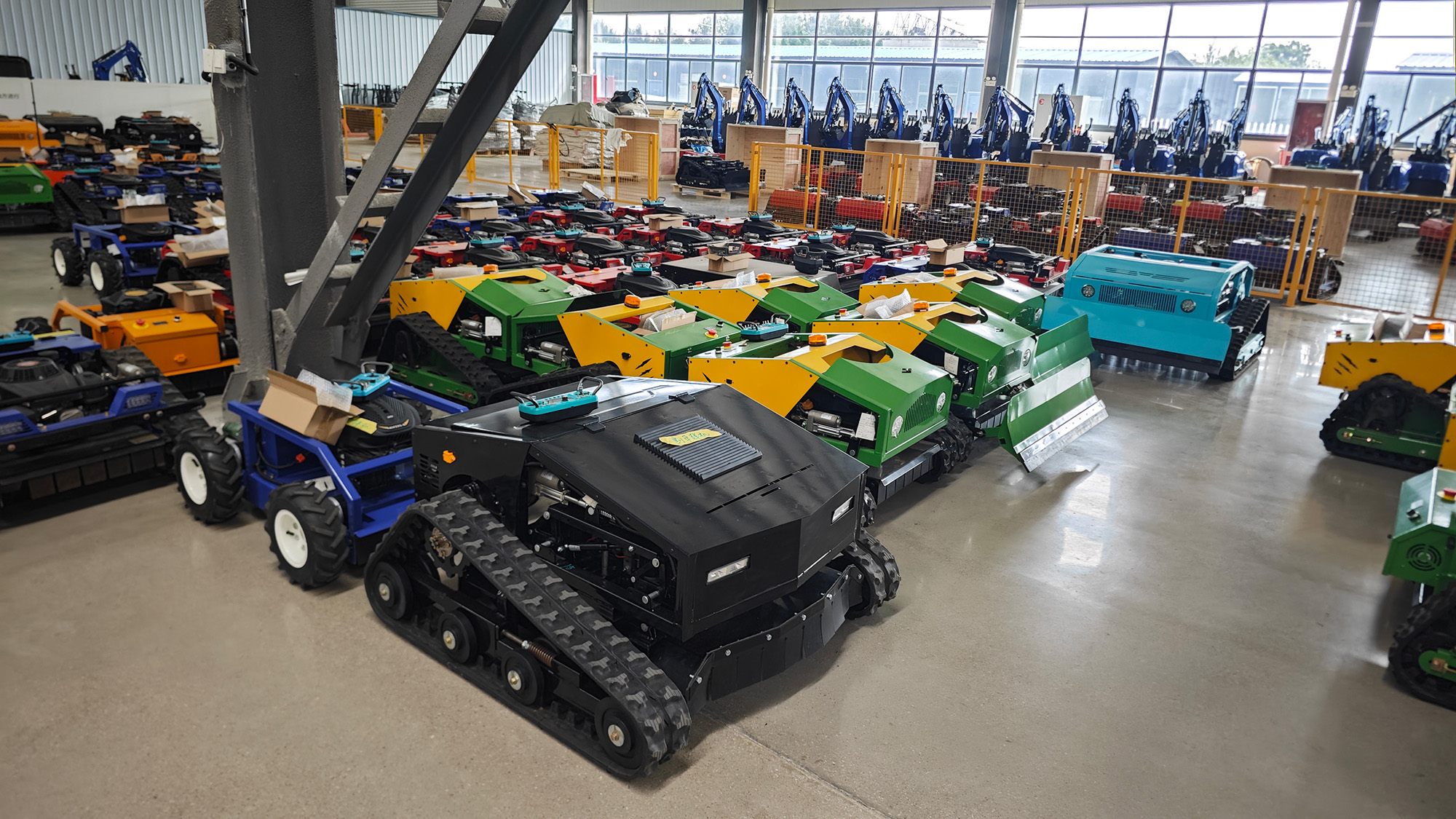
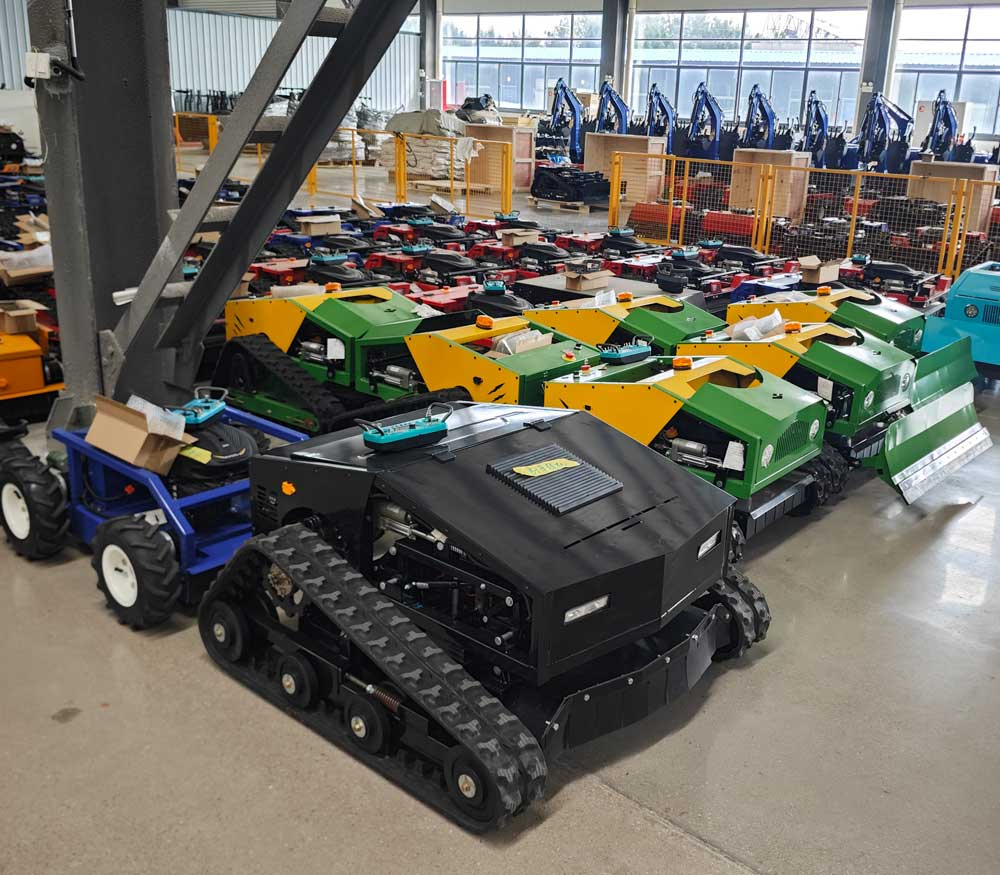
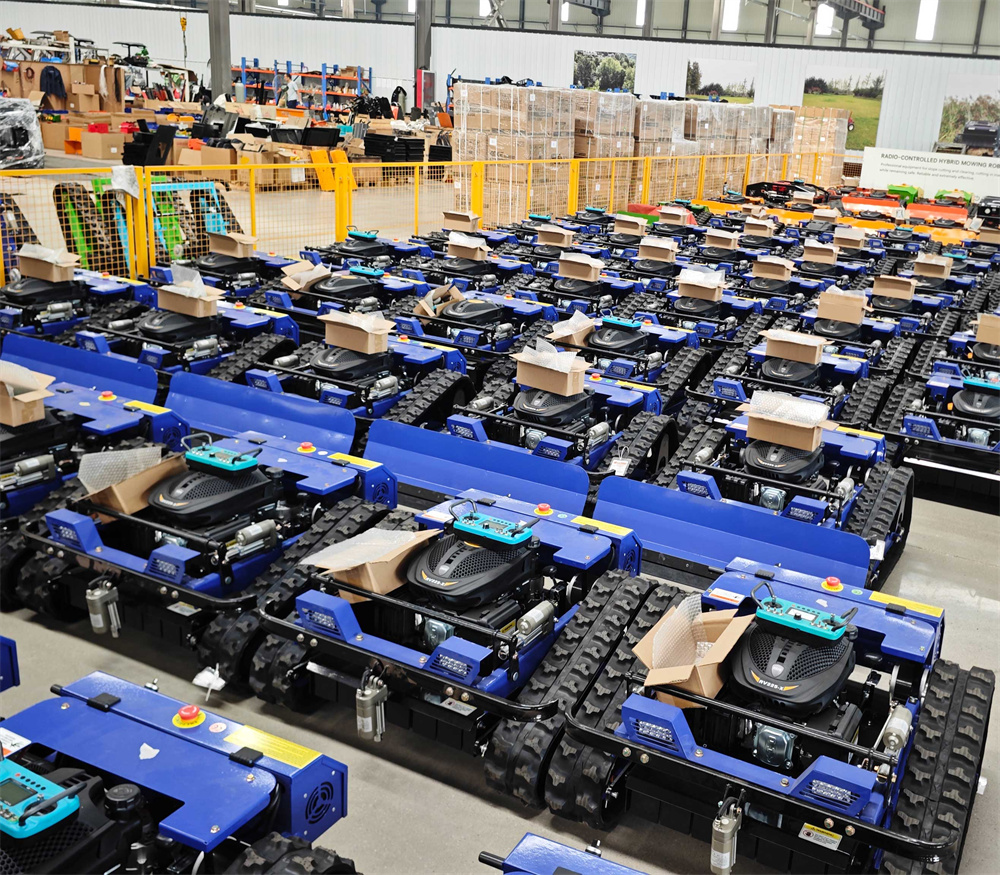
Our Tianjin showroom and advanced manufacturing warehouses are equipped to handle high-volume OEM/ODM projects.
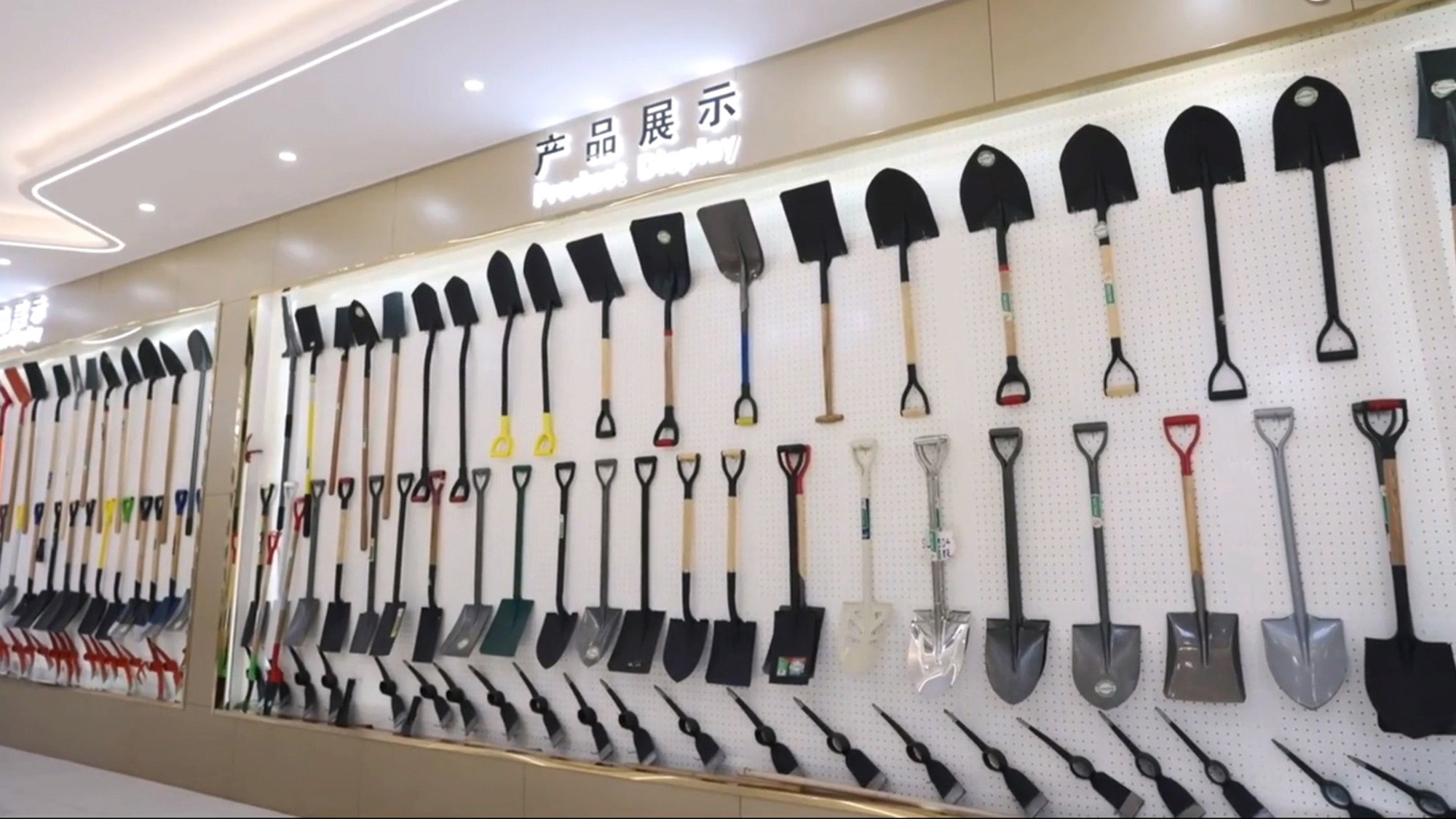
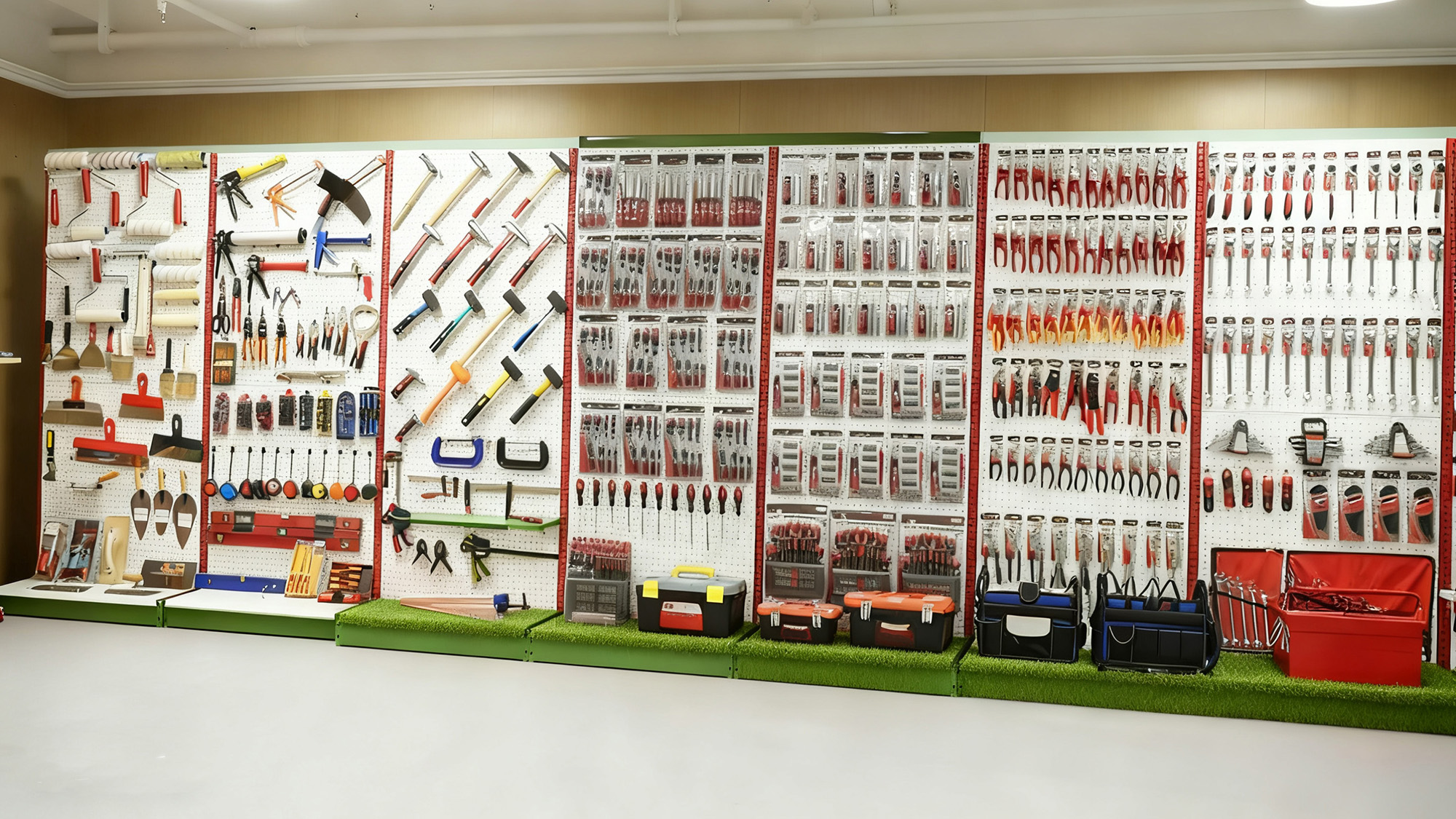
Factory Tour & Processing Line

Heavy Forging & Foundry Facilities

5. Sourcing Blueprint: Custom Quotes, MOQ, and Quality Control

Navigating B2B procurement for agricultural wear parts requires balancing upfront unit costs with long-term field performance. When requesting a factory quote for rotary tiller blades, consider these four key technical requirements:

  • Define the Steel Grade Clearly: Never request a quote for generic "steel." Specify the carbon and alloy content (e.g., 65Mn, 60Si2Mn, 28MnB5, or 30MnB5) to ensure accurate pricing.
  • Specify Hardness Tolerances: Request Rockwell Hardness testing (HRC scale) at specific points on the blade—along the cutting edge, near the mounting holes, and at the core. High hardness along the edge provides wear resistance, while a lower, tougher core hardness prevents brittle fracture under stress.
  • Confirm Custom Tooling Costs: For OEM designs, inquire about tooling and mold costs up front. Standard L and C blade shapes usually do not require new tooling. However, unique mounting bolt pattern modifications can require custom stamping dies.
  • Establish Clear Shipping Terms: Our factory offers flexible FOB Tianjin, CIF, and DDP shipping arrangements. We package our blades in seaworthy wooden crates lined with heavy plastic shrink-wrap, protecting them from saltwater humidity during transit.

6. Future Trends: Smart Farming & Tungsten Carbide Coatings

As conservation tillage practices and autonomous farming systems expand globally, tiller blade design is shifting toward smart, ultra-durable wear solutions:

  1. Tungsten Carbide Laser Cladding: Applying a thin layer of tungsten carbide alloy to the blade's cutting edge using laser cladding creates a self-sharpening effect. As the softer base steel wears down, the harder tungsten carbide remains exposed, maintaining a sharp cutting profile and extending the tool's service life.
  2. Eco-Friendly Low-Tillage Geometries: Modern blades are designed to gently lift and aerate soil, preserving subsurface microbial networks rather than heavily fracturing the soil structure.
  3. Integration with Autonomous Tillers: Self-driving tractors operate at precise ground speeds, requiring high consistency in blade weight and dynamic balance. This reduces structural vibration and prevents wear on the machine's drivetrain.

Technical Q&A: Importer & Distributor FAQ

Expert answers addressing steel chemistry, heat treatment options, customization, and logistical processes.

Q1: What steel alloy is best for rocky and stone-heavy soils?
For rocky conditions, we recommend 28MnB5 or 30MnB5 Boron Steel. Its added boron content enhances hardenability, allowing the blade to maintain a hard surface (HRC 48-52) while retaining a tough core. This prevents the blade from fracturing when striking rocks. For high-impact applications, 60Si2Mn Spring Steel is also a strong choice due to its high elastic limit.
Q2: How does your factory prevent blades from bending under high-stress tillage?
We use computerized heat treatment processes, including oil quenching and tempering. This creates a balanced micro-structure that avoids both brittle hardness (which causes cracking) and soft metal issues (which cause bending).
Q3: Can we request custom hole spacing, shape, and thickness for OEM purposes?
Yes. We provide complete OEM/ODM customization services. Clients can specify blade thickness (6mm to 10mm), bolt hole diameters, spacing patterns, curvature radii, and overall width. You can provide your CAD designs directly to our team.
Q4: What is the typical MOQ for custom garden tiller blade orders?
For standard designs, our minimum order quantity starts at 1,000 pieces. For custom OEM specifications requiring new stamping dies, the MOQ ranges from 2,000 to 5,000 pieces depending on the complexity of the design.
Q5: How are the blades protected against rust and corrosion during ocean transport?
We apply a bake-on electrostatic powder coating that acts as a strong barrier against moisture and salt. The blades are then wrapped in plastic liners and packed securely in fumigated wooden crates.
Q6: What quality testing protocols does Tianjin Jinyuan perform before shipment?
Every production batch undergoes three key tests: Rockwell Hardness (HRC) validation, Charpy V-Notch impact testing to confirm core toughness, and dimensional checks against our engineering blueprints.

Need More Information or a Sample?

We are committed to providing you with high-quality products and excellent service. If you have questions about custom dimensions, steel certifications, or bulk quotes, please contact our engineering and support team.

Inquiry Now & Get Custom Quote