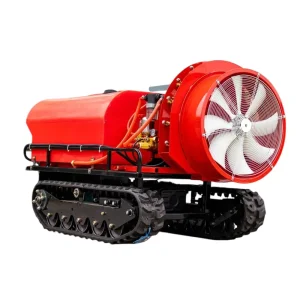
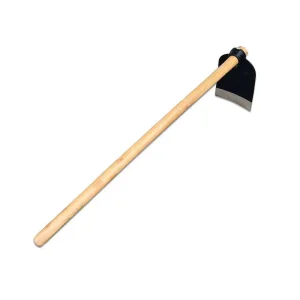
Explore our premium B2B custom tools, machinery accessories, and manufacturing options designed for heavy agricultural and gardening enterprises.
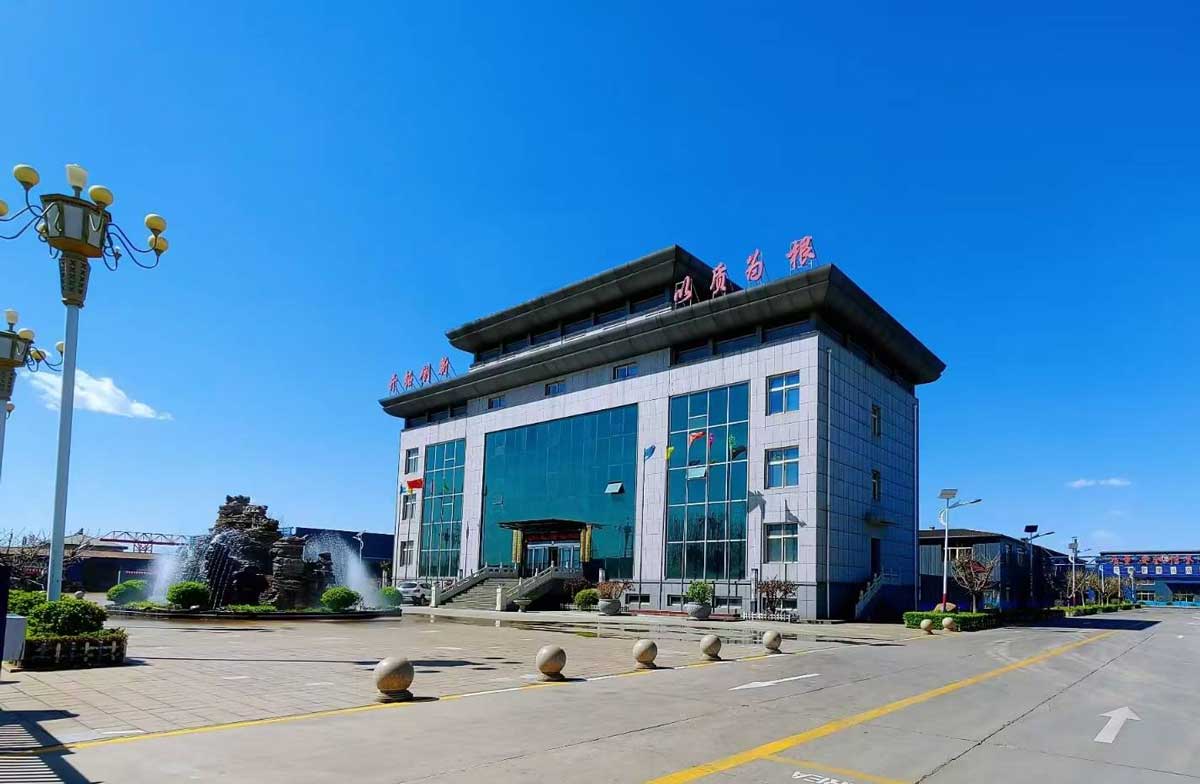
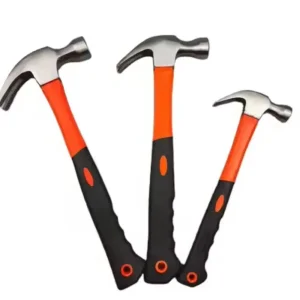
Tianjin Jinyuan International Ltd is your trusted, high-performance manufacturing partner for agricultural, smart farming, and landscape maintenance tools. We specialize in engineering premium steel shovels, axes, hammers, lawn mowers, electric pruning shears, chainsaws, and a wide array of specialized agricultural gear, including Heavy Duty Brush Cutter Tiller Blades.
Each of our products undergoes rigorous mechanical stress testing to ensure it excels in demanding field conditions. By incorporating high-performance metallurgy, advanced dynamic balance checks, and anti-fracture safety features, our tools enhance productivity, reduce downtime, and lower operating costs for industrial suppliers, wholesalers, and agricultural groups globally.
A comprehensive examination of how mechanized land clearing and mini-tillage accessories are transforming agricultural operations across continents.
Agricultural operations and commercial landscaping teams are replacing single-purpose equipment with versatile modular machinery. Brush cutters are no longer restricted to cutting soft weeds. By attaching specialized mini-tiller rotary blade attachments, operators can quickly transition a standard brush cutter into a light-soil cultivator. This shift reduces upfront capital investments for smallholders and municipal contractors alike.
The global demand for brush cutter tiller blades spans three main regions, each with specific technical standards:
Integrating professional manufacturing capabilities with client-focused supply chain solutions.
Our agricultural tools undergo severe stress and thermal treatment testing. This process results in a consistent hardness rating (typically 48–52 HRC) across all cutter blade batches, reducing micro-cracks and material defects.
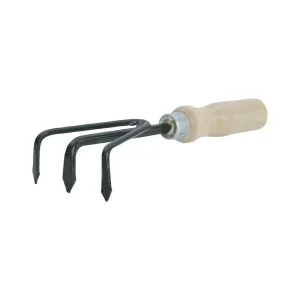
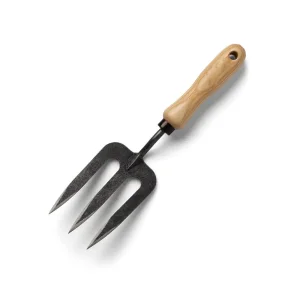
From light handheld 3-tine cultivators to heavy-duty industrial rotary tiller blades, we accommodate varied requirements. We offer dynamic solutions that address soil composition challenges globally.
We provide comprehensive sales and engineering backup. If client batches encounter custom clearance challenges or specific mechanical installation requirements, our team coordinates solutions directly.
Use these metrics to verify you are requesting the correct mechanical specifications during the quotation phase.
When requesting quotes for Brush Cutter Tiller Blades, specifying generic terms can lead to compatibility issues. Manufacturers rely on precise metrics, including arbor sizing, thickness, and hardness parameters. The table below details standard operational specifications for heavy-duty tiller-cutter combinations:
| Blade Type | Common Application | Material Grade Options | Optimal Hardness | Arbor Diameter (Standard) |
|---|---|---|---|---|
| 2-Tooth (2T) Cutter | Thick, heavy weeds & field grass clearing | 65Mn Manganese, Carbon Steel | 46–50 HRC | 25.4 mm (1 inch) / 20.0 mm |
| 3-Tooth (3T) Tiller-Edger | Soft soil loosening, minor weed extraction | SK5 Carbon Steel, Carbon Alloy | 48–52 HRC | 25.4 mm (1 inch) |
| 40-Tooth TCT Brush Blade | Woody brush, thin tree saplings, dense reeds | Tungsten Carbide Tipped Base | 50–54 HRC (tips >70 HRC) | 25.4 mm |
| Rotary Weeding Tiller Attachment | Inter-row crop weeding, deep soil aeration | Hardened 65Mn Steel (Forged) | 50–53 HRC | Splined Gearbox Fitment |
Most Chinese factories offer either 65Mn Manganese Steel or SK5 High Carbon Steel. The difference lies in resilience. 65Mn offers excellent elasticity, allowing the blade to deflect off rocks without shattering, making it ideal for clearing unknown terrain. SK5 maintains a sharper edge for longer, which is preferable for precise cultivation and cutting in soils free from heavy gravel.
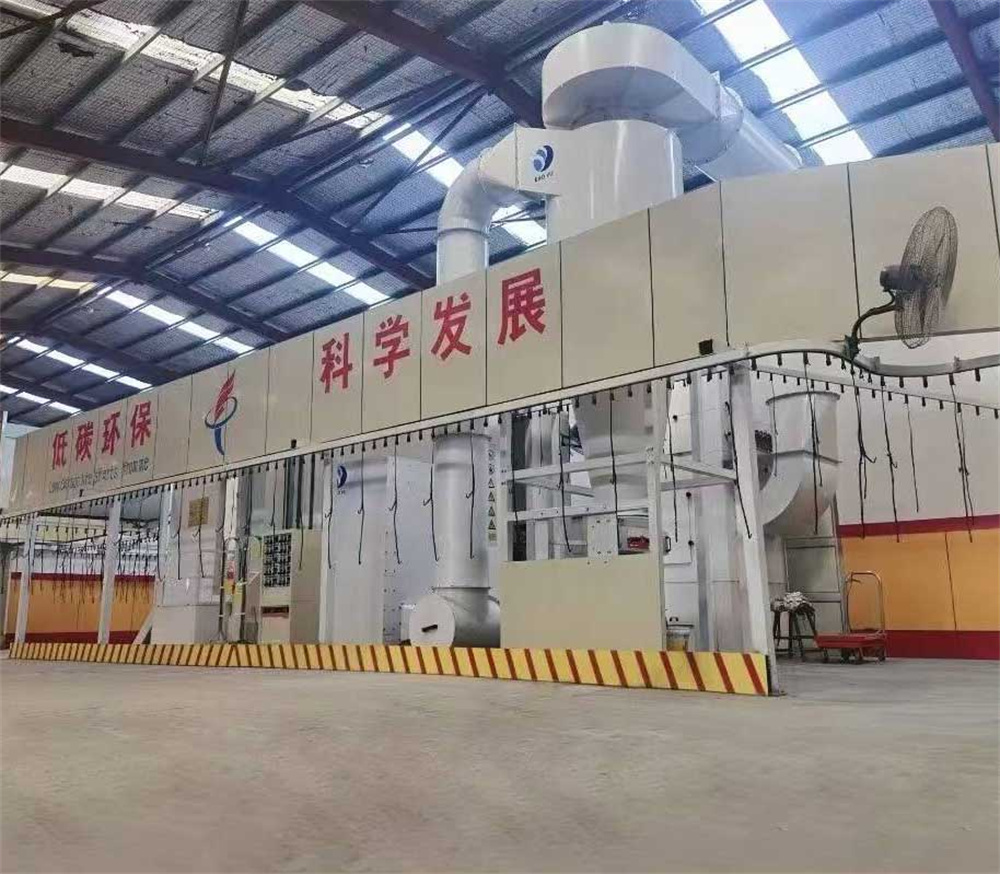
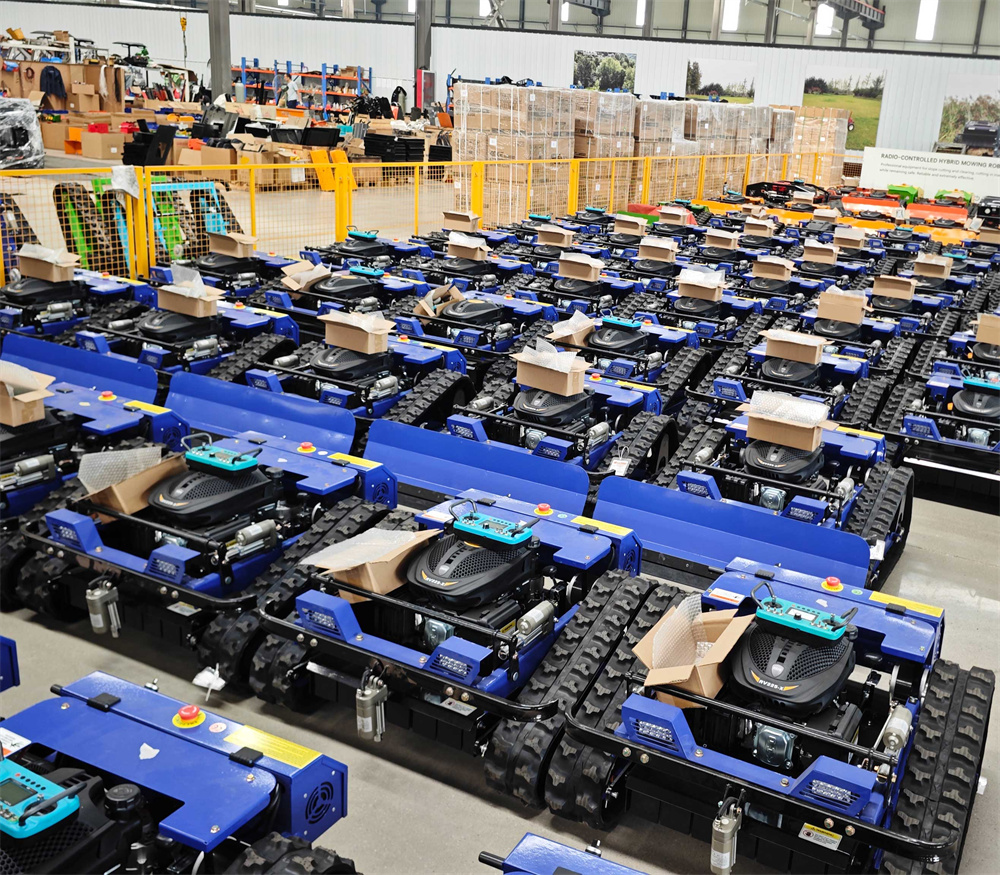
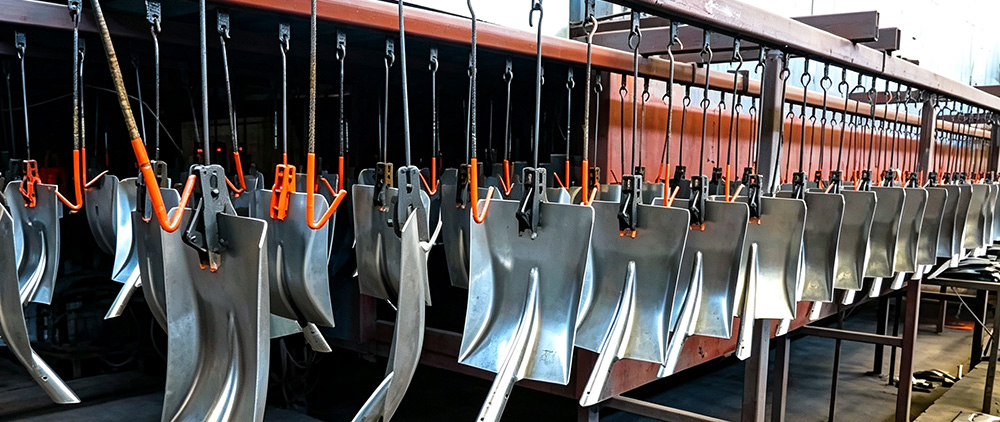
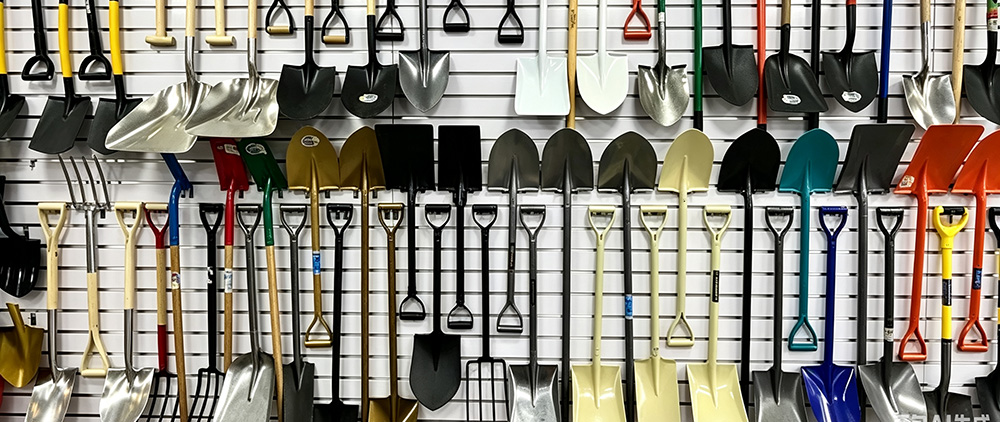
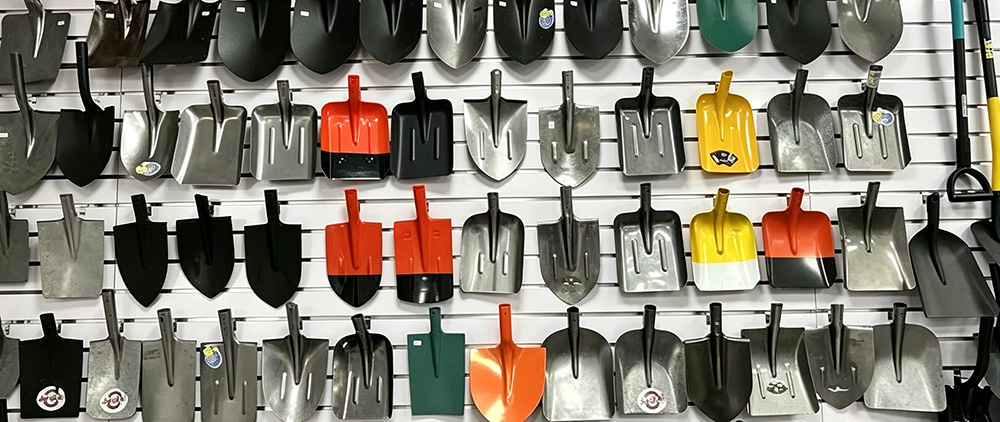
A look at Tianjin Jinyuan's production floor, warehouse setups, and inventory management capacities.
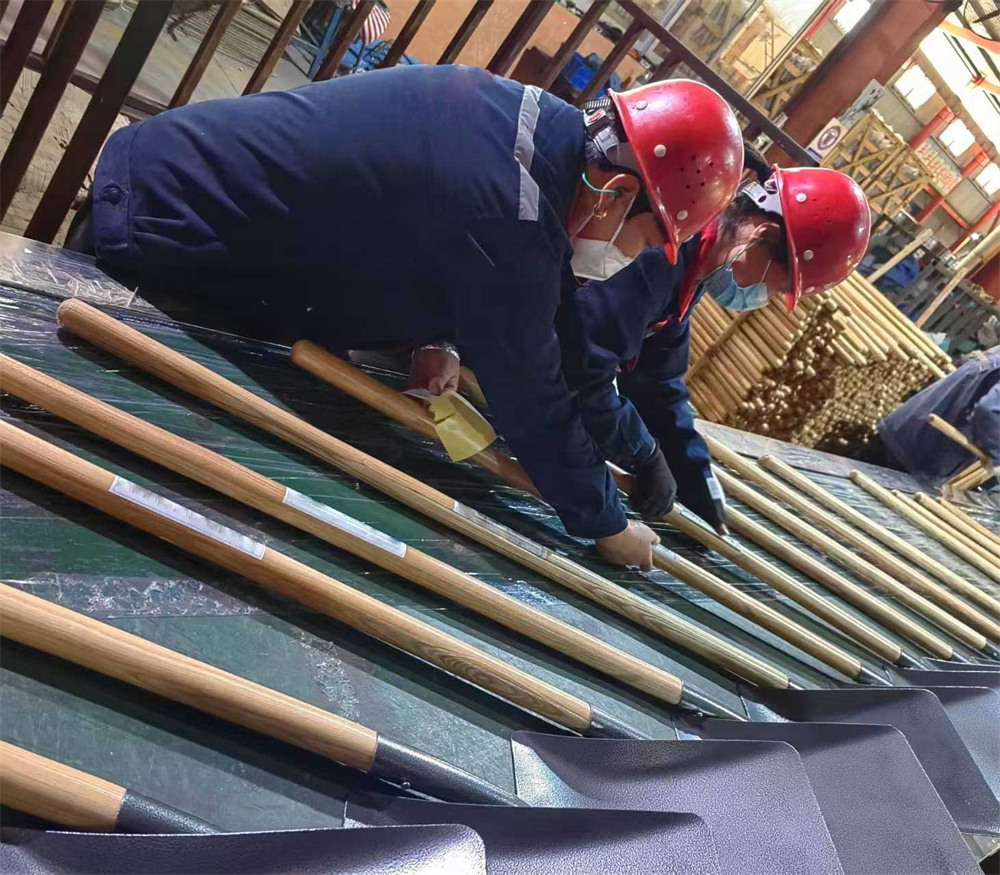
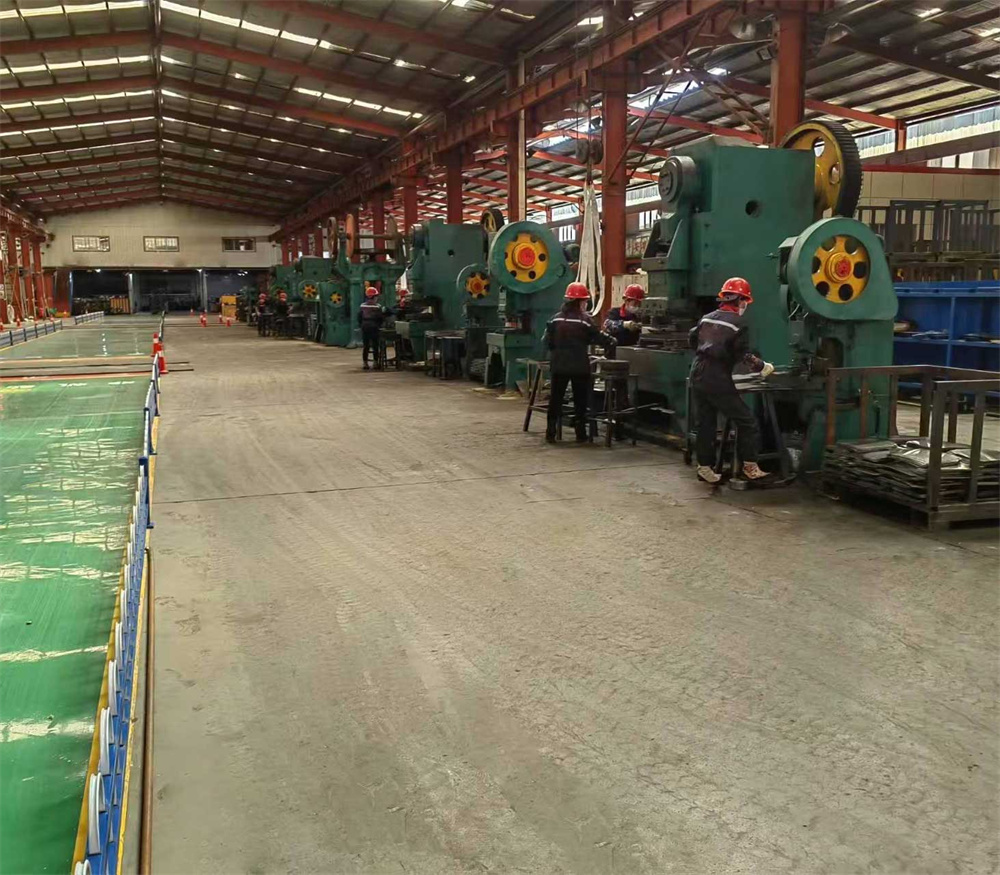
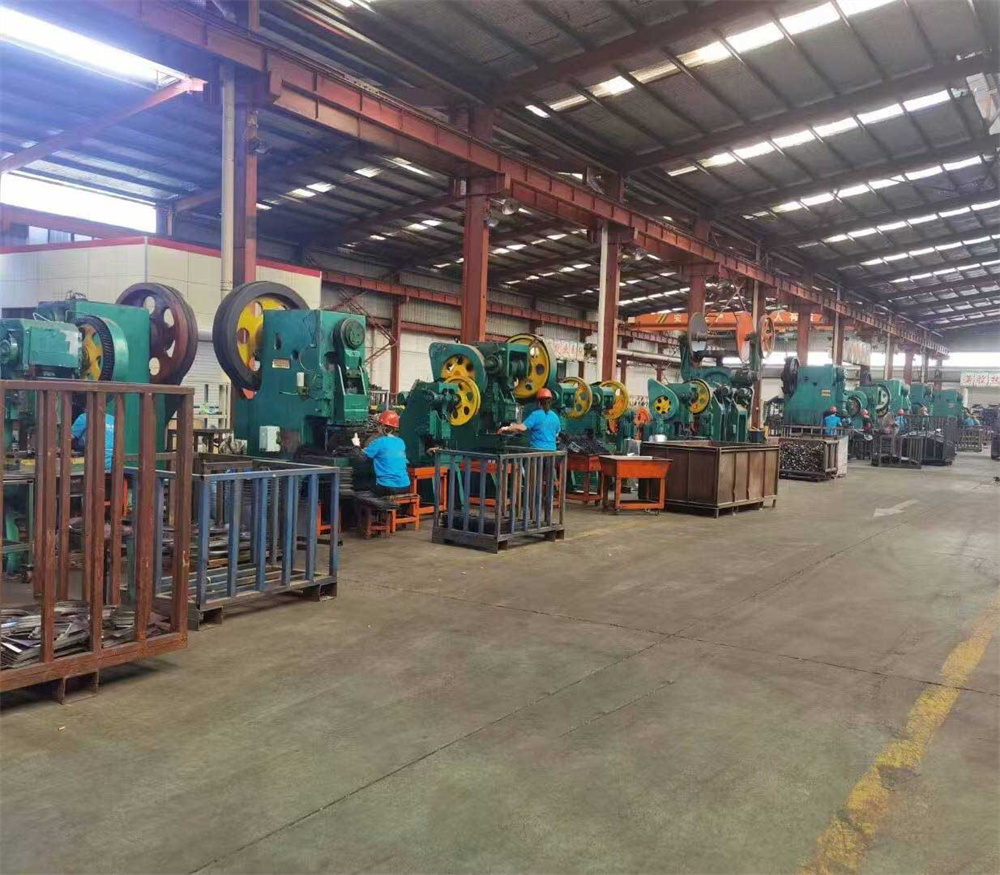
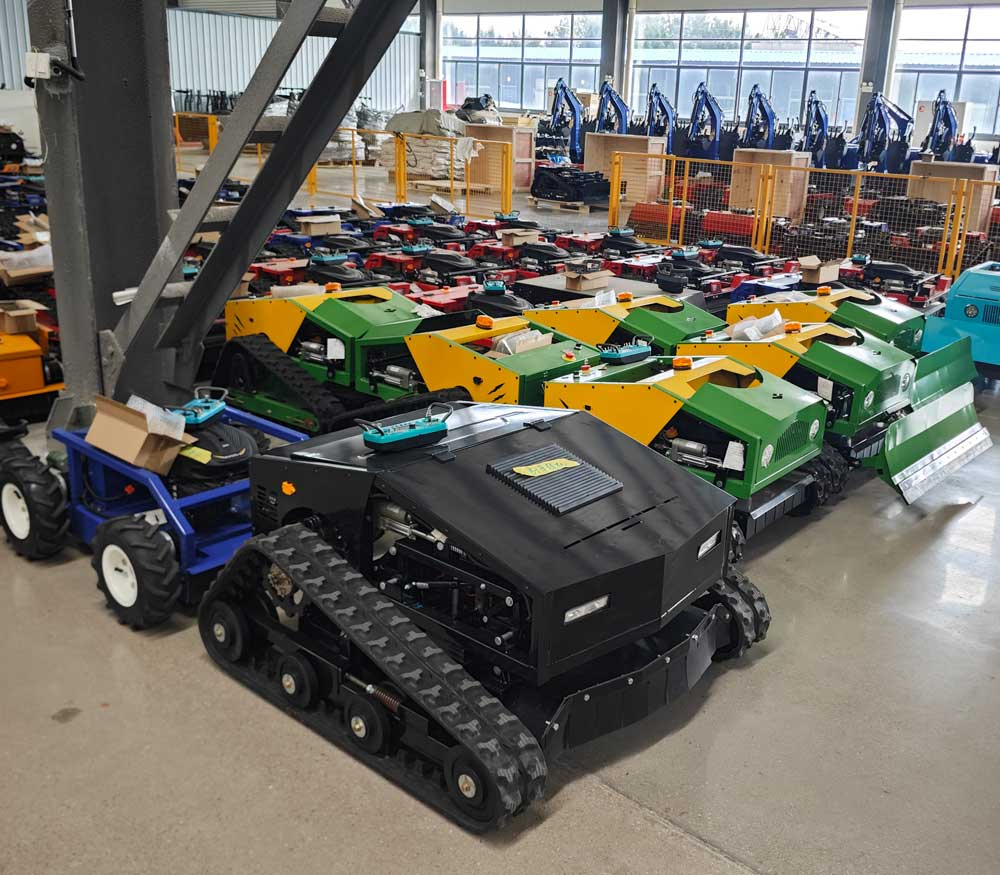
How different agricultural setups benefit from optimized cutter-tiller configurations.
Orchards and vineyards require regular weed clearing to prevent competition for soil nutrients. Traditional heavy tractors damage root networks. Handheld brush cutters fitted with mini-tiller attachments allow operators to work close to tree trunks and vines, aerating the soil without causing deep structural root damage.
Urban park management teams regularly clear dense, woody overgrowth along ditches and paths. Standard nylon trimmer lines wear out quickly on dense vegetation. Transitioning to dynamic 3-tooth steel blades provides the necessary force to cut thick saplings while preserving the trimmer gearbox.
With the rise of autonomous agricultural spraying robots and crawler-mowers, durable cutting components are critical. Blade wear in autonomous setups can disrupt path planning. Selecting high-grade, heat-treated blades ensures continuous operation and minimizes maintenance intervals.
We supply high-durability, custom agricultural blades, and hand tools to B2B distributors globally. Contact our engineering team today to review blueprints, request sample batches, or obtain factory quotes.
Inquiry NowCommon questions and technical considerations from distributors, import managers, and B2B buyers.
For high-speed operation, typically between 6,000 and 10,000 RPM, dynamic unbalance should be kept under 1.5 gram-millimeters. Operating blades that exceed this tolerance causes vibration, which accelerates gearbox wear and risks operator injury.
This balance is managed through precise heat treatment (tempering). Overly hard steel (above 55 HRC) becomes brittle and can shatter upon hitting stones. Conversely, steel below 40 HRC bends easily and loses its cutting edge quickly. We temper our agricultural 65Mn steel to a target range of 48–52 HRC to achieve optimal elasticity and durability.
We provide comprehensive private label solutions. Options include laser-etched logo branding on the blade surface and custom retail packaging, such as full-color blister cards and bulk wooden crates. We tailor packaging designs to meet retail and industrial distribution requirements.
Standard OEM production runs average 30 to 45 days from confirmation of drawings and deposit. Sourcing in-stock sizes and geometries can reduce this lead time to 15 to 20 days.
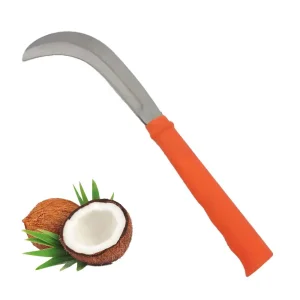
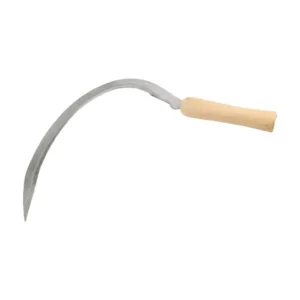
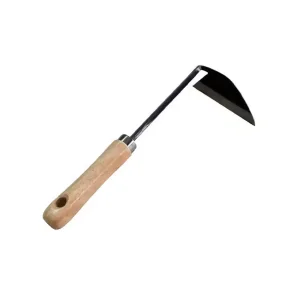
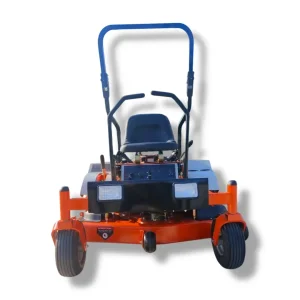
Explore our agricultural machinery, zero-turn systems, harvesting sickles, and manual tiller components.
 Jinyuan