Why Choose a Shovel Garden Tool for Bulk Buying?

Time:2026-10-05 Author:Liam
0%

Bulk buying a Shovel Garden Tool is not merely a price decision. It is a practical response to rising maintenance demands, labor costs, and replacement needs.

Grand View Research reports continued growth in the global gardening equipment market through 2030. Its analysis links expansion to home gardening, landscaping services, and professional grounds maintenance. The 2023 National Gardening Association report also shows strong consumer participation in gardening across the United States. More users mean more worn handles, damaged blades, and urgent replacement orders.

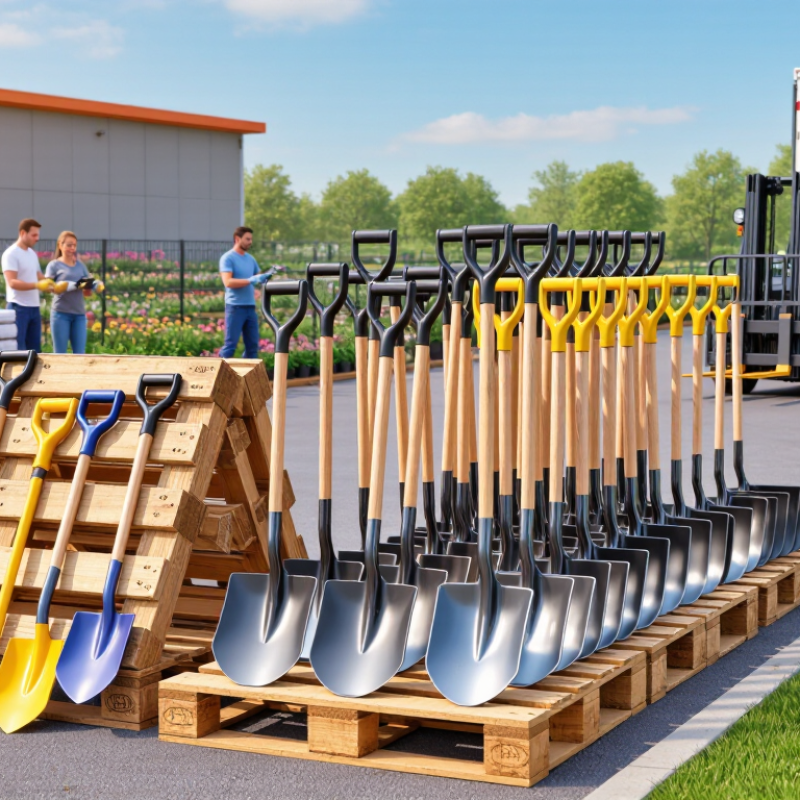
For nurseries, schools, landscapers, municipalities, and garden retailers, purchasing in volume can improve stock consistency. A standard shovel size simplifies training. Reinforced steel blades can handle compacted soil, while ash or fiberglass handles offer different durability and comfort levels. The right choice depends on soil, workload, storage, and user strength. It is not always the cheapest option.

Horticultural economist Charlie Hall has described the green industry as “an industry of passion.” That passion still needs disciplined purchasing. A bulk order should include handle inspections, blade thickness, warranty terms, packaging quality, and freight calculations. These details matter when dozens of tools arrive on one pallet.

The data supports growth, but it does not remove uncertainty. Reports often group shovels with broader gardening equipment, making shovel-specific demand difficult to measure. Buyers should test samples before committing to hundreds of units. A lower unit price can become expensive if handles split, grips loosen, or workers avoid uncomfortable tools. Bulk buying works best when durability, safety, and actual field experience guide the decision.
Why Choose a Shovel Garden Tool for Bulk Buying?

What Is a Shovel Garden Tool and What Is It Used For?

A shovel garden tool is a hand tool with a blade, shaft, and grip. Its blade cuts soil, lifts compost, and moves mulch, gravel, or snow. A pointed blade suits firm ground. A square blade moves loose material more efficiently. In daily use, the difference is obvious: one cuts a clean trench, while the other fills a wheelbarrow quickly.

Garden shovels support planting, transplanting, edging, and soil improvement. They also help remove roots and mix organic matter around beds. Grand View Research valued the global gardening equipment market at about USD 79.1 billion in 2022, with continued growth projected through 2030. This demand supports bulk purchasing for farms, schools, landscaping teams, and community gardens. Still, buying many tools is not automatically economical. Poor steel, weak sockets, or uncomfortable grips can create replacement costs.

Tips: Check the blade thickness, shaft alignment, grip comfort, and weld quality before ordering. Test one sample in compact soil first. The U.S. Consumer Product Safety Commission repeatedly emphasizes safe tool handling and protective equipment in injury-prevention guidance. Keep the blade sharp, wear gloves, and store each shovel dry. A small mistake here matters. Bulk orders should include several sizes, because one shovel rarely suits every task. Personally, I would choose durability over the lowest price, although even durable tools can fail under careless use.

Which Shovel Types Suit Different Gardening Tasks?

When buying shovels in volume, match each type to the gardening task, not merely the carton price. The 2023 National Gardening Association survey reported that 80% of U.S. households participated in gardening during 2022. That broad demand creates mixed tool requirements. A round-point shovel cuts through compact soil and supports planting trees. A square-point shovel moves compost, mulch, and loose soil efficiently. A narrow transplanting shovel fits between crowded perennials. Small beds need precision. Scoop shovels handle lighter materials, but they are poor choices for hard ground.

Bulk purchasers should also consider user strength, soil conditions, and storage space. The USDA National Agricultural Statistics Service recorded about 1.9 million farms in its 2022 Census of Agriculture. Large growing operations often need consistent tools for repeated digging and loading. Fiberglass handles can reduce splintering, while steel shafts tolerate demanding work. Yet heavier is not always better. A tool that feels strong may cause fatigue after several hours. I have seen teams buy one universal shovel and regret it during transplanting season. Measuring blade width, handle length, grip comfort, and replacement availability makes the order more reliable. Still, product specifications cannot replace a short field test in wet clay or dry, rocky soil.

Why Choose a Shovel Garden Tool for Bulk Buying?

Which shovel types suit different gardening tasks?

The chart compares the practical suitability of common shovel types for typical gardening tasks on a 1–5 scale. Digging shovels are best for breaking and turning soil, border spades provide control for edging, transplanting shovels work well in confined spaces, and scoop shovels are more suitable for moving loose materials. A mixed bulk order can cover routine soil preparation, planting, and material handling needs.

What Factors Matter When Buying Shovels in Bulk?

Why Choose a Shovel Garden Tool for Bulk Buying?

What Factors Matter When Buying Shovels in Bulk?

Buying shovels in bulk requires more than comparing the lowest unit price. Start with the soil and tasks. A pointed blade suits compact ground, while a broad blade moves compost and loose soil efficiently. Blade thickness matters too. Thin steel may bend during heavy digging. Hardened steel usually offers better resistance to wear, but its quality should be verified through supplier specifications and sample testing.

Handle design affects daily comfort and productivity. Check the total length, grip shape, shaft strength, and connection between the blade and handle. A smooth grip helps reduce blisters during repeated work. Fiberglass handles can resist moisture, while treated wood offers a familiar feel. Fit matters. Workers of different heights may need different shovel lengths. A single size can create unnecessary strain.

I once inspected a shipment where several handles felt slightly loose. The problem seemed minor, but small defects multiply across a large order. Request pre-production samples, dimensional drawings, material details, and load-test records. Inspect blade edges, welds, surface coating, and packaging before approving the full quantity. Ask how damaged tools, replacement parts, and delivery delays are handled. Reliability shows in written processes, not friendly promises. Packaging also deserves attention; poorly protected blades can arrive scratched or bent. Bulk buyers should record inspection results and keep a small reserve for replacements. The cheapest quote may become expensive after rework, returns, and uneven tool performance.

How Does Bulk Buying Improve Cost and Supply Management?

Buying shovel garden tools in bulk can improve both unit cost and supply control. Larger orders often reduce packaging, freight, and repeated purchasing expenses. However, the lowest quote is not always the best value. A shovel with a weak socket or poorly balanced handle may create replacement costs later. Review blade thickness, handle material, grip comfort, and expected working conditions before ordering.

Bulk purchasing also makes supply planning more predictable. A landscaping team can keep spare shovels in a dry storage room instead of waiting for urgent deliveries. Set a reorder level based on seasonal demand, staff numbers, and tool loss. Keep a simple inspection record for each shipment. Check ten units from different cartons, not only the top layer. I once approved a delivery too quickly, and several handles showed small cracks after use. That mistake changed our receiving process.

Tips: Compare the full delivered cost, including freight and storage. Request a sample before committing to a large quantity. Divide the order into scheduled deliveries when warehouse space is limited. Label cartons by size and intended use. Store metal blades away from standing water. Keep a small reserve, but avoid buying more than one season can reasonably consume. Forecasts can be wrong. Review them regularly.

How Can Buyers Check Shovel Quality and Supplier Reliability?

For bulk shovel buying, a low unit price can hide weak sockets, uneven edges, or split handles. These defects create costly returns during busy gardening seasons. In hands-on procurement, inspect random samples, not only the polished sample sent by a supplier. Check blade thickness with calipers, then press the socket against a firm surface. A loose joint is a warning. The handle should feel straight, dry, and balanced. Small cracks around the eye deserve rejection.

A dependable supplier provides material specifications, production photos, inspection records, and a clear replacement process. Request pre-shipment checks for blade size, coating, welds, handle moisture, packing, and quantity. Do not rely on promises alone. Compare the approved sample with the packed goods. Check lead-time history through recent buyer references, rather than seller-selected testimonials. Ask how production capacity changes during peak gardening months. Clear answers usually reveal more than attractive catalog images.

A small trial order often reveals more than a long negotiation. Use the shovels on real soil when possible, recording bending, grip comfort, and edge damage after repeated work. Keep a written checklist for every shipment. I have seen buyers focus on steel hardness while overlooking handle finish; that shortcut later caused complaints. Factory videos can look convincing. They are not proof. Independent inspection adds cost, but it may expose inconsistent batches before loading. Lab data also has limits, because field conditions vary.

FAQS

What is a garden shovel used for?

It cuts soil, lifts compost, and moves mulch, gravel, or snow. A pointed blade makes clean trenches. A square blade moves loose material faster.

Which shovel suits compact soil?

Choose a round-point shovel for firm ground and tree planting. Its pointed blade can cut through dense soil. Still, very rocky ground may require extra effort.

Which shovel is best for compost and mulch?

A square-point shovel moves loose compost, mulch, and soil efficiently. It can fill a wheelbarrow quickly. It is not ideal for hard ground.

What shovel works between crowded plants?

A narrow transplanting shovel offers better control in small beds. It fits between perennials and helps move young plants. Precision matters here.

Should bulk buyers choose one universal shovel?

Usually, no. Different tasks need different blade shapes and sizes. One universal shovel may cause fatigue during long work or transplanting.

How can buyers check shovel quality?

Inspect blade thickness, shaft alignment, socket strength, welds, and grip comfort. Look for cracks around the blade connection. Test a sample in real soil.

What should buyers ask a supplier before ordering?

Request material specifications, inspection records, production photos, packing details, and replacement terms. Ask about lead times during busy seasons. Vague answers deserve caution.

Is the lowest unit price a good choice?

Not always. Weak steel, loose sockets, or split handles can create replacement costs. I would favor durability, but careless use can still damage strong tools.

Why is a trial order useful?

A small trial order reveals bending, edge damage, grip discomfort, and uneven quality. Use the tools in wet clay or dry, rocky soil. Catalog images cannot show everything.

How should garden shovels be stored and maintained?

Keep blades sharp, wear gloves, and store each shovel dry. Check handles and joints regularly. A small crack can become a serious failure.

Conclusion

A Shovel Garden Tool is a practical hand tool designed for digging, lifting, turning, and moving soil, compost, mulch, and other garden materials. Different shovel types serve different purposes: pointed blades are useful for breaking hard ground, flat blades help move loose materials, and narrow designs are suitable for planting or working in tight spaces. Selecting the right type improves efficiency and reduces physical effort across landscaping, farming, and gardening tasks.

For bulk buyers, blade material, handle strength, grip comfort, size, weight, finish, and overall durability are important considerations. Purchasing in larger quantities can reduce the average unit cost, simplify inventory planning, and help maintain a steady supply during busy seasons. Buyers should inspect samples, review product specifications, confirm packaging and delivery terms, and evaluate supplier communication, production consistency, and after-sales support. These checks help ensure that bulk orders provide reliable performance and long-term value.


Liam

Liam

Liam is a dedicated marketing professional with a profound expertise in the industry, where he excels at highlighting the unique advantages of our core products. With a keen understanding of market trends and consumer needs, Liam frequently updates our company’s professional blog, providing......