Shovel Farm Tools remain essential on farms, even as machinery becomes more advanced. A well-made shovel can open planting holes, move compost, clear drainage channels, and repair soil around young crops. It reaches places tractors cannot. That matters beside greenhouse beds, narrow irrigation lines, and muddy field edges.
Agricultural equipment specialist Dr. Elena Marquez describes the principle clearly: “A farm shovel should match the soil, the task, and the worker using it.” Her point is practical. A broad blade moves loose compost efficiently, while a narrow, pointed blade breaks through compacted ground. A long handle can improve leverage, but it may feel awkward in crowded beds. Small details matter.
The right tool reduces wasted effort. It can also protect the back, wrists, and crop roots. Yet no shovel solves poor technique. A heavy blade may seem stronger, but it can tire the user quickly. That weakness is easy to overlook.
This guide examines what Shovel Farm Tools are used for across everyday agricultural work. It considers digging, lifting, trenching, mixing, edging, and soil preparation. It also explains blade shapes, handle materials, grip design, and maintenance needs. Farmers often choose tools by habit. Sometimes, that habit deserves another look.
A shovel is simple. Its work is not.
From vegetable plots to livestock areas, the right shovel supports cleaner, faster, and more controlled farm operations. The best choice depends on soil texture, workload, crop spacing, and the worker’s experience. There is no universal model. Practical judgment still matters.
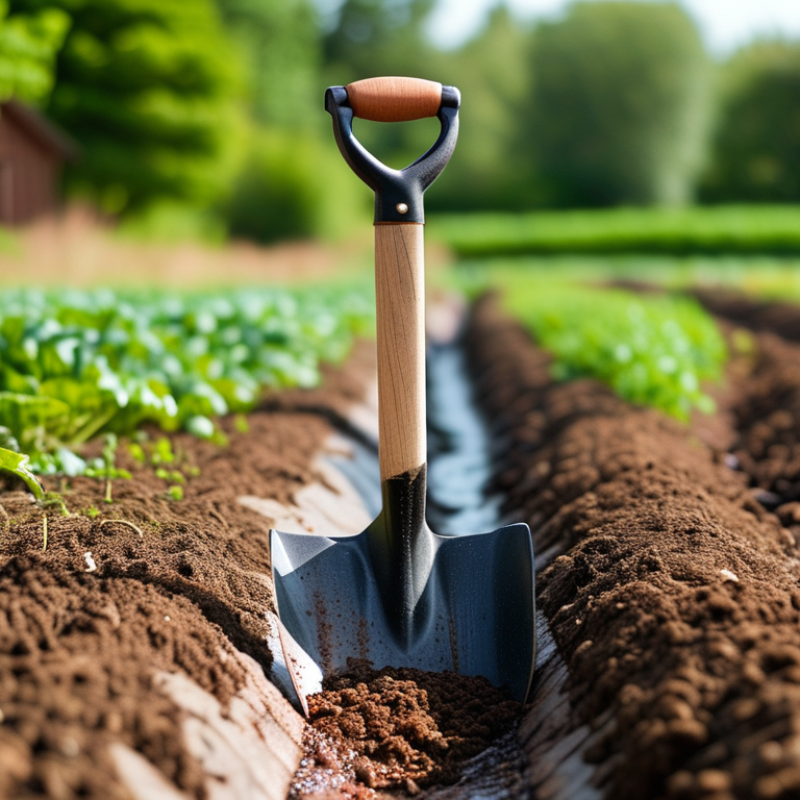
A shovel farm tool is a hand tool for lifting, moving, and cutting soil. It usually has a strong handle and a broad metal blade. The blade may be flat, pointed, narrow, or slightly curved. Each shape supports a different task. A pointed blade enters compacted ground more easily. A flat blade moves loose soil, compost, or animal bedding efficiently. On small farms, workers often use shovels around vegetable beds, storage areas, irrigation channels, and fence posts.
A shovel is useful for turning soil, filling planting holes, and clearing stones. It can also load manure into a wheelbarrow or spread damp bedding across a stable floor. The correct technique matters. Keep both hands on the handle and lift with your legs, not your back.
Check the blade before use. A loose handle can reduce control and cause injury. Even experienced workers sometimes choose a blade that is too large for wet soil. That mistake makes the work slower. I think tool selection deserves more attention than it usually receives.
Tips: Match the blade to the soil. Use a pointed shovel for hard ground and a flat shovel for loose material. Keep the blade clean and dry after use. Sharpen its edge carefully when digging becomes difficult. Stop if the handle feels cracked, bent, or unstable. A smaller shovel may seem slower, but it often provides better control in tight beds.
What Are Shovel Farm Tools Used For?
Which Farm Tasks Require Different Shovel Types?
A round-point digging shovel suits loose soil, compost, and planting holes. Its curved blade cuts through garden beds with less wrist strain. I use it for turning soil, but wet clay still demands patience and a firm stance. A narrow trenching shovel works better around irrigation lines and drainage channels. Its slim blade removes soil without widening the trench unnecessarily. Check underground utilities before digging.
A flat spade handles cleaner, more controlled cuts. Farmers use it to divide perennials, shape bed edges, scrape manure, and lift compact slabs of soil. It also helps repair shallow paths. The edge matters here. A sharp blade enters turf more cleanly than a rounded one. I sometimes expect a spade to loosen hard ground, yet that usually wastes energy and bends the handle.
For loose materials, a scoop shovel is more practical. Its broad blade moves grain, mulch, feed, and light compost quickly. Avoid overloading it, especially when the material is damp. A snow shovel belongs to colder farms, where it clears walkways and protects animal access points. For transplanting seedlings, a small pointed trowel offers better control around delicate roots. Match the tool to the material, depth, and available space. This simple choice reduces strain, although it does not prevent every mistake.
Different shovel designs are suited to different farm tasks. The chart shows the primary applications of common shovel types.
How to read the chart: 1 indicates a common primary use, while 0 indicates that the shovel is not normally designed for that task.
A shovel is a practical farm tool for loosening soil, shaping planting holes, and removing unwanted roots or stones. During soil preparation, its blade breaks compacted ground and improves space for air and water. I test moisture before digging. Soil should hold briefly when squeezed, then crumble easily. Wet soil smears against the blade and forms dense clumps. Dry soil may resist the blade and require excessive force. That difference matters. I have made this mistake before.
For shallow-rooted herbs, loosening the upper soil layer is often enough. Deeper crops need a wider, deeper planting zone for strong root growth. I use the shovel to turn compacted soil gently, then mix in mature organic matter when the soil needs better structure. Removing large stones also helps roots develop evenly. Still, I sometimes dig too deeply. More digging is not always better. Excessive turning can disturb useful soil layers and expose moisture to rapid evaporation.
When planting, I place the shovel blade vertically and press down with my foot. The hole should fit the seedling’s roots without bending them sharply. I set the plant at its original soil level, then return the loosened soil around the roots. Firm pressure removes large air pockets, but pressing too hard can restrict drainage. I water slowly near the stem and watch how quickly the soil absorbs it. A shovel also helps create shallow channels between rows, guiding water without washing soil over young plants.
On a working farm, a shovel is a simple tool for moving loose materials quickly. Farmers use it to load soil, compost, sand, gravel, and bedding into carts or wheelbarrows.
A square blade suits neat piles and flat surfaces.
A pointed blade penetrates compacted earth more easily.
The choice matters. Wrong blade, slower work.
When moving a pile, a farmer stands close and keeps both feet stable. The shovel enters near the pile’s edge, not underneath a deep section.
A smaller scoop reduces strain when material is wet or heavy. After lifting, the load travels a short distance before being placed in the cart. This method limits twisting and protects the lower back.
For grain or dry feed, a broad, lightweight shovel can transfer material between bins. The work still needs care.
Dust may irritate the eyes and lungs, so ventilation and suitable protection are sensible.
Moisture changes everything.
Damp compost clings to the blade, while dry soil spills before reaching the cart. Farmers often adjust the scoop size, pace, and lifting angle.
I would not treat speed as the main measure of skill.
A rushed lift can damage the back or scatter valuable material. Cleaning the blade after use also prevents corrosion and keeps the edge predictable.
Small adjustments often make heavy work more controlled.
A shovel may move soil, compost, grain, manure, or stones, but safe use starts before digging. Experienced farm workers inspect the blade, shaft, grip, and connection points each morning. A loose handle can twist suddenly and injure the hands or back. The blade should match the task and soil condition. A narrow blade suits deeper digging, while a broad blade moves loose material efficiently.
Wear sturdy boots with slip-resistant soles and gloves that allow a firm grip. Eye protection helps when dry soil or small stones may fly. Keep the work area clear of hoses, tools, and hidden debris. Check the ground for buried cables or irrigation lines before breaking soil. Never swing a shovel near another person. Leave enough space for the full movement.
Lift with bent knees and a straight back. Keep the load close to the body, then turn with the feet instead of twisting the waist. Smaller loads are safer, even when the job takes longer. They are often faster in the end. Take short breaks during repeated digging, especially in heat. Water, shade, and dry gloves reduce fatigue-related mistakes. I have rushed this work before, and tired technique becomes careless quickly. Damaged tools should be removed from service, not placed beside the shed for “later.”
: A shovel loosens compacted soil and improves space for air and water. Test moisture before digging. Soil should hold briefly when squeezed, then crumble. Wet soil smears, while dry soil resists the blade. I sometimes dig too deeply.
Shallow-rooted herbs usually need only the upper soil layer loosened. Deeper crops need a wider planting zone. Turn compacted soil gently and add mature organic matter when structure is poor. More digging is not always better.
Place the blade vertically and press down with your foot. Make the hole wide enough for the roots without sharp bending. Set the plant at its original soil level. Firm the soil lightly around the roots.
Use the shovel to form shallow channels between planting rows. These channels guide water toward plants. Water slowly near the stem and watch absorption. Deep channels may wash soil over young plants.
A square blade works well for neat piles and flat surfaces. A pointed blade enters compacted earth more easily. A broad, lightweight blade suits dry grain or feed. Wrong blade, slower work.
Stand close to the pile with both feet stable. Take material from the edge instead of digging beneath a deep section. Use smaller scoops for wet or heavy loads. Keep the load close to your body.
Wear sturdy boots with slip-resistant soles and gloves with a firm grip. Eye protection helps when dry soil or stones may fly. Keep hoses and loose tools away from the work area. Check for buried irrigation lines before digging.
Bend your knees and keep your back straight. Turn with your feet instead of twisting your waist. Take short breaks during repeated work, especially in heat. Clean the blade after use and remove damaged tools from service. I have rushed this before.
Shovel Farm Tools are essential hand implements designed to cut, lift, turn, and move soil and other farm materials. Different shovel shapes and blade designs suit different tasks: pointed blades can break compacted ground, flat blades help move loose soil, and narrow blades are useful for working in tight planting areas. Choosing the right type improves efficiency while reducing unnecessary effort.
Farmers use shovels to prepare seedbeds, dig planting holes, cover roots, remove weeds, and create small drainage channels. They also move compost, manure, gravel, sand, harvested crops, and other materials around the farm. Safe use requires selecting a comfortable tool, checking that the handle and blade are secure, wearing suitable footwear and gloves, and using proper lifting technique. Workers should keep a balanced stance, bend their knees, avoid twisting while carrying heavy loads, and store shovels safely after use.

Jinyuan