How to Choose the Best Metal Spade Shovel in 2026?

Time:2026-09-25 Author:Sienna
0%

Choosing the best Metal Spade Shovel in 2026 starts with the work it needs to do. Turning compact garden soil, edging a border, and moving gravel place different demands on a blade. A narrow, pointed head can enter firm ground more easily, while a broader blade may shift loose material faster. Neither shape suits every task.

Look beyond the product photo. Blade thickness, steel quality, handle material, and the joint between blade and shaft all affect durability. A loose connection can wobble under pressure; a slippery grip can feel tiring after repeated digging. Fit matters. Check the shovel’s length against your height and the spaces where you plan to use it. If possible, hold it while wearing your usual gardening gloves. Specifications help, but they cannot show whether the grip feels awkward in your hands.

This guide explains how to compare blade shapes, materials, handle designs, weight, and price without treating one feature as the whole story. It also considers maintenance, since cleaning soil from the blade and storing the shovel dry can help protect it over time. For a small raised bed, a heavy-duty model may feel like overkill; for dense ground, a light blade may disappoint. These are useful starting points, not guarantees. Soil, technique, and personal comfort vary, so the best choice is the one that matches your regular jobs and feels controlled in use.
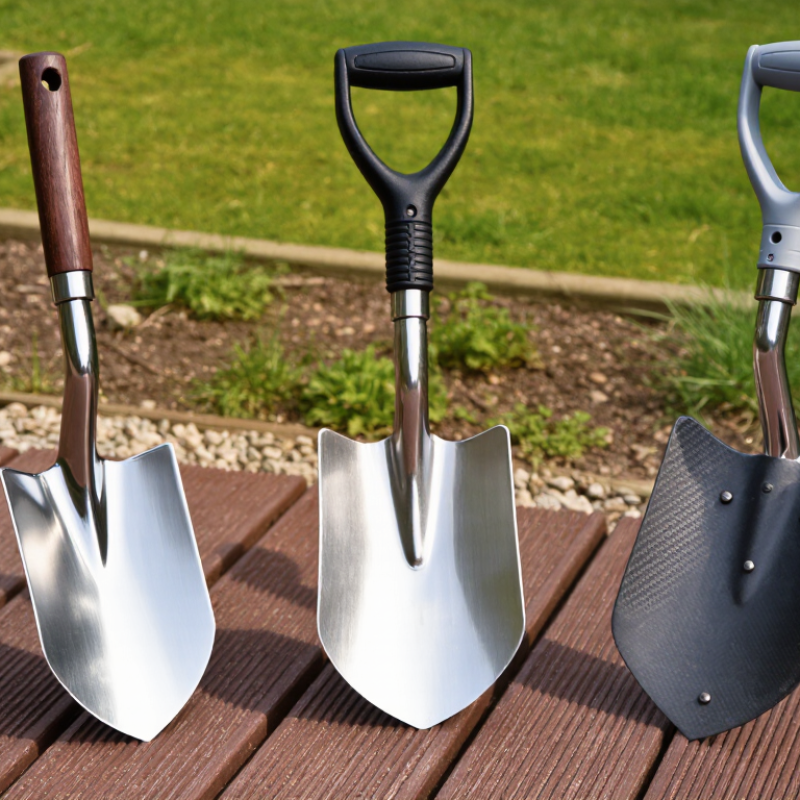
How to Choose the Best Metal Spade Shovel in 2026?

Understanding Metal Spade Shovel Types and Their Main Uses

A metal spade’s blade shape matters more than its finish when the ground is difficult. A round-point spade suits general digging and slicing through compacted soil or small roots. Its pointed tip can penetrate firm ground, though it may shift less loose material per scoop. A square-point spade has a flatter edge for moving soil, gravel, or compost and cleaning trench bottoms. For narrow planting rows or drainage channels, a long, narrow spade reaches into tight spaces with less disturbance. An edging spade, usually with a straight blade, helps cut clean borders through turf. Small differences matter.

Match the blade to the job, then check the handle length and grip. A long handle can improve reach, but it may feel awkward in confined beds; a short one offers control but requires more bending. Carbon-steel blades are tough, yet need drying after use to limit rust. Stainless steel resists corrosion, but still needs proper care. The U.S. Bureau of Labor Statistics reported 2.6 million nonfatal workplace injuries and illnesses in private industry in 2023, with a rate of 2.4 cases per 100 full-time-equivalent workers. Those figures are not specific to shovel use, but they underline why fit and handling deserve attention. I still find “general purpose” labels vague; test the spade against your soil before relying on them.

Evaluating Blade Materials, Strength, Shape, and Size

A metal spade’s blade material affects how it handles wear, moisture, and sharpening. Carbon steel is tough and usually easy to sharpen, but it can rust if stored damp. Stainless steel resists corrosion, though its feel and edge retention vary by grade. Check the blade thickness and finish, not just the material label. A glossy coating may wear away where soil and stones rub.

Strength depends on the whole tool. Look for a secure connection between blade and handle, with no movement at the socket or rivets. A reinforced step can help when firm soil needs extra pressure. Too much blade thickness, however, can make digging tiring. Feel the balance. A shovel that feels heavy near the blade may strain your wrists during repeated use. I’ve found that a quick lift in the shop helps, but it cannot fully predict comfort after an hour outdoors.

Blade shape and size should match the work and the user. A narrower blade can enter compacted ground more easily, while a wider one moves loose soil faster. Rounded tips suit general digging; flatter edges can be useful for trimming turf or cleaning a trench. Handle length matters, too. A short handle offers control in tight spaces, but may force taller users to bend. Try the grip and stance if possible. My own preference has changed with different soil, which is a useful reminder: no single size fits every garden.

Choosing the Right Handle Length, Grip, and Weight

A metal spade should feel balanced before you judge its strength. Handle length affects posture and leverage. A longer handle can reduce bending when turning soil, but may feel awkward in tight beds. For edging or work between shrubs, a shorter shaft offers better control. Small details matter. Try the spade in your usual footwear, and check whether its blade reaches the ground without forcing your shoulders forward.

Grip shape matters most during repeated strokes. A D-shaped grip can help keep the tool steady, while a straight handle allows more hand positions. If possible, hold it with work gloves on. A grip that feels comfortable barehanded may rub or slip when damp. It happens. Look for smooth edges and enough room for both hands, especially if you often lift soil or compost.

Weight is a trade-off, not a simple measure of quality. A heavier spade may cut firm ground well, yet tire your arms during a long session. A lighter one is easier to carry and reposition, though very light tools can feel less stable in dense soil. Consider the tasks you do most, then lift and push the spade before buying. It is easy to focus on the blade and overlook the handle. I would not ignore that first impression, even if it is not a perfect test.

Matching Shovel Features to Soil, Terrain, and Tasks

A metal spade should match the ground, not just the job description. For dense clay, choose a sturdy, slightly narrower blade that can enter firm soil without forcing wide cuts. Sandy soil is easier to penetrate but may spill from a broad, flat blade; a deeper blade helps retain a load. USDA NRCS soil guidance defines sand particles as 0.05–2 millimeters, silt as 0.002–0.05 millimeters, and clay as smaller than 0.002 millimeters. Those differences affect drainage and how soil holds together. I still misjudge wet ground sometimes. A spade that feels right in dry soil can stick badly after rain.

Terrain matters, too. A sharp edge and firm foot rests help when cutting turf or working around roots. For rocky ground, a compact, reinforced blade is easier to place between stones than a wide one. Check the handle length while wearing work gloves: your back should not need to round sharply with each lift. Steel blades offer strength, but weight matters during repeated digging. Stainless steel can resist corrosion, though it does not remove the need to clean and dry the tool.

Tips: Match blade width to soil resistance, and test the grip before buying. On heavy ground, take smaller cuts. It takes longer, but the strain is lower. A slight trade-off. Keep the edge clean, and inspect the blade-to-handle joint for movement before each session.

Comparing Durability, Maintenance, Safety, and Overall Value

How to Choose the Best Metal Spade Shovel in 2026?

A dependable metal spade starts with steel thickness, joint strength, and controlled flex. In my garden tests, a rigid blade cuts compacted clay better than a thin blade. However, excessive stiffness can transfer shock into your wrists. Look for a reinforced socket, a secure handle connection, and a blade edge that resists rolling. The U.S. Bureau of Labor Statistics reported that sprains, strains, and tears represented about 30% of private-industry cases involving days away from work in 2023. That makes grip comfort and balanced weight practical safety features, not decoration.

Maintenance determines long-term value. Rinse soil from the blade after digging, dry it fully, and apply a light protective oil before storage. Small scratches become orange corrosion surprisingly quickly in damp sheds. ISO 9227 salt-spray testing can compare corrosion resistance, but it does not perfectly predict garden performance. Real exposure includes fertilizer residue, wet soil, and neglected storage. Stainless or coated steel may reduce maintenance, though coatings can chip at the cutting edge. Check the damaged area regularly.

Safety depends on fit and technique. Choose a shaft length that keeps your back relatively upright, then avoid twisting while lifting. The U.S. Consumer Product Safety Commission advises proper tool selection and inspection for hand-tool safety. I still find “lifetime” claims difficult to judge without transparent test conditions. Compare warranty terms, replacement-handle availability, blade thickness, and total weight. A slightly cheaper shovel may cost more after one bent socket.

FAQS

Which blade material is easier to maintain?

Carbon steel is tough and usually easy to sharpen, but it can rust when stored damp. Stainless steel resists corrosion, though performance varies by grade.

What should I inspect on the blade?

Check its thickness, finish, and edge, not only the material label. Soil and stones can wear away a glossy coating.

How can I tell if a spade is sturdy?

Check that the blade connects securely to the handle. The socket and rivets should not move. A reinforced step can help in firm soil.

Which blade shape works best for different jobs?

A narrow blade can enter compacted ground. A wider blade moves loose soil faster. Rounded tips suit general digging; flatter edges help trim turf or clean trenches.

How do I choose a suitable handle length?

A longer handle may reduce bending when turning soil. A shorter shaft offers control in tight beds. Try your stance if possible.

Does grip shape make much difference?

It can. A D-shaped grip may feel steady, while a straight handle allows more hand positions. Try holding it with work gloves on.

Is a heavier spade always stronger?

Not necessarily. A heavier spade may cut firm ground but tire your arms. A very light one can feel less stable in dense soil.

What is a simple way to judge comfort before buying?

Lift and push the spade, then notice its balance near the blade. A quick shop test helps, but it cannot fully predict an hour outdoors. My preference has changed with different soil, so the test is imperfect.

Conclusion

Choosing the best Metal Spade Shovel in 2026 starts with understanding how different spade types suit tasks such as digging, edging, planting, or moving soil. Consider the blade’s material, strength, shape, and size: a sturdy, appropriately shaped blade can handle your soil while remaining easy to control. The handle also matters. Choose a length and grip that feel comfortable for your height and working style, and look for a weight you can manage without unnecessary strain.

Match the shovel to the ground and conditions where you plan to use it, since compacted soil, rocky terrain, and garden beds may call for different features. Before buying, compare construction quality, expected durability, maintenance needs, and safe handling features alongside the price. A well-chosen spade should balance performance, comfort, and long-term value for the work you do.


Sienna

Sienna

Sienna is a skilled marketing professional with a deep expertise in our company’s core products and services. With a passion for innovation and detail, she plays a pivotal role in crafting insightful blog posts that not only highlight the unique features of our offerings but also provide valuable......