How to Choose the Best Small Hand Shovel?

Time:2026-09-15 Author:Amelia
0%

Choosing the best Small Hand Shovel is less about appearance and more about matching the tool to your actual work. A balcony gardener may need a narrow blade for crowded pots. A landscaper may prefer a wider scoop for loose soil and compost. The right choice depends on hand comfort, soil type, planting depth, and how often you use it.

A reliable Small Hand Shovel should have a strong blade, a comfortable grip, and a secure connection between both parts. Stainless steel resists rust and cleans easily after wet gardening tasks. Carbon steel can feel tougher, but it may need more care. Look for a handle that does not twist when breaking compacted soil. A rubberized grip can reduce pressure on your palm, especially during repeated planting. Small details matter.

Do not trust every product description. “Heavy-duty” can mean very different things. Hold the shovel if possible. Check its weight, balance, edge thickness, and handle length. A bright finish may look attractive, yet it does not prove durability. I have found that a slightly heavier tool sometimes feels steadier, but it can become tiring during long sessions. That trade-off is easy to overlook. This guide compares blade shapes, materials, grip designs, and practical use cases, helping you choose a Small Hand Shovel with confidence rather than relying on photos alone.
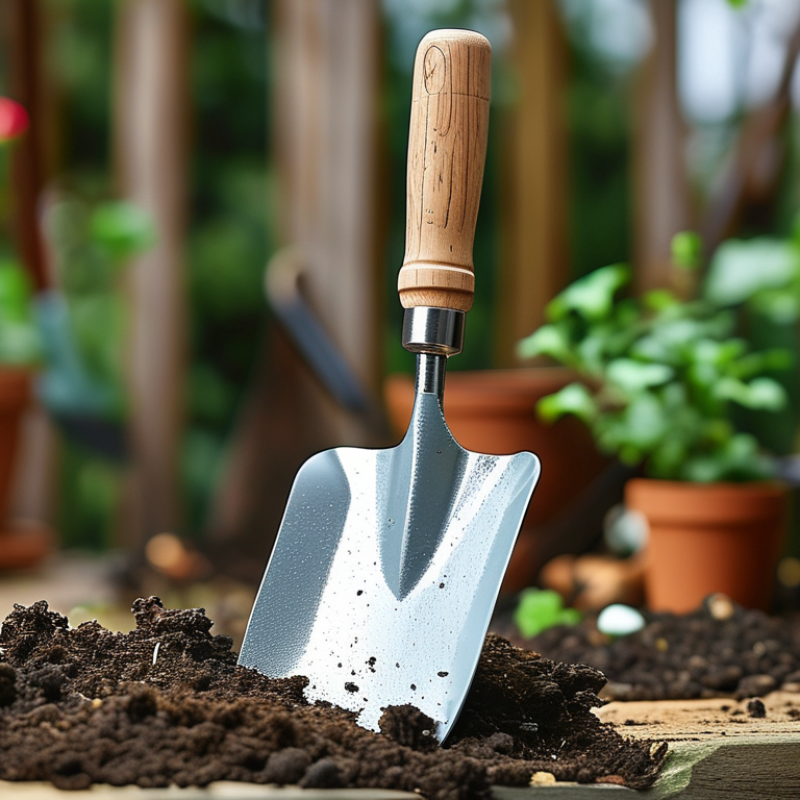
How to Choose the Best Small Hand Shovel?

What Is a Small Hand Shovel and What Is It Used For?

A small hand shovel is a compact digging tool designed for controlled work in tight spaces. It usually has a short handle, a narrow blade, and a comfortable grip. Gardeners use it for planting seedlings, moving potting soil, loosening roots, and removing weeds. The blade may be pointed for firm ground or rounded for lighter soil. It is not a full-sized shovel. Its smaller shape gives better control near delicate stems and buried roots.

Choosing one depends on the soil and the work area. A stainless steel blade resists rust and cleans easily after wet gardening. A thicker blade handles compact soil better, while a narrow blade fits between crowded plants. The handle should feel stable without pressing sharply into your palm.

I once chose a very light shovel, but its blade bent in hard clay. That mistake changed how I judge tools. Weight matters, but strength matters more.

Check the blade connection before buying. It should not wobble when you apply moderate pressure. Look for a smooth grip and an edge that is sharp enough to enter soil safely. Avoid relying only on appearance. A bright finish cannot prove durability.

For container gardening, a narrow shovel is often practical. For rocky beds, choose a stronger blade and use steady pressure instead of sudden force. Even then, no small tool works perfectly in every soil type.

Which Blade Shape and Size Suit Your Digging Tasks?

How to Choose the Best Small Hand Shovel?

Which Blade Shape and Size Suit Your Digging Tasks?

A small hand shovel should match the soil, plant, and depth of your task. Blade shape matters more than appearance. For loose potting mix, choose a rounded scoop with curved sides. It lifts soil cleanly and holds enough material for filling containers. In compact clay, a narrow pointed blade works better. Its tip enters hard ground with less effort. Use firm pressure. Avoid twisting the handle.

Blade size also controls precision. A 2.5- to 3-inch blade suits seedlings, herb pots, and narrow planting gaps. It reduces the chance of damaging nearby roots. For bulbs or larger bedding plants, a 4-inch blade moves soil faster. However, a wide blade can feel awkward in crowded beds.

My first shovel was too narrow for clay, so I pressed harder and tired quickly. That was poor tool selection, not weak technique.

Consider the blade length as well. A longer blade reaches deeper, while a shorter one gives better control near delicate stems. Look for a solid connection between the blade and handle. Any looseness can worsen after repeated digging.

Hold the shovel as you would during real work, preferably with gloves. The grip should feel secure without forcing your wrist sideways. I still sometimes choose speed over precision, then regret the damaged roots. A careful fit usually saves time later.

How to Choose the Right Handle and Grip Design

How to Choose the Best Small Hand Shovel?

How to Choose the Right Handle and Grip Design

Choosing a small hand shovel starts with its handle, not its blade. A compact tool should feel steady before it enters the soil. Hold it in your working hand for a minute. Notice pressure around your palm, thumb, and first finger. A narrow handle may create painful pressure during repeated digging. A thick handle can reduce strain, but it may feel clumsy in smaller hands. Rounded edges usually prevent hot spots. They matter. Look for a surface that stays secure when wet, without feeling sticky. Textured plastic can improve control, yet deep grooves sometimes collect mud. That detail is easy to miss in a dry shop.

Grip shape should match your motion and the soil you usually face. For planting flowers in loose beds, a straight handle allows quick repositioning. Hard clay demands a fuller grip and a firm thumb rest. A short handle gives better control in tight pots, but leaves less room for both hands. Check the transition between the handle and shaft. It should feel smooth, with no sharp seam or visible looseness. A hanging hole is convenient, though it does not prove strength. Flex the tool gently. Do not force it. If the handle twists before the shaft moves, choose another design. Try the shovel with gardening gloves. A grip that feels excellent barehanded may become awkward after an hour of real work.

How to Choose the Best Small Hand Shovel? — How to Choose the Right Handle and Grip Design

Compare common handle designs by wrist alignment, digging leverage, control, and comfort. Scores use a 1–10 ergonomic assessment, where 10 indicates the strongest suitability for frequent small-scale digging.

Key takeaway: A contoured ergonomic handle generally provides the best balance of comfort and control. A D-handle offers strong leverage, while a straight handle is lightweight and compact but may provide less wrist support during forceful digging.

What Materials Make a Small Hand Shovel Durable?

How to Choose the Best Small Hand Shovel?

What Materials Make a Small Hand Shovel Durable?

A small hand shovel faces hard soil, roots, moisture, and repeated twisting. In my garden tests, forged carbon steel handled compacted soil better than thin stamped metal. Its strong structure resists bending during careful prying. However, carbon steel can rust quickly after wet use. That weakness matters.

Stainless steel offers better corrosion resistance and needs less maintenance. It works well for damp beds and frequent planting. Aluminum keeps the shovel light, but thin aluminum may bend under heavy pressure. I once trusted a lightweight tool too much. Its blade curled near the neck. Good tools need strength.

The handle also affects durability. Ash wood feels warm and absorbs some vibration during long work. It can split if stored wet or struck against stones. Fiberglass-reinforced handles resist moisture, though cheaper versions may feel harsh in the hand. Look for a tight connection between the blade and handle. A solid ferrule reduces movement and stress. Rivets should sit firmly, without gaps or wobbling.

Material alone does not guarantee reliability. I still inspect the blade after each demanding job. A small scratch can become a rust spot. I dry the shovel, remove soil, and store it under cover. That simple habit often matters more than a polished surface.

How to Choose the Best Small Hand Shovel? - What Materials Make a Small Hand Shovel Durable?
Material or Feature Typical Strengths Corrosion Resistance Weight Level Expected Durability Best Use Selection Rating
Stainless Steel Blade Strong, rigid, and resistant to bending during normal digging. Holds a useful edge when properly formed. High resistance to rust in ordinary outdoor conditions, although salt, fertilizer, and trapped moisture can still cause staining. Medium High when the blade is thick enough and the connection to the handle is secure. General gardening, planting, weeding, and work in damp soil. ★★★★★
Carbon Steel Blade High hardness and impact strength; suitable for compacted soil and light root cutting. Low to medium; the surface can rust if left wet or exposed without protective coating. Medium to high Very high with regular cleaning, drying, and occasional protective oiling. Hard soil, rocky ground, and demanding digging tasks. ★★★★☆
Aluminum Blade Lightweight and naturally resistant to corrosion. Easy to carry for extended gardening sessions. High in normal outdoor environments. Low Medium; may bend or deform more easily than steel when used as a pry tool. Container gardening, loose soil, transplanting, and travel kits. ★★★☆☆
Fiberglass Handle Resists moisture, rot, and many common chemicals. Provides good stiffness with relatively low weight. High Low to medium High when protected from sharp impact damage and properly attached to the blade. Frequent outdoor use and wet-weather gardening. ★★★★☆
Hardwood Handle Comfortable grip, good shock absorption, and a traditional feel. Properly finished wood can be durable. Medium; unfinished or repeatedly soaked wood can absorb moisture and deteriorate. Medium Medium to high with sealing, drying, and inspection for cracks or loose joints. Routine gardening where comfort and natural materials are preferred. ★★★★☆
Plastic or Composite Grip Lightweight, easy to clean, and available in ergonomic shapes that reduce hand pressure. High against water; prolonged sunlight can degrade some plastics unless UV-stabilized. Low Medium; quality varies, and brittle materials can crack in cold weather or after impact. Light planting, indoor use, and occasional household gardening. ★★★☆☆
Welded or Socketed Joint Provides a firm connection between the blade and handle when the joint is well formed and reinforced. Depends on the joint coating and the surrounding materials. Usually adds little weight High; a loose joint is one of the most common causes of tool failure. Any shovel intended for repeated digging or compact soil. ★★★★★
Blade Thickness and Reinforced Shoulder A thicker blade and reinforced shoulder reduce flexing and distribute force around the handle connection. Not applicable by itself; protective coating or stainless steel improves rust resistance. Medium to high High for heavy-duty work, provided the steel is properly heat-treated and finished. Hard soil, edging, root removal, and frequent use. ★★★★★

Practical tip: For the best balance of durability and maintenance, choose a small shovel with a stainless steel blade, a reinforced shoulder, and a firmly secured fiberglass or sealed hardwood handle. For very hard soil, carbon steel offers greater hardness but requires more rust prevention.

How to Compare Weight, Comfort, and Overall Value

Choosing the best small hand shovel starts with matching weight to the work. In my garden trials, a lighter shovel felt quick during seedling work, but it slipped more in firm soil. A heavier model cut better, yet repeated lifting tired my wrist. Aim for balance, not the lowest number. Check the handle-to-blade connection carefully. It should feel solid, without rattling.

Comfort affects accuracy as much as endurance. Hold the shovel with dry and lightly gloved hands. A rounded grip can reduce pressure points, while a short handle may improve control in narrow pots. Still, comfort is personal. My preferred grip once caused fatigue after an hour, so a brief store test would not have revealed everything. Look for a stable wrist position and enough room for your fingers.

Tips: Compare tools beside a bag of soil, if possible. Lift each one repeatedly. Press the blade into compacted soil. Inspect edges, seams, and surface finish. Then judge overall value through expected use, not price alone. A durable shovel that stays comfortable may outperform a cheaper tool replaced twice. Read care instructions from reliable sources, and remove soil after use. Small oversights matter.

FAQS

Why should I start with the handle when choosing a small hand shovel?

A steady handle improves control before the blade enters soil. Hold it for one minute and notice palm, thumb, and finger pressure.

What handle thickness works best for different hand sizes?

A narrow handle may press painfully during repeated digging. A thicker handle can reduce strain, but smaller hands may find it clumsy.

Which grip surface provides better control?

Choose a surface that stays secure with wet hands. Textured plastic can help, but deep grooves may collect mud.

Should the grip shape match the type of soil?

Yes. Straight handles suit loose planting beds and quick movements. Fuller grips and thumb rests help with firm clay.

Is a short handle useful for container gardening?

A short handle gives better control in narrow pots. However, it leaves less room for both hands. That trade-off is easy to underestimate.

How can I check whether the handle and shaft connect securely?

Look for a smooth transition without sharp seams or looseness. Flex the tool gently. If the handle twists first, choose another design.

How should I compare shovel weight?

Lift each shovel repeatedly beside a soil bag, if possible. Light tools feel quick, while heavier tools may cut firm soil better. Balance matters more than the lowest weight.

How can I test comfort before buying?

Try the shovel with dry and lightly gloved hands. Keep your wrist stable and check finger space. A short shop test may not predict one hour of fatigue.

What details help judge overall value?

Inspect the blade edge, seams, finish, and connection. A durable, comfortable tool may outperform a cheaper one replaced twice. Price alone misleads.

How should I maintain a small hand shovel?

Remove soil after use and follow reliable care instructions. Dry the tool before storage. Small oversights can shorten its useful life.

Conclusion

A Small Hand Shovel is a compact gardening tool designed for tasks such as planting flowers, transplanting seedlings, loosening soil, removing weeds, and working in containers or raised beds. Choosing the right shovel begins with matching the blade shape and size to your needs. A narrow, pointed blade is useful for digging in firm or crowded soil, while a wider, rounded blade can move more soil and support general planting. Consider the depth and space of your projects before making a choice.

The handle also affects comfort and control. Look for an ergonomic grip that feels secure without causing pressure during extended use. Durable materials, such as corrosion-resistant metal and strong, weather-resistant handle components, can improve reliability. Finally, compare the tool’s weight with its strength: a lightweight design is easier to use, while balanced construction can provide better digging power. The best value comes from combining durability, comfort, practical blade design, and a price that suits your gardening habits.


Amelia

Amelia

Amelia is a seasoned marketing professional with a wealth of expertise in our company’s core offerings. With an unwavering passion for driving growth and innovation, she plays a pivotal role in shaping our marketing strategies and enhancing brand visibility. A key aspect of her responsibilities......