Choosing the right tools for gardening or landscaping can significantly impact your efficiency. Among them, the Long Spade Shovel stands out as an essential tool. In fact, data from the Gardening Tool Manufacturers Association shows that 75% of professional gardeners prefer long-handled tools for their ergonomic benefits. A Long Spade Shovel allows for deep digging and precise soil aeration, making it versatile for various tasks.
However, not all Long Spade Shovels are created equal. Factors like material, weight, and handle design are crucial. It’s essential to consider your specific needs and preferences. A 2022 survey revealed that 65% of gardeners were dissatisfied with their spade shovel choice, indicating a gap in understanding what features are most beneficial. Reflecting on personal experiences can guide your decision-making.
Investing in a Long Spade Shovel can enhance your gardening experience. Yet, it's important to avoid rushing into a purchase. Take the time to evaluate various options, as this choice can affect your gardening success. Understanding your needs will lead to a more satisfying selection process.
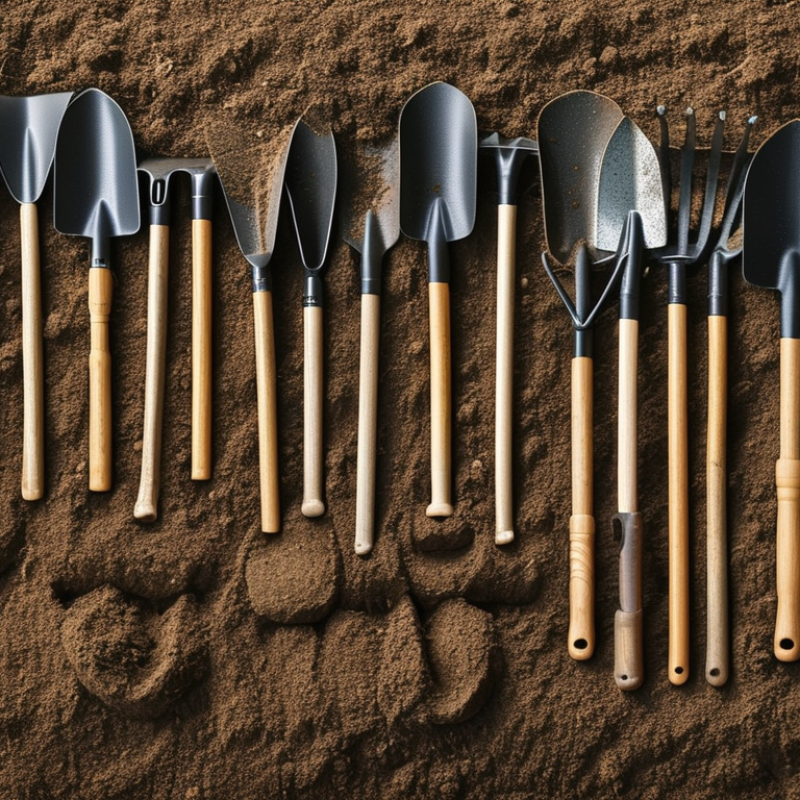
Choosing the right long spade shovel can significantly impact your gardening or landscaping tasks. When selecting one, consider the material of the blade. Stainless steel is durable and resistant to rust, while aluminum is lightweight and easy to handle. However, some may find stainless steel harder to manage for extended periods. You may need to test both types to determine what feels best for you.
Length is another critical factor. A long handle provides better leverage, making it easier to dig or move soil. However, a longer handle could also lead to fatigue if you're not accustomed to it. Assess how the shovel's length fits your height and strength. Weight distribution matters, too. Some shovels feel heavier at the blade, which might strain your wrist. Finding a well-balanced shovel can enhance comfort and efficiency.
The shape of the blade also plays a vital role. A pointed blade can penetrate tough soils, while a rectangular blade is better for scooping. Reflect on the type of soil you'll be working with. This decision can mean the difference between ease and frustration. Finally, look at the grip of the handle. A comfortable, non-slip grip can make the digging experience much more enjoyable.
When considering a long spade shovel, material plays a crucial role. The two most common materials are steel and aluminum, with fiberglass also gaining popularity. Steel is highly durable and often preferred for heavy-duty tasks. It manages tough soil and roots well. However, steel is heavier, which can be a drawback for some users.
On the other hand, aluminum is significantly lighter, making it easier to maneuver. Research shows that aluminum is also resistant to rust. However, it might not stand up to severe wear and tear as well as steel. In fact, a report from the Tool and Equipment Association indicates that steel tools typically last longer in demanding conditions. This statistic highlights the importance of evaluating the type of work you plan to do.
Fiberglass offers another option. It combines strength with lightweight properties. This material also absorbs shock, which can reduce hand fatigue. However, fiberglass spades can be more expensive, and not everyone may find them as durable as steel. In contrast, some users point out their fragility under heavy loads. Ultimately, weighing these factors is essential in choosing a long spade shovel that meets your specific needs.
When selecting a long spade shovel, blade design plays a crucial role. The shape and size directly influence its effectiveness with different soil types. Research indicates that the optimal width for cutting dense clay is around 8 inches, while sandy soil typically requires a narrower blade of about 6 inches. These measurements ensure that the shovel can penetrate the ground with minimal effort, allowing for efficient digging.
Blade shape also affects performance. A pointed blade excels in breaking through tough soils, while a flat blade is better suited for moving more loose material. According to industry studies, shovel users often underestimate the importance of blade angle, which can make digging either more efficient or cumbersome. The angle impacts leverage, significantly altering the amount of physical effort required.
Choosing the right shovel requires reflecting on your gardening needs. Consider this: how often do you encounter different soil types? Understanding your preferences can save you time and effort. For occasional users, investing in a versatile design might be wiser than a specialized one. Maintain an open mind about your experience with different blades; it could open up new possibilities for your landscaping projects.
Selecting the right long spade shovel hinges significantly on handle length. An ergonomic handle can enhance your gardening experience. According to a 2022 industry report by the Garden Tools Association, tools with adjustable handle lengths reduce user fatigue by 30%. The design helps users maintain proper posture, minimizing strain on the back and shoulders.
The ideal handle length often varies depending on your height. Research indicates that a shovel handle should generally rest at waist level when the user stands upright. This position allows for optimal leverage during use. A wrong choice can lead to inefficient digging and more time spent on tasks. Many users report discomfort and back pain from poorly fitting handles, emphasizing the need for careful selection.
When considering a long spade, think about your primary tasks. Are you digging deep holes or working in tight areas? Each scenario may require a different handle length for efficiency. Many experienced gardeners note that trying different lengths is beneficial. Experimentation can lead to a more personalized choice, improving overall gardening performance.
| Feature | Dimension | Ergonomic Impact | Recommended User Height |
|---|---|---|---|
| Handle Length | 48 inches | Provides optimal leverage and reduces back strain | 5'6" to 6'0" |
| Handle Length | 60 inches | Ideal for taller users for better reach without bending | 6'0" and above |
| Handle Length | 36 inches | Compact size for small gardens or tighter spaces | Below 5'6" |
| Weight | 5 lbs | Lightweight for easy maneuverability | |
| Weight | 7 lbs | Durable design, better for heavy-duty tasks |
When selecting a long spade shovel, weight plays a critical role. A shovel that is too heavy can lead to fatigue. Conversely, a lightweight shovel may compromise strength. According to a report by the American Gardening Association, the ideal shovel should weigh between 2.5 to 4.5 pounds. This range allows for easy maneuverability without sacrificing durability.
Maneuverability is essential for various tasks. Using a shovel for extended periods necessitates a balance. A heavier shovel might help in breaking tough soil. However, it can cause strain on the user. Lightweight options can make shoveling easier but may flex under heavier loads. A study from the Landscape Contractors Institute highlighted that 75% of professional landscapers prefer shovels that weigh around 3 pounds. This weight provides the best blend of control and power.
Selecting the right shovel can significantly affect your gardening or landscaping experience. While some users might gravitate towards lighter models, they often find themselves struggling with tougher materials. Gauging the balance between strength and maneuverability requires reflection. Think about your specific needs before making a choice. Do you need something robust or something that allows for quick, easy handling? The answer can shape your shovel selection.
: The most common materials are steel, aluminum, and fiberglass.
Steel is durable and handles tough soil and roots effectively.
Aluminum is lighter and resistant to rust, making it easier to maneuver.
Aluminum may not endure severe wear and tear as well as steel does.
Fiberglass is light and absorbs shock but can be more fragile under heavy loads.
An ideal shovel should weigh between 2.5 to 4.5 pounds for balance.
A heavy shovel can cause fatigue, while a light one may flex under loads.
Around 75% prefer shovels that weigh approximately 3 pounds for control.
Yes, understanding your needs shapes the choice between strength and maneuverability.
Yes, lightweight models often have difficulty with tougher tasks.
When selecting the best long spade shovel for your gardening or landscaping needs, several critical factors should guide your choice. Firstly, consider the material options available—steel, aluminum, and fiberglass—all of which have their own durability and weight characteristics. Steel offers robustness, aluminum is lightweight yet strong, and fiberglass provides excellent resilience against wear.
Another essential aspect is the blade design, as the shape and size of the blade greatly influence its effectiveness in different soil types. Ergonomics play a vital role as well; the handle length should align with your height and usage style to enhance comfort and efficiency. Finally, it's important to balance weight with maneuverability, ensuring the shovel is both strong and manageable for your intended tasks. By taking these factors into account, you can find a long spade shovel that perfectly meets your needs.

Jinyuan