Choosing a reliable Steel Spade Shovel manufacturer starts with the details you can inspect. Look at the blade’s thickness, the finish around its edges, and how securely the socket joins the handle. These features affect digging control and durability in compacted soil, garden beds, and landscaping work. A shovel may look sturdy in a product photo. That is not enough. Ask for material specifications, production checks, and clear product dimensions before comparing suppliers.
Manufacturing quality matters beyond the steel itself. W. Edwards Deming, a respected quality-management expert, is often quoted as saying, “Without data, you’re just another person with an opinion.” For buyers, that principle points to useful evidence: sample inspections, consistent measurements, and documented quality procedures. A dependable supplier should explain how it checks blade shape, handle fit, and surface finish, rather than relying on broad claims. Small inconsistencies can matter. A loose handle or uneven edge may become obvious after repeated use.
This guide explores what to assess when sourcing a Steel Spade Shovel from China, including materials, construction, customization, and supplier communication. It also considers practical trade-offs. A heavier blade may suit demanding ground, but it can tire users faster. There is no perfect specification for every job. The right choice depends on intended use, buyer requirements, and the evidence a manufacturer can provide. Some details still need hands-on testing. That part is easy to overlook.
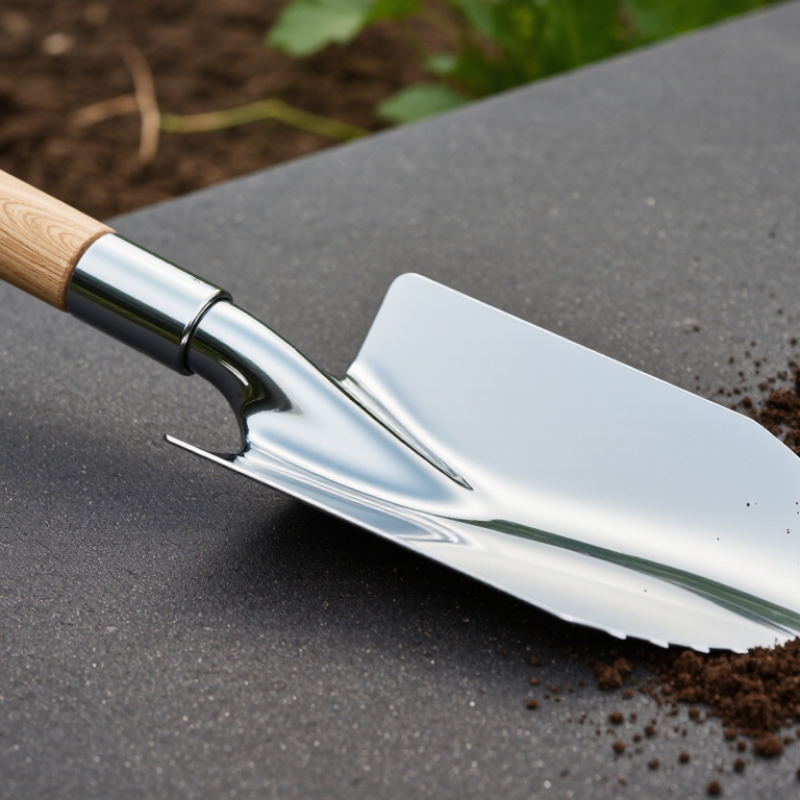
A steel spade shovel is a hand tool with a relatively flat, shaped blade for cutting soil and lifting material. Its main parts are the blade, the shaft, and the grip. The blade usually has a sharpened lower edge and raised shoulders that help contain soil. Small details matter.
A socket or tang connects the blade to the shaft. A socket fits around the shaft; a tang extends into it. The shaft may be wood, fiberglass, or metal, while the grip is commonly shaped for one or two hands. The connection deserves close inspection. A loose joint can make digging uncomfortable and reduce control, even when the blade looks sturdy.
The World Steel Association’s World Steel in Figures 2024 reports 1,892.2 million tonnes of crude steel production worldwide in 2023. This figure shows the scale of steel production, not the quality of any particular shovel. Steel grade, blade thickness, heat treatment, and joint construction all affect performance. Heavier is not always better. A thick blade may resist bending, but it can tire the user during repeated digging. Check the edge, joint, and grip as a working system; no single component tells the whole story.
| Component or Feature | Common Materials or Design | Primary Function | Practical Considerations |
|---|---|---|---|
| Spade blade | Formed steel plate; may be carbon steel or stainless steel, depending on the intended use. | Penetrates soil and supports cutting, lifting, and moving material. | Blade shape, thickness, and surface finish affect weight, durability, and suitability for different soils. Exact specifications vary by model. |
| Cutting edge | A sharpened or ground lower edge, sometimes reinforced by the blade’s formed profile. | Helps the blade enter soil and cut through roots or compacted material. | A maintained edge can improve penetration. Sharpening should follow the tool maker’s guidance and be done with appropriate safety precautions. |
| Blade shoulders and footrests | Formed areas at the upper sides of the blade; some spades have broad or rolled footrests. | Provide a place for the user’s foot to apply downward force. | Broad, smooth footrests can improve comfort and reduce pressure on footwear during digging. |
| Socket or handle connection | A socket, tang, or shaped blade fitting joined to the handle with suitable fasteners or a secure fitted connection. | Transfers force between the handle and blade. | Connection design and assembly quality are important to tool strength. Check periodically for looseness, cracks, or corrosion. |
| Shaft or handle | Common options include hardwood, fiberglass, and steel. | Provides leverage and allows the user to control the blade. | Length, material, grip, and weight influence comfort and handling. A suitable handle should be securely attached and free of damage. |
| Grip or handle end | Often a straight, T-shaped, or D-shaped end; may be made from wood, metal, or molded polymer. | Provides a handhold for pushing, lifting, and guiding the spade. | Choose a shape that feels secure and comfortable. Keep the grip clean and replace it if it becomes loose or damaged. |
| Fasteners and joints | May include rivets, bolts, or other mechanical fasteners; some designs use welded or fitted joints. | Secure the handle and blade assembly and help the tool withstand working forces. | Construction varies by design. Inspect joints and fasteners for movement, wear, or visible damage before use. |
| Typical applications | Gardening, edging, transplanting, trenching, and general soil work, depending on blade shape. | Performs controlled digging and soil cutting with a relatively narrow blade. | A spade is generally suited to cutting and shaping soil; a broader shovel is commonly used for scooping and moving loose material. |
Note: Component materials, dimensions, joint construction, and blade profiles vary among spade designs. Select a tool suited to the task and follow its care and safety instructions.
It has a shaped blade, a shaft, and a grip. The blade cuts and lifts soil. Small details matter.
A socket fits around the shaft, while a tang extends into it. Check the joint for looseness before digging.
No. A thick blade may resist bending, but it can tire your arms during repeated digging. Weight alone tells little.
A narrow blade helps with trenching. A wider blade moves loose soil faster. The best choice depends on the work.
Steel blanks are cut, pressed or shaped, and fitted with a socket. Workers may heat-treat the blade, grind its edge, and attach a handle.
It can improve strength and wear resistance. Too much hardness may make the edge brittle; too little can let it bend.
Inspect the edge, joint, grip, and alignment. A secure handle matters. A shiny coating is not proof of durability.
Field trials show whether the edge cuts packed soil and the handle stays secure. Still, one test may not predict every job.
No. Worldwide steel output describes production scale, not a particular shovel’s quality. I’d inspect the tool itself.
A Steel Spade Shovel is a practical digging tool made up of a steel blade, socket or collar, shaft, and handle. Its shape, blade thickness, edge profile, and overall balance influence how it performs in different soil conditions. In China, production typically involves shaping and heat-treating the blade, finishing its edges and surface, and securely assembling it with a suitable handle. Design choices can be adjusted to support durability, comfort, and efficient use.
Common options include pointed blades for breaking into firm ground, flat blades for general digging and moving soil, and narrower designs for work in confined spaces. When evaluating a Chinese manufacturer, buyers can consider material specifications, production experience, inspection procedures, customization capabilities, and communication. Clear quality-control practices and dependable supplier services help ensure that products meet agreed requirements for dimensions, finish, packaging, and delivery.

 Jinyuan