China Top Shovel Hole Digger Supplier for Global Buyers

Time:2026-10-10 Author:Sienna
0%

China Top Shovel Hole Digger Supplier for Global Buyers

Choosing a reliable Shovel Hole Digger supplier requires more than comparing online prices. Global buyers need consistent digging performance, durable materials, clear specifications, and responsive technical support. A dependable supplier should explain blade thickness, handle construction, grip design, working depth, and packaging details without hiding limitations.

Equipment consultant Evan Liu offers a practical observation: “A good hole digger saves effort only when its design matches the soil, user, and job frequency.” The point is easy to overlook. Hard clay, loose farmland, and landscaped soil demand different strengths. A narrow blade may improve penetration, while reinforced steel can support repeated commercial use. Comfort matters too. A non-slip handle, balanced weight, and smooth hinge can reduce hand fatigue during long workdays.

China has become an important sourcing base for hand tools and agricultural equipment. Experienced manufacturers often provide OEM options, batch inspection, private labeling, and export-ready packaging. Still, no supplier is perfect. Catalog photos may look impressive, yet field performance can vary between models and production batches. Buyers should request samples, material certificates, inspection records, and realistic delivery schedules before placing large orders.

This guide examines supplier capability, product quality, customization, pricing, and after-sales communication. It also considers details that are easy to miss, such as carton strength, spare-part availability, and corrosion protection. Careful evaluation creates fewer surprises. That is the real beginning of a dependable global purchasing relationship.
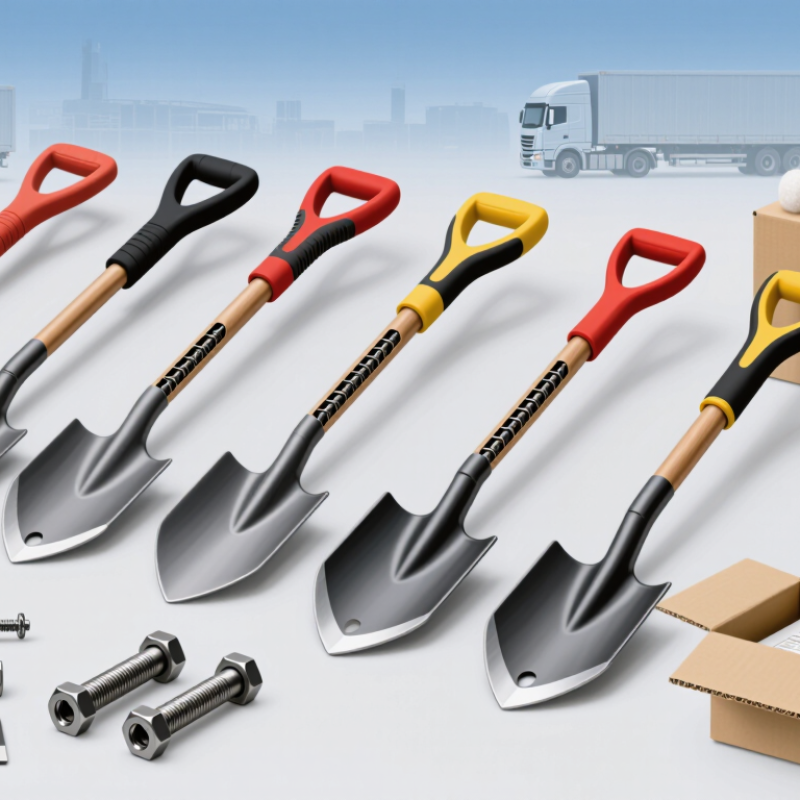
China Top Shovel Hole Digger Supplier for Global Buyers

What Defines a Top Shovel Hole Digger Supplier in China

A top shovel hole digger supplier in China offers more than a low factory price. The supplier should understand soil types, handle fatigue, and real jobsite pressure. A reliable manufacturer selects hardened steel for blades and reinforced tubing for handles. This matters when users dig compact clay or gravel. Grand View Research estimates the global hand tools market exceeded US$25 billion in 2023. That growth increases demand for consistent tools, not simply cheaper tools.

Professional suppliers provide measurable quality evidence. Look for material certificates, dimensional inspection records, and batch-based testing. ISO 9001 certification can support process control, but it does not guarantee perfect products. The supplier should also explain blade thickness, coating performance, handle length, and replacement-part availability. In my experience, a small sample test reveals more than attractive catalog photos. Check weld edges, grip stability, opening alignment, and packaging strength. One weak carton can damage an otherwise good shipment. My judgment may still be incomplete. Soil conditions vary widely between markets.

Tips: Ask for a pre-production sample and a written inspection standard. Request test photos with measurements, not only finished-product images. Compare three production batches when possible. Review the supplier’s export experience, response speed, and complaint records. A top partner accepts reasonable criticism and adjusts details without hiding defects.

Key Product Types and Features for Global Buyers

Global buyers often choose shovel hole diggers by soil condition, workload, and transport needs. Manual post hole diggers suit small gardens, fence repairs, and light construction tasks. Their twin blades remove compact soil with a simple closing action. Fiberglass or steel handles offer different balances between weight, strength, and price.

For deeper or harder ground, auger hole diggers provide more controlled drilling. Replaceable blades can reduce maintenance costs over time. Two-person models deliver greater leverage but require clear working space and coordinated handling. Hydraulic or tractor-mounted diggers support larger projects and repeated hole production. However, buyers should check mounting standards, hydraulic requirements, and replacement-part availability before ordering.

A reliable supplier should explain blade thickness, handle length, digging diameter, and tested soil performance. I have found that small details matter, especially grip texture and hinge alignment. Poor alignment causes uneven digging and operator fatigue. It happens. Buyers should request sample inspections, load testing, and clear packaging specifications. Rust-resistant coatings help during sea transport, but they do not replace dry storage. Adjustable handles, reinforced joints, and protective blade covers improve practical value. Product photos alone are insufficient; dimensional drawings and inspection records create stronger purchasing confidence.

How Chinese Suppliers Manufacture and Test Hole Diggers

China Top Shovel Hole Digger Supplier for Global Buyers

Chinese hole digger suppliers typically begin with material inspection. Steel tubes are checked for wall thickness, straightness, and surface defects. Shovel blades are stamped, shaped, and trimmed to consistent dimensions. Operators then weld the handles and blade supports using controlled fixtures. This helps maintain alignment during repeated digging. Heat treatment may improve blade hardness, but excessive hardness can make edges brittle. That balance requires practical testing, not only laboratory figures.

Quality teams inspect weld penetration, handle spacing, and moving-part clearance. They also measure blade angles with gauges before assembly. Each finished hole digger should receive a functional trial in firm soil. Testers check cutting performance, grip comfort, joint stability, and resistance to twisting. Some suppliers repeat the test after extended use. Small details matter. A loose fastener can affect the entire tool.

Export-focused factories often record batch numbers, inspection results, and packaging conditions. This documentation helps buyers trace problems and compare shipments. However, no manufacturing process is perfect. Soil type, operator strength, and storage conditions can change performance. A supplier that admits these limits appears more reliable than one promising universal results. Buyers should request sample testing, material specifications, and clear acceptance standards before placing large orders. That step may reveal weaknesses early, especially in handle alignment or blade finishing.

China Top Shovel Hole Digger Supplier for Global Buyers – How Chinese Suppliers Manufacture and Test Hole Diggers
Data Dimension Typical Specification or Practice Manufacturing / Testing Details Relevance for Global Buyers
Product Type Manual post-hole digger, clamshell digger, or shovel-style hole digger Product configuration is selected according to soil type, hole diameter, working depth, and user workload. Confirm the exact tool structure before comparing quotations because different designs are not directly interchangeable.
Common Hole Diameter Approximately 100–300 mm for common manual models Jaw width and blade geometry are formed and checked against the approved drawing or sample. Useful for fencing, gardening, landscaping, planting, and light construction applications.
Working Depth Approximately 600–1,200 mm, depending on handle length and soil conditions Manufacturers verify that the handles, pivot, and blades remain aligned during repeated opening and closing. Longer handles can improve reach but may increase shipping volume and operating effort.
Blade Material Commonly carbon steel or low-alloy steel; stainless steel may be specified for corrosion-sensitive applications Material certificates or supplier declarations can be reviewed when required by the buyer. Material selection affects hardness, impact resistance, corrosion behavior, and product cost.
Blade Thickness Common manual-tool range: approximately 1.5–3.0 mm, subject to design and load requirements Thickness is checked with calibrated measuring tools at defined inspection points. Thickness should be evaluated together with blade shape and steel grade rather than used as the only quality indicator.
Edge Condition Cutting edges are normally formed, ground, or sharpened according to the intended soil application Visual inspection checks for cracks, burrs, uneven grinding, and excessive deformation. A consistent edge improves soil penetration and reduces the force required from the operator.
Handle Material Wood, fiberglass, or steel tube handles are commonly available Handle diameter, length, straightness, surface finish, and connection to the tool head are inspected. Handle material influences weight, comfort, durability, moisture resistance, and transport cost.
Handle Length Common manual configurations use handles of approximately 900–1,500 mm Finished length is measured after assembly, including the grip and tool-head connection. Specify the acceptable length tolerance to ensure consistent ergonomics across production batches.
Pivot and Fasteners Typical assemblies use a steel pivot pin, bolt, nut, washer, or riveted joint Inspectors check alignment, tightening, rotation smoothness, and abnormal play at the joint. The pivot is a critical wear point and should operate smoothly without excessive looseness.
Surface Treatment Common finishes include oil protection, powder coating, paint, or electroplating for selected components Inspection covers coating uniformity, exposed metal, adhesion, scratches, and corrosion-protection coverage. Finish requirements should reflect the destination climate, storage conditions, and expected product life.
Welding Quality Welded steel components should have continuous, secure joints appropriate to the applied load Visual checks look for cracks, undercut, visible porosity, incomplete fusion, sharp spatter, and deformation. For welded models, include weld appearance and joint strength in the purchase specification.
Dimensional Inspection Key checks normally include overall length, blade width, jaw opening, handle diameter, and pivot position Calipers, tape measures, gauges, and approved inspection drawings are commonly used. Consistent dimensions help ensure stable performance and reduce assembly or packaging problems.
Functional Test Opening and closing action should be smooth, with the jaws or blades returning to the intended position Sampling inspections operate the tool repeatedly and check for binding, unusual noise, misalignment, or joint looseness. Request a documented functional-inspection method for repeat orders and private-label programs.
Load and Durability Test Test loads and cycles should be defined by the buyer according to the tool design and intended use Typical evaluations look for permanent bending, cracks, handle separation, fastener failure, or pivot damage after repeated loading. There is no single universal load value for every hole digger; acceptance criteria should be agreed before production.
Corrosion Evaluation Coated or plated parts may be evaluated using a buyer-specified corrosion test method Salt-spray testing, when required, should identify the test standard, exposure duration, specimen preparation, and acceptance criteria. Do not compare salt-spray hours unless the complete test method and coating system are the same.
Packaging Common export packaging includes protective sleeves, inner cartons, master cartons, and palletized shipments Packaging checks cover quantity, carton dimensions, gross weight, drop protection, labeling, and moisture protection where needed. Accurate carton data supports freight calculation, warehouse planning, and import documentation.
Pre-Shipment Inspection Typical inspection scope includes appearance, quantity, dimensions, function, packaging, and shipping marks Inspection may use a buyer-approved sampling plan or a third-party inspection procedure. Agree on sampling level, defect classification, and corrective-action requirements before mass production.
Traceability Documents Available records may include approved drawings, material declarations, inspection reports, packing lists, and photos Document availability depends on the purchase contract and the buyer’s quality requirements. Clear records make repeat orders, quality claims, and regulatory reviews easier to manage.
Applicable Compliance Review Requirements depend on the destination market, product materials, packaging, and sales channel Buyers should identify applicable product-safety, chemical, packaging, labeling, and customs requirements before shipment. Compliance should be confirmed for the destination country rather than assumed from the manufacturing location.
Note: The specifications above are representative industry reference ranges for manual hole diggers. Final dimensions, materials, test loads, sampling plans, and acceptance criteria should be confirmed in the approved product drawing and purchase specification.

Steps for Evaluating Quality, Pricing, and Supplier Reliability

China Top Shovel Hole Digger Supplier for Global Buyers

Steps for Evaluating Quality, Pricing, and Supplier Reliability

Evaluating a shovel hole digger supplier requires more than comparing catalog photos. Request material specifications, blade thickness, handle diameter, and coating details. Ask for recent production photos, not only showroom images. A reliable supplier should explain soil suitability, digging depth, and expected service life clearly. Test one sample in compacted soil. Check whether the blade stays aligned after repeated use. Small details matter.

Pricing should be reviewed item by item. Compare the digger price, packaging, sample charges, tooling costs, and shipping terms. An unusually low quotation may hide thinner steel or weaker welds. Ask for a written quotation with a validity period. Confirm payment stages and replacement procedures before placing a larger order. Cheap is not always efficient.

Supplier reliability appears through consistent communication and documented quality control. Request inspection records, production schedules, and loading photos. Verify whether the supplier can maintain the same specifications across batches. Clear answers are valuable. Vague promises are not. A video call with the production team may reveal useful details, though it cannot replace physical inspection. Even experienced buyers can overvalue fast replies. Slow, careful answers may show better technical discipline. Leave room for uncertainty, and record every requirement in writing.

China Top Shovel Hole Digger Supplier for Global Buyers

Recommended evaluation weighting for comparing supplier quality, pricing, and reliability

Product quality and total cost are given the highest priority because they directly affect digging performance, service life, and overall purchasing value. Certifications, delivery capability, commercial terms, and after-sales support provide additional evidence of supplier reliability.

Export Services, Customization, and International Buyer Support

China Top Shovel Hole Digger Supplier for Global Buyers

Export Services, Customization, and International Buyer Support

Reliable export service begins with clear communication. A professional supplier confirms soil conditions, hole diameter, handle length, and required digging depth before production. These details influence blade shape, steel thickness, grip comfort, and shipping weight. Product drawings, size sheets, and inspection photos help overseas buyers verify each order. Small details matter. A wrong measurement can create expensive delays.

Customization may include handle materials, blade profiles, surface finishes, packaging, and printed instruction cards. The supplier should explain which changes affect cost, performance, or lead time. Samples are useful for testing balance and digging efficiency in real soil. They also reveal weaknesses that factory measurements may miss. Not every requested feature is practical. Honest advice is better than promising everything.

International support should cover carton protection, pallet loading, shipping marks, and export documentation. Buyers may need commercial invoices, packing lists, certificates of origin, or other documents required by their destination. Delivery terms and responsibilities must be confirmed in writing. After shipment, responsive support helps resolve missing documents, transit damage, or assembly questions. We have learned that even experienced teams can overlook local labeling rules. Regular checks remain necessary.

FAQS

What makes a reliable shovel hole digger supplier in China?

A reliable supplier offers consistent materials, documented inspections, and practical testing. Low pricing alone proves little. Check the details.

Which materials should buyers examine?

Ask about steel grade, blade thickness, tube wall thickness, and coating performance. Hardened blades cut firm soil. Excessive hardness may cause brittleness.

How can buyers test a sample digger?

Use it in compacted soil. Check cutting performance, grip comfort, blade alignment, weld edges, and twisting resistance. Repeat the test if possible.

What quality documents should a supplier provide?

Request material certificates, dimensional records, batch numbers, and inspection results. A quality certificate supports process control. It does not guarantee perfection.

Why do handle alignment and weld quality matter?

Poor alignment can make digging uneven and tiring. Weak welds may fail under repeated pressure. Inspect every joint closely.

How should buyers compare supplier prices?

Compare tool costs, packaging, samples, tooling, shipping, and payment terms. A very cheap quotation may hide thinner steel or weaker welds.

Can showroom photos prove product quality?

No. Request recent production photos and a physical sample. Catalog images can hide rough welds, poor finishes, or damaged packaging.

How can buyers judge supplier reliability?

Review communication, production schedules, complaint handling, and batch consistency. Fast replies are helpful, but careful technical answers may matter more. My judgment could still be incomplete.

Conclusion

Choosing a top Shovel Hole Digger supplier in China requires more than comparing prices. Reliable suppliers offer a broad product range, including manual, hydraulic, and machinery-compatible models, with strong materials, ergonomic designs, efficient digging performance, and consistent quality. They should maintain clear production standards, use dependable components, and conduct inspections such as material checks, assembly reviews, function testing, and durability evaluations before shipment.

Global buyers should assess product specifications, customization capabilities, pricing transparency, minimum order requirements, production capacity, lead times, and after-sales communication. A trustworthy supplier can provide samples, technical documentation, packaging solutions, and quality reports to support informed purchasing decisions. Export experience is also important, including accurate shipping documents, protective packaging, logistics coordination, and assistance with destination-market requirements. By evaluating manufacturing control, product performance, service responsiveness, and international support together, buyers can build a stable supply relationship and select Shovel Hole Digger products that meet diverse professional and commercial applications.


Sienna

Sienna

Sienna is a skilled marketing professional with a deep expertise in our company’s core products and services. With a passion for innovation and detail, she plays a pivotal role in crafting insightful blog posts that not only highlight the unique features of our offerings but also provide valuable......