Choosing the best Hole Digger Shovel looks simple until hard soil, hidden stones, and narrow planting spaces test your decision. A tool may appear sturdy in a product photo, yet feel awkward after twenty minutes of digging. Handle length, blade shape, steel quality, grip comfort, and total weight can change the entire experience.
Joseph Truini, a veteran hand-tool writer and workshop educator, says, “A digging tool earns its place when it saves effort without sacrificing control.” That principle guides this practical introduction. The strongest Hole Digger Shovel is not always the largest or most expensive model. It should match your soil, planting depth, body strength, and expected workload. Clay can demand a reinforced blade. Loose garden soil may need a lighter design. A narrow blade can protect nearby roots, but it may remove less soil per movement.
Small details matter. Look for a secure handle connection, smooth edges, and a grip that stays comfortable with gloves. Check whether the shaft flexes during forceful use. It should not.
Still, no shovel is perfect. A heavier model may improve durability but increase fatigue. A fiberglass handle can resist moisture, yet some users prefer wood’s natural feel. These trade-offs deserve honest attention.
The following ten tips examine real-world performance, helping you compare Hole Digger Shovel options with clearer expectations and fewer costly mistakes. You may still choose differently after using one. That is part of learning.
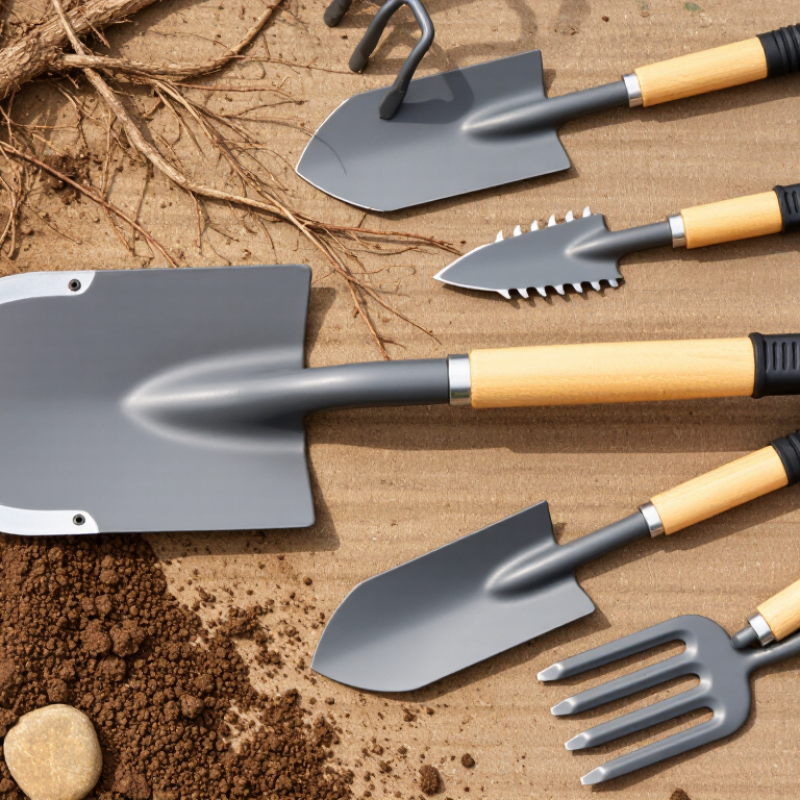
Understanding Hole Digger Shovel Types and Their Uses
Choosing a hole digger shovel starts with soil, not appearance. A post-hole digger uses two narrow blades for clean, deep holes. It suits fence posts and young trees. A clamshell digger removes loose soil quickly, but struggles in compacted clay. For roots or gravel, pair either tool with a digging bar. A long handle improves leverage, while fiberglass handles reduce splinter risks. Check the blade width, grip shape, hinge movement, and total weight before buying. Small details matter.
My own mistake was choosing a lightweight model for rocky ground. The handles flexed, and the narrow blades slipped sideways. Soil texture should guide the decision. USDA NRCS soil surveys classify texture by sand, silt, and clay, helping users anticipate resistance before digging. In practice, test a small section first. That saves effort. Always identify underground utilities before excavation. The Common Ground Alliance’s 2023 DIRT Report documented more than 200,000 reported utility-damage events, with excavation-related causes remaining a major concern. Ten practical checks help: match blade shape, measure depth, inspect steel thickness, test hinge alignment, examine handle length, assess grip comfort, check tool weight, consider drainage needs, confirm replacement-part access, and review safe-use guidance. I sometimes overlook grip comfort. That is a poor habit. A shovel that feels balanced at shoulder height may become exhausting after thirty holes. Use controlled pressure, keep both feet stable, and stop when the tool bends or the hinge binds.
Tool selection depends on soil, hole size, depth, and working space. Pointed digging shovels are versatile for general excavation, drain spades suit narrow holes, post-hole diggers work well in loose to moderately firm soil, clamshell diggers remove soil efficiently from deep holes, and manual augers create consistent round holes with less widening.
The ratings use a practical 1–5 suitability scale based on common hand-tool applications: 1 = limited suitability and 5 = highly suitable. Actual performance varies with soil conditions and tool size.
Soil determines how a hole digger shovel will perform. I check the ground after light rain, not during heavy mud. Moist soil reveals texture without sticking excessively to the blade. Sandy soil falls apart easily, so a narrow, pointed blade improves control. Clay needs a strong edge and a sturdy handle. Rocky ground demands careful probing before forceful digging.
Tip: Test a small patch first. Push the blade several inches into the soil. Notice resistance, roots, stones, and moisture. This simple test prevents choosing a tool that feels powerful but works poorly. A long-handled shovel can provide leverage, while a shorter handle offers better control in tight spaces.
Different soil layers may require different tools. Topsoil can seem soft, but compacted subsoil may begin below it. I once selected a lightweight shovel for apparently easy ground, then struck dense clay beneath the surface. The handle flexed, and my digging became inefficient. That mistake reminded me to inspect depth, not just the surface.
Tip: Match the blade to the task. Choose a pointed blade for compacted soil and a narrower digging tool for post holes. For rocky ground, remove larger stones gradually instead of twisting the shovel aggressively. Check the handle, grip, and blade connection before work. Small defects can become serious problems under pressure.
Choosing a hole digger shovel begins with the blade shape. A pointed blade enters compacted soil with less downward force. It works well around roots, gravel, and dry ground. A rounded blade moves loose soil efficiently but may slide across hard surfaces. Square blades create cleaner edges for garden beds and drainage work. Serrated edges can cut small roots, though they may snag in fibrous soil.
Material changes both durability and digging feel. Heat-treated carbon steel usually resists bending under heavy pressure. Stainless steel handles moisture better, but some thinner blades flex too easily. Aluminum is light and useful for repeated digging. However, it can dent against stones. Check the blade thickness, welds, and connection socket before buying. A polished surface releases damp clay more easily. I once valued a sharp edge too highly. The thin blade cut quickly, then warped after several rocky holes.
Performance depends on matching the shovel to the soil. Test the tool with short pushes instead of forcing the handle. A balanced blade should enter cleanly and lift soil without twisting your wrists. Compare the hole width with the blade’s actual cutting profile. Handles with firm grips improve control, especially during wet work. A longer handle adds leverage, but it may feel awkward in narrow spaces. For frequent use, inspect the edge after every session and remove soil before storage. Small defects matter. A slightly loose socket can become a serious weakness.
Choosing a hole digger shovel starts with handle length, not appearance. A handle around shoulder height often provides useful leverage without forcing awkward bending. Taller users may need extra length, while shorter users usually gain better control from a compact tool. Stand naturally and hold the tool upright. Your hands should not crowd your knees.
I have used long-handled diggers in hard soil, and they reduced bending during repeated work. They also felt clumsy in narrow planting areas. Handle flexibility matters too. A little resilience can soften vibration, but excessive movement wastes force. Check the grip carefully. A textured, rounded grip helps prevent slipping when gloves become damp. It should feel secure without creating pressure points in your palm. Try several hand positions before choosing.
Overall weight affects endurance more than many buyers expect. A heavier shovel may penetrate firm ground well, yet it can exhaust your shoulders after several holes. A lighter model improves control, though it may require more downward effort. Balance is often more important than the number on a scale. Hold the shovel at waist height and notice whether the head pulls your wrist forward. My early choice was too heavy, and I confused solid construction with better performance. That assumption deserved more thought. Consider your soil, hole depth, body strength, and typical work time before deciding.
| Tip | Selection Dimension | Practical Specification or Range | Why It Matters | What to Check Before Buying |
|---|---|---|---|---|
| 1 | Choose the correct tool type | Manual post-hole digger for narrow, deep holes; digging shovel for loosening soil and enlarging openings. | Scissor-style post-hole diggers remove compact plugs efficiently, while a shovel is better for moving loose soil. | Match the tool to the hole diameter, depth, soil condition, and number of holes required. |
| 2 | Handle length | 1.2–1.8 m (4–6 ft) for many full-size digging shovels; shorter handles improve control in confined spaces. | A longer handle can increase leverage and reduce bending, but it may be harder to control in dense soil or tight areas. | Stand the tool upright and check that the grip reaches approximately from the ground to your upper chest or shoulder area. |
| 3 | Overall tool weight | About 1.5–3.0 kg (3.3–6.6 lb) is a practical range for many manual digging tools. | A lighter tool reduces fatigue during repeated work, while a moderately heavier head can help penetrate firm ground. | Balance the tool in one hand and simulate a lifting motion; avoid a model that feels head-heavy or difficult to recover. |
| 4 | Blade or jaw material | Look for hardened or heat-treated steel with a corrosion-resistant finish. | Steel provides the strength needed for compact soil, roots, and repeated impact better than lightweight plastic components. | Inspect the cutting edges, hinge area, and connection points for solid construction and even finishing. |
| 5 | Blade or jaw width | Approximately 150–230 mm (6–9 in) for many manual post-hole digging applications. | A narrower opening is easier to push into hard ground and is suitable for posts; a wider opening removes more soil per cycle. | Choose a width that leaves enough clearance around the post without creating an unnecessarily oversized hole. |
| 6 | Grip shape and size | A rounded, textured grip that fits comfortably in the palm; approximately 25–35 mm (1–1.4 in) diameter is suitable for many users. | A secure grip improves control and helps prevent hand slippage when the handle becomes wet or dirty. | Wear the gloves you normally use and confirm that the grip is comfortable without pressure points. |
| 7 | Grip material | Textured rubber, elastomer, or coated grips generally provide better wet-weather traction than smooth bare metal. | Improved friction can reduce the force needed to hold and reposition the tool during repetitive digging. | Check that the grip is firmly attached, does not rotate freely, and has no sharp seams or exposed fasteners. |
| 8 | Handle material | Fiberglass is weather-resistant; hardwood can provide a comfortable feel; steel offers high durability but may add weight. | Material affects weight, vibration, durability, and maintenance requirements. | Look for a straight handle, no cracks or splits, and a secure connection between the shaft and digging head. |
| 9 | Balance and leverage | The tool should feel balanced near the working end without excessive head movement. | Good balance makes it easier to align the jaws or blade and reduces wrist strain during repeated cycles. | Hold the tool at the normal operating point and perform several slow opening, closing, or lifting movements. |
| 10 | Soil and working conditions | For rocky, clay-heavy, or root-filled ground, select a robust steel head and consider a separate digging bar for loosening obstructions. | Using the hole digger as a pry bar can bend the handles, damage the hinge, or reduce tool life. | Confirm that the tool is intended for digging only, and plan to stop when large rocks, buried utilities, or major roots are encountered. |
A dependable hole digger shovel should survive hard soil, roots, and repeated lifting. In routine garden and fence-post work, I check the blade before judging the handle. Thick steel, a clean edge, and reinforced joints usually indicate better durability. The blade should not twist when you apply steady pressure. The handle needs a firm grip, comfortable length, and no visible cracks. A loose connection is a warning sign. Check it carefully.
Maintenance affects service life more than many buyers expect. After digging, remove soil with a stiff brush and rinse away clay from the hinge or socket. Dry every metal surface before storage, especially after wet work. A thin protective coating can reduce surface rust, but excess oil may attract dust. Sharpen the cutting edge when it begins sliding over roots. I learned this late. I once stored a damp tool and found rust around the joint weeks later. Small neglect becomes expensive.
Purchase value means more than the lowest price. Compare blade thickness, handle construction, repair options, and warranty terms. A cheaper shovel may cost more if its socket loosens after several uses. However, higher price does not guarantee better performance. Read detailed user feedback and look for comments about real soil conditions. Consider replacement parts and storage needs too. My own mistake was paying for extra features I rarely used. A simpler tool would have served the job better.
A pointed blade enters hard soil with less downward force. It also handles gravel and small roots. Use short pushes. Do not force the handle.
A rounded blade moves loose soil quickly from wider holes. It may slide across dry, compacted ground. That limitation matters.
Square blades create clean edges for garden beds and drainage work. Serrated edges can cut small roots. They may snag in fibrous soil.
Heat-treated carbon steel usually resists bending under heavy pressure. Stainless steel handles moisture better. Aluminum reduces weight but can dent against stones.
Check blade thickness, welds, and the connection socket. Apply steady pressure and watch for twisting. A loose socket is a serious warning.
A handle near shoulder height often provides useful leverage. Taller users may prefer extra length. Shorter users usually control compact tools better.
Choose a textured, rounded grip that stays secure with damp gloves. Avoid pressure points in your palm. Try different hand positions.
Extra weight may penetrate firm soil, but it can exhaust your shoulders. A lighter shovel improves control but may need more effort. Balance matters more than weight alone.
Brush away soil after every session. Rinse clay from the socket or hinge. Dry all metal surfaces before storage. Small neglect becomes expensive.
Compare blade thickness, handle construction, repair options, and warranty terms. Read feedback from people working in similar soil. A higher price can still disappoint.
Choosing the right Hole Digger Shovel starts with understanding the different types available and matching them to the job, whether you need to create narrow planting holes, break through compact ground, or handle lighter garden soil. Before buying, assess the soil conditions, including moisture, hardness, stones, and roots, because these factors strongly affect digging performance. Consider blade shape and material carefully: pointed or narrow blades can improve penetration, while wider blades may remove more soil with each movement. Strong, corrosion-resistant materials can also provide better long-term reliability.
Handle length, grip comfort, and total weight are equally important. A longer handle may offer greater leverage, while a shorter one can provide better control in tight spaces. Choose a comfortable grip and a weight you can use without excessive fatigue. Finally, examine construction quality, maintenance requirements, and overall value. A durable shovel that is easy to clean, sharpen, and store can deliver better performance and reduce replacement costs over time.

Jinyuan