Choosing the right Shovels And Spades has become a practical purchasing decision, not a simple hardware choice. Global buyers now compare blade shape, steel grade, handle geometry, grip comfort, packaging, and replacement support. Grand View Research identifies continuing growth in the global gardening equipment market, supported by household gardening, landscaping services, and professional grounds maintenance. Mordor Intelligence also reports stronger demand for durable, ergonomic outdoor tools. These findings suggest a clear direction for 2026: buyers want longer service life, easier handling, and measurable value.
The difference is visible in the soil. A pointed digging spade enters compact clay, while a wide square shovel moves loose compost quickly. A drain spade reaches narrow trenches, and a transfer shovel handles gravel with less spilling. Liberty Hyde Bailey, a respected American horticulturist, wrote, “A garden requires patient labor and attention.” His observation still matters because tool selection affects both effort and results.
Yet market descriptions can be too confident. “Heavy-duty” does not always mean comfortable, and stainless steel does not solve every durability problem. Buyers should examine welds, shaft alignment, blade thickness, and independent user feedback. Regional soil conditions also change the answer. A lightweight aluminum shovel may suit garden beds, but it can disappoint on rocky construction sites. This guide reviews the top Shovels And Spades types for global buyers in 2026, connecting reported market trends with real handling needs. It also recognizes an uncomfortable point: the cheapest tool may cost more after repeated replacement.
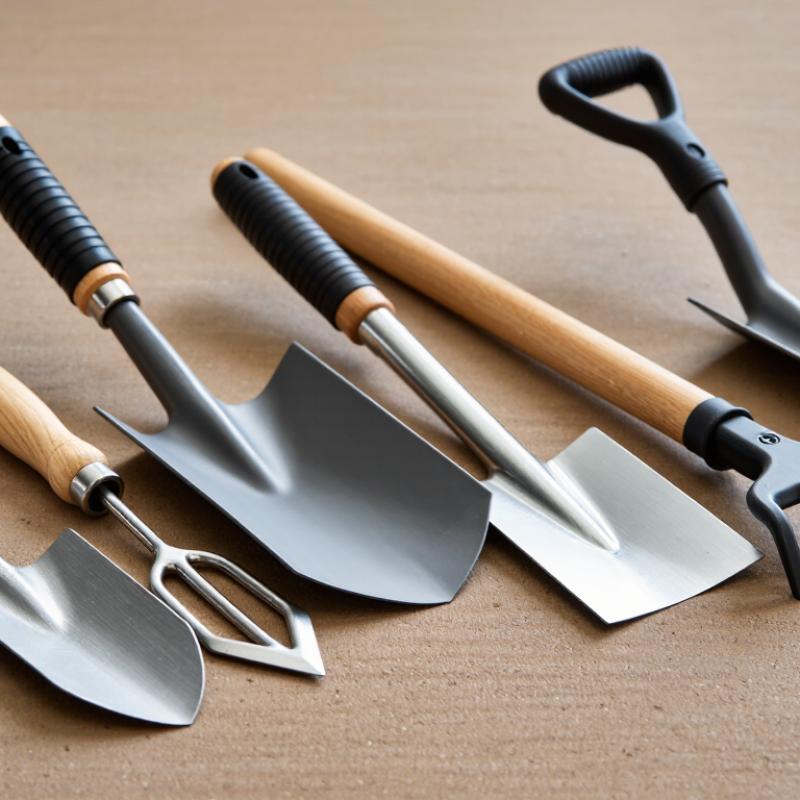
A shovel usually has a curved blade, angled shaft, and raised sides. It lifts loose soil, sand, compost, gravel, or snow. A round-point shovel penetrates compacted ground more easily. A scoop shovel moves larger volumes, but performs poorly in hard soil. A spade normally has a flatter blade and straighter edge. It cuts roots, opens narrow trenches, and creates clean borders. Its shorter step area improves control during edging work. The distinction is useful, although many markets use both words loosely.
FAOSTAT data for 2022 records about 4.8 billion hectares of agricultural land worldwide. That scale explains continuing demand for durable hand tools. Yet tool choice depends more on soil and task than land size. A sharp garden spade suits clay trimming and transplanting. A digging shovel works better for loose beds and mixed soil. In practical use, blade shape matters first. Handle length, grip comfort, socket strength, and weight matter next. A heavier tool is not automatically stronger. That assumption deserves more testing.
Tips: Match the blade to the material. Choose a narrow spade for trenches and a broad shovel for bulk movement. Check the blade angle before buying. A steep angle can strain the wrist during repeated lifting. Look for a secure handle connection and a comfortable grip. The International Labour Organization highlights ergonomic risks from repetitive manual work. Therefore, rotate tasks and avoid lifting overloaded blades. Measure the storage space too. A long handle may improve leverage, but it can become awkward in tight beds.
For global buyers, the main shovel types serve three practical jobs: digging, moving, and handling materials. A round-point digging shovel cuts through garden soil, clay, and loose gravel. Its curved blade helps penetrate compact ground with less scraping.
A narrow trenching shovel creates clean channels for cables, drainage, or irrigation. The smaller blade gives better control in confined spaces. A flat spade works well for edging beds and slicing through roots.
Square-point shovels are better for moving soil, sand, grain, and construction debris. Their broad, flat blades collect material efficiently from level surfaces. A scoop shovel usually has a deeper blade and a lighter build. It suits snow, mulch, wood chips, and other loose materials.
For lifting dense loads, buyers should inspect the blade thickness, shaft strength, and connection point. These details matter more than appearance.
I once chose a wide blade for compact clay. It looked efficient, but it stalled quickly. A narrower blade would have matched the soil better. This mistake still influences my purchasing checks.
Handle length, grip comfort, balance, and user height affect daily fatigue. Fiberglass handles resist moisture, while treated wood offers a familiar feel. Buyers should also check corrosion protection for humid regions. No shovel performs equally well everywhere. Soil texture, climate, material weight, and storage conditions must guide the final choice.
Specialized spades matter because soil, crops, and work conditions vary widely.
FAO reports that agriculture accounts for about 70% of global freshwater withdrawals. This places pressure on tools used for planting, drainage, and soil preparation.
A narrow garden spade suits transplanting and flower beds. Its pointed blade enters compact soil with less disturbance.
A border spade offers better control around paths and small planting areas.
Landscaping crews often need edging spades, trenching shovels, and drain spades. These tools create cleaner lines and narrow channels. A square-blade shovel moves loose mulch, compost, and gravel efficiently. A round-point shovel performs better in mixed or hard ground.
According to the U.S. Bureau of Labor Statistics, grounds maintenance work involves repeated digging, lifting, and outdoor exposure. Therefore, balanced handles and secure grips deserve more attention than appearance alone.
Agricultural buyers may select long-handled spades for field preparation and deeper soil penetration.
Broad shovels help move manure, feed, or loose material.
Carbon steel offers strong impact resistance, while stainless steel improves corrosion resistance in wet environments. However, no blade suits every soil.
Product charts often oversimplify this issue. Clay can defeat a polished edge, while sandy soil may reduce the need for a heavy blade.
Buyers should compare blade shape, shaft length, grip design, soil type, and local repair access before purchasing. Field trials remain valuable.
Choosing the right shovel or spade starts with the work, not the catalog photo. A pointed shovel suits compact soil, gravel, and root cutting. A flat spade creates clean edges in beds or trenches. For snow, grain, or loose mulch, a wider scoop moves more material with less effort. In field trials, blade shape changed productivity more than expected.
Material also matters. Hardened steel handles abrasion well, while aluminum reduces carrying weight. Fiberglass handles resist moisture, but their balance can feel unfamiliar. Check the shaft length against the user’s height and posture. A short tool may help in tight spaces, yet it can strain the back during repeated lifting. I once selected a strong blade with a poorly fitted grip. It lasted, but workers avoided using it. That mistake still influences purchasing reviews.
Tips: Match the blade to local soil and climate. Test handle comfort with gloves. Confirm packed dimensions before international shipping. Ask for corrosion protection when sea freight or humid storage is likely. Review load limits, repair options, and replacement-part availability. Buyers should also inspect edge thickness and weld quality before approving large orders. Small differences become expensive across thousands of units. Specifications can look complete, but real users may reveal problems that documents miss.
Global buyers should match shovel geometry to the work, not only the price. Digging spades need a rigid, narrow blade for compact soil. Transfer shovels suit grain, snow, and loose aggregates. Trenching models reduce soil disturbance. Fiberglass handles resist moisture, while hardwood offers natural shock absorption. However, wood quality varies between batches. Buyers should request grain inspection and moisture-control records.
Ergonomics deserves equal attention. A grip that is too short forces the back to bend repeatedly. The European Agency for Safety and Health at Work identifies musculoskeletal disorders as one of Europe’s most common work-related health problems. ISO 6385 supports designing tools around human capabilities and physical limits. Check handle length, grip diameter, shaft angle, and total weight with actual users. Small details matter. A comfortable grip may still slip with wet gloves.
Quality checks should combine documents and physical testing. Verify steel grade, blade thickness, weld penetration, coating adhesion, and edge hardness. EN 10025 can help buyers review structural steel specifications, but it does not certify a complete shovel. Ask for batch traceability, dimensional tolerances, and corrosion-test results. The U.S. Bureau of Labor Statistics continues to report sprains, strains, and tears among major injury categories involving days away from work. That supports practical load testing before shipment. Impact tests, repeated handle loading, and blade-bending checks reveal weaknesses. Some inspection plans remain too gentle; real soil is rarely cooperative.
Typical reference dimensions for common shovel and spade categories. Actual specifications vary by region, intended soil, handle design, and loading requirements.
A shovel usually has a curved blade and angled shaft. It lifts loose soil, compost, gravel, or snow. A spade has a flatter blade and straighter edge. It cuts roots and creates clean borders. The terms are often used loosely.
Choose a round-point shovel or a narrow digging spade. Its pointed blade enters hard ground more easily. A broad blade may stall in compact clay. I learned this the hard way.
Use one for narrow channels, drainage, irrigation, or cable routes. Its smaller blade offers better control in confined spaces. It also reduces unnecessary soil disturbance. Clean cuts matter here.
A square-point shovel suits soil, sand, grain, and level surfaces. A scoop shovel handles snow, mulch, and wood chips. Deeper blades carry more material. Heavy loads still require careful checking.
Fiberglass resists moisture and suits damp storage areas. Treated hardwood provides familiar handling and natural shock absorption. Wood quality can vary between batches. Inspect grain and moisture-control records when possible.
Check blade thickness, steel quality, welds, coating, and edge hardness. Inspect the shaft connection closely. Request batch records and dimensional details. Appearance alone proves little. Test before shipment.
Match handle length, grip size, shaft angle, and weight to the user. Avoid overloaded blades and rotate tasks. Wet gloves can make a comfortable grip slippery. Small details matter.
No. Strength depends on blade thickness, shaft construction, and connection quality. A heavy tool may increase fatigue without improving performance. This assumption needs more testing. Use practical load checks.
This guide explains the essential differences between Shovels And Spades, including their shapes, functions, and best uses. It introduces common shovel types for digging soil, moving bulk materials, loading, trenching, and general handling, while also covering specialized spades designed for gardening, landscaping, planting, edging, and agricultural tasks. Understanding blade shape, size, capacity, and handle design helps buyers match each tool to specific working conditions.
For global purchasing, the article outlines how to evaluate material strength, corrosion resistance, ergonomic comfort, grip design, shaft durability, and overall balance. It also highlights practical quality checks, such as blade thickness, secure connections, smooth finishes, consistent dimensions, packaging, and applicable safety or performance standards. By considering soil conditions, workload, user needs, climate, transport requirements, and expected service life, buyers can select reliable Shovels And Spades that provide efficient performance and long-term value.
Jinyuan